The battle for premium TV buyers has largely revolved around two technologies in recent years: OLED and Mini LED. OLED has earned a reputation for delivering exceptional contrast and viewing angles, while Mini LED has pushed brightness levels to new heights. The tradeoff has often been deciding which compromise makes more sense for your room and viewing habits.
Sony believes that conversation may be about to change. During a private media briefing in New York City, the company unveiled a new display technology called True RGB, which rethinks how a TV backlight works and aims to combine some of the biggest strengths of both OLED and Mini LED.
Sony says most TVs are designed for the wrong environment
One of the more interesting points Sony made during the briefing had little to do with specifications. According to the company, only 13% of viewers watch television in the kind of pitch black environment often used for product demonstrations, movie theaters, or professional color grading suites. The remaining 87% are watching in living rooms, family rooms, and spaces where lighting conditions constantly change.
Sony’s argument is that many premium displays still struggle to balance brightness, color accuracy, and contrast once they move outside ideal conditions. That is the problem the company says True RGB is designed to solve.
What makes True RGB different?
To understand why Sony believes this technology is important, it helps to look at how most premium TVs currently create color.
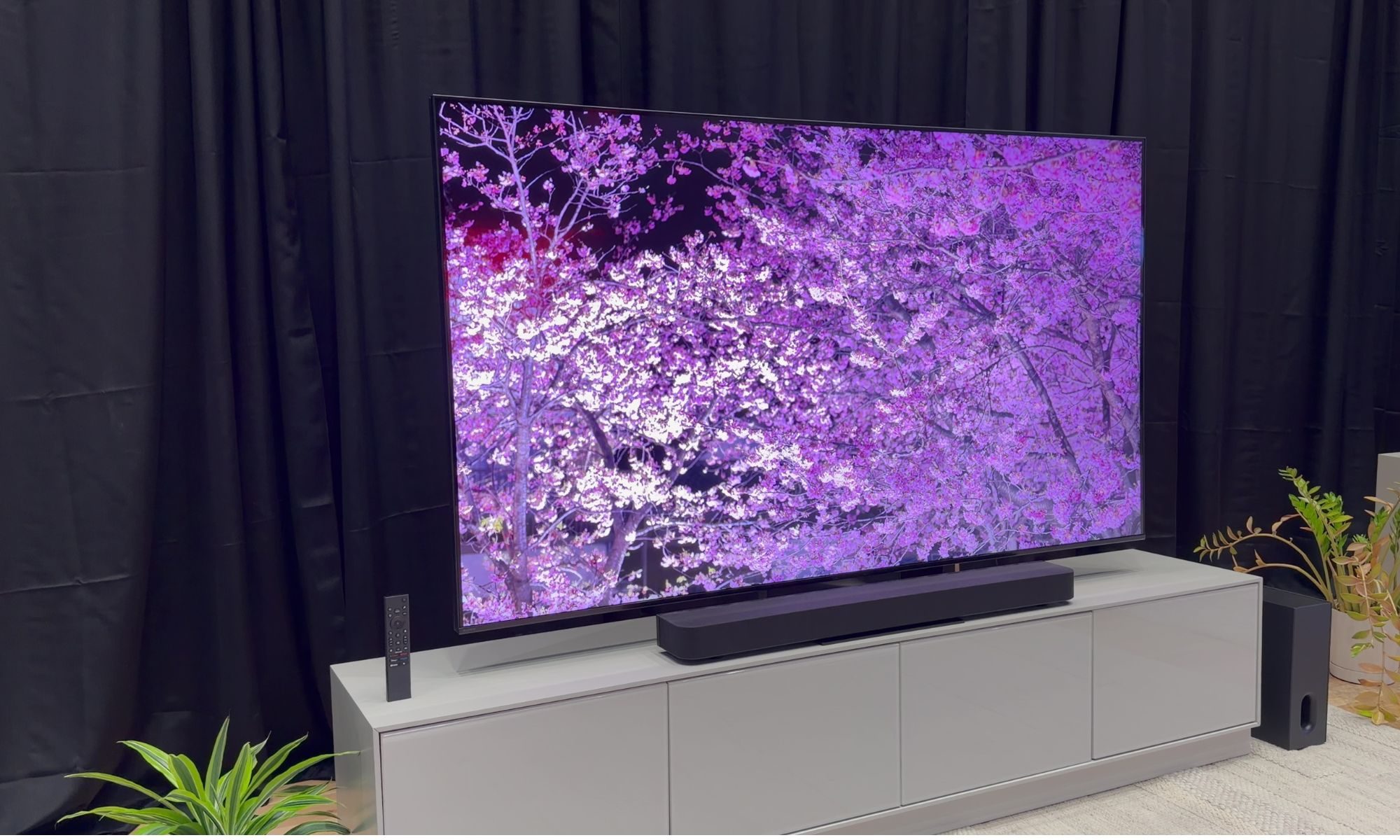
In a traditional Mini LED or QLED display, a blue or white light source works alongside quantum dots, phosphor layers, and LCD structures to create the colors that eventually appear on screen. In simple terms, much of the color creation process happens after the light leaves the backlight itself.
True RGB takes a different approach. Instead of relying on a single color light source that is later filtered, Sony uses independently controlled red, green, and blue diodes directly within the backlight system. That means the desired color is created at the light source before it even reaches the LCD layer.
To make this possible, Sony’s professional monitor engineers worked alongside the BRAVIA consumer team to develop a new RGB Backlight Master Drive. According to Sony, the updated driver architecture allows individual control of millions of microscopic red, green, and blue diodes in real time.
The biggest improvement may be color volume
Sony set up a series of side by side demonstrations comparing True RGB against competing flagship displays, including tests using both 100% and 90% raster windows. While several differences were highlighted, color volume stood out as one of the most significant.
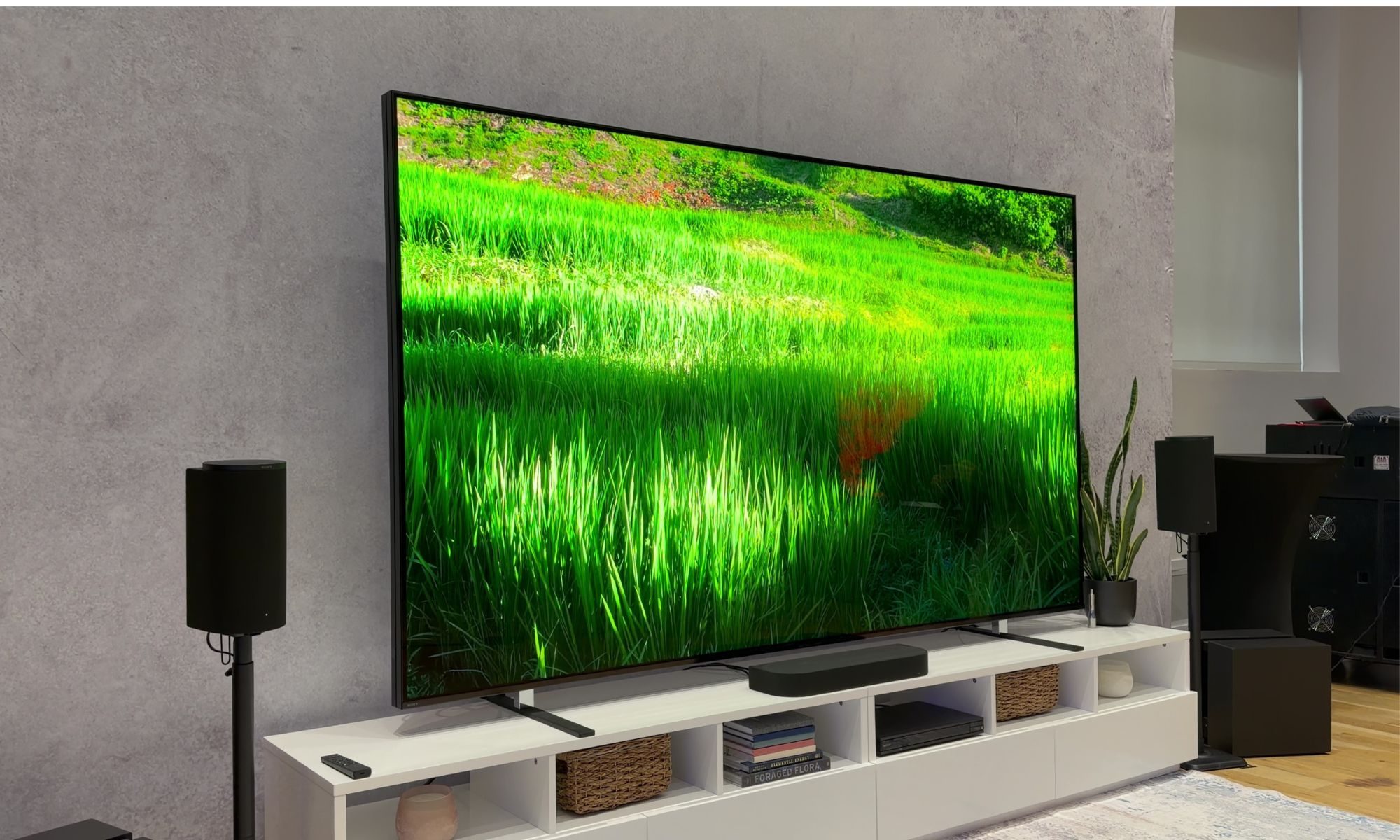
The key difference is that True RGB generates pure red, green, and blue light directly at the source rather than relying on a single backlight color that is later filtered through the display. Sony says this allows the system to produce significantly greater color expression while maintaining high brightness levels. According to the company, True RGB delivers twice the color volume of the BRAVIA 9 Mini LED and up to four times the color volume of the BRAVIA 8 OLED.
The result is a display that can become extremely bright while maintaining color saturation rather than washing colors out at higher brightness levels.
Viewing angles were another area Sony focused on
Viewing angles have traditionally been one of OLED’s biggest advantages. Mini LED displays can lose some color accuracy when viewed from the side because much of the color generation happens through the LCD structure.
Sony argues that True RGB helps address that issue because color is being created through both the LED layer and the LCD layer rather than relying on a single stage of the display pipeline. During the demonstrations, the company showed side by side comparisons where colors appeared more consistent when viewed from extreme angles.
Smooth gradation is designed to eliminate visible banding
The third major benefit Sony highlighted was gradation performance. Color banding can become noticeable in skies, sunsets, and other scenes with subtle color transitions, particularly on bright displays.
By combining its image processing technologies with independent control of the red, green, and blue backlight system, Sony says True RGB significantly reduces visible banding and creates smoother transitions between shades.
True RGB is coming to Sony’s flagship TVs first
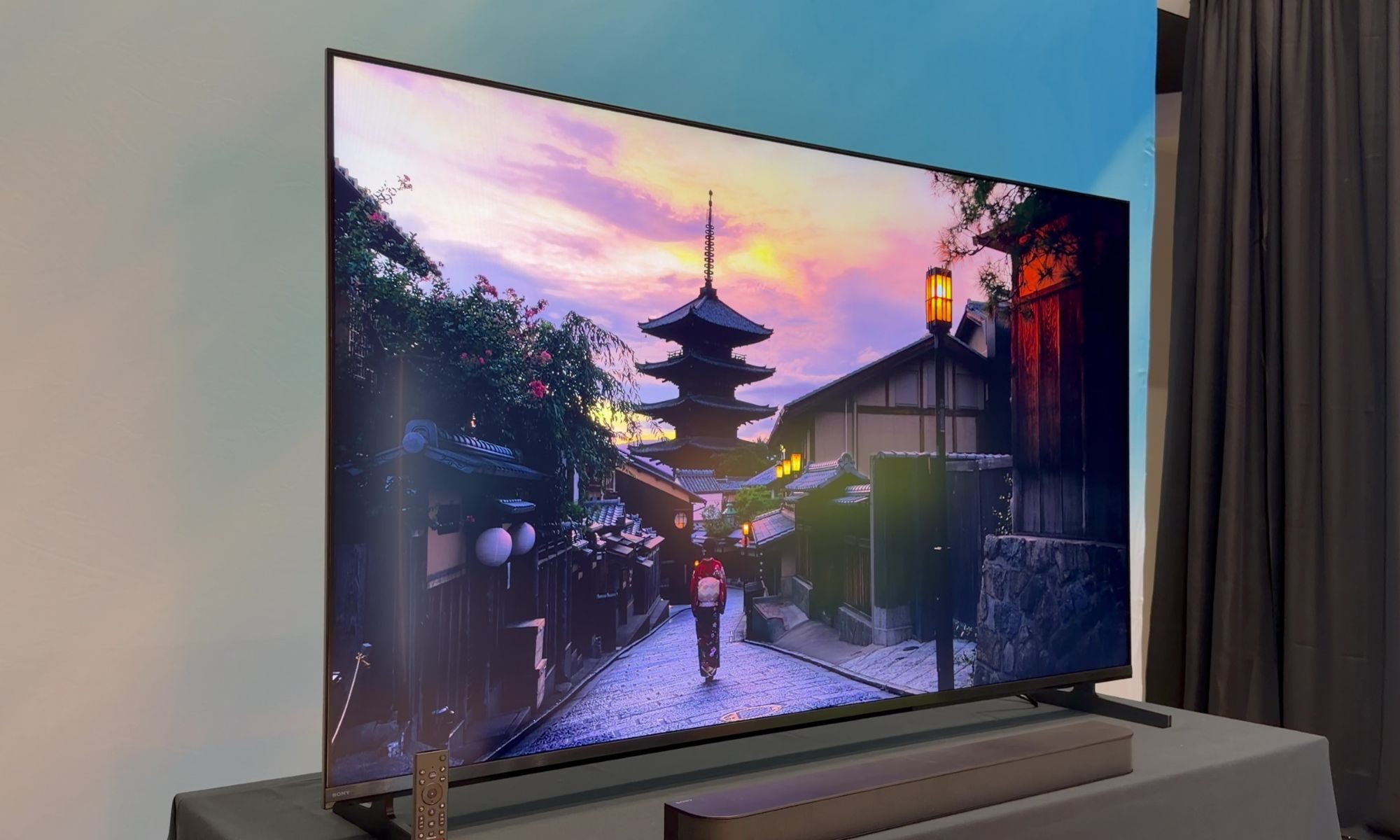
The first True RGB model will sit at the top of Sony’s lineup as the BRAVIA 9 II. The flagship model will be available in 65, 75, 85, and 115 inch sizes and will feature technologies including RGB Backlight Master Drive Pro and Luminance Booster Pro. Sony says the TV is engineered to match the creative intent and brightness performance of its professional BVM studio monitors.
The technology will not be limited to the flagship tier. Sony also announced the BRAVIA 7 II, which brings True RGB to a broader range of screen sizes spanning from 50 inches to 98 inches. Below those models will sit the company’s OLED lineup, led by the BRAVIA 8 II and the standard BRAVIA 8.
Sony is also tackling reflections
Alongside True RGB, Sony introduced an optional premium anti glare technology called Immersive Black Screen Pro for the BRAVIA 9 II. The company says the patent pending nanostructure layer is designed to absorb reflections while maintaining deep black levels, even in brightly lit rooms.
That focus on real world viewing conditions ties back to the broader argument Sony made throughout the briefing. Rather than optimizing displays solely for ideal environments, the company is positioning True RGB as a technology built around the way most people actually watch television at home.
After seeing the demonstrations firsthand, it is easy to understand why Sony believes True RGB could become the next major step in premium display technology. Whether it ultimately lives up to that promise will have to wait for final retail units, but Sony is clearly betting that the future of TV performance lies somewhere between what OLED and Mini LED currently offer.