During the pandemic, the US Consumer Product Safety Commission recorded a 48% spike in at-home exercise injuries. You might think that the culprit was bad equipment, but it was bad form. People had no coach around to correct it.
Researchers at Drexel University and Michigan State University have built a prototype that addresses exactly that problem, in real time, using your phone camera, and there’s real potential for it to become a legitimate fitness app in future (via Tech Xplore).
What is the system called and how does it work?
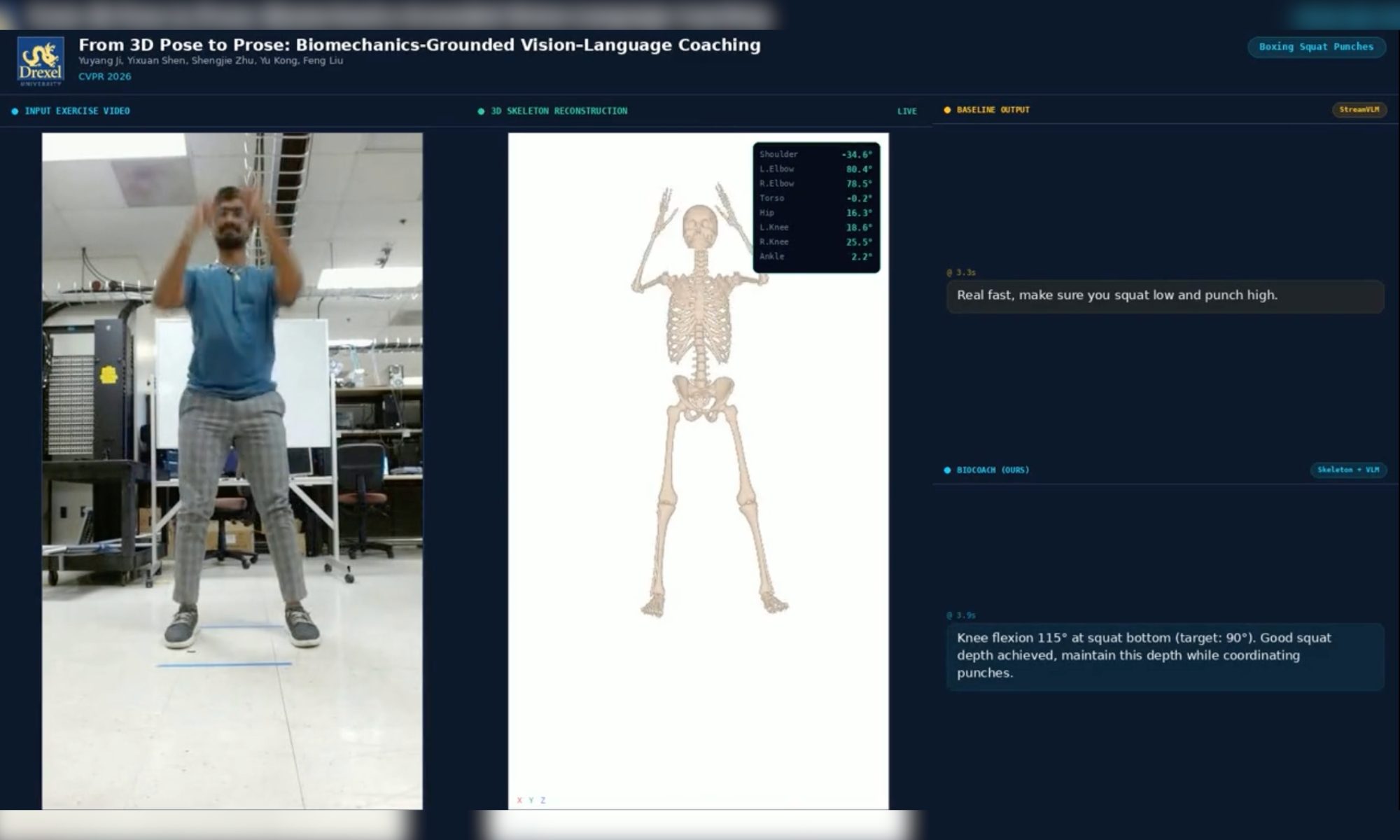
The system, called BioCoach, was presented at the Conference on Computer Vision and Pattern Recognition in June 2026. It uses AI and live video (via a camera) to watch you exercise, analyze your body mechanics, and deliver specific, biomechanics-based corrections.
To do this, the system processes video through two parallel streams: first uses a 3D convolutional neural network to capture your visual appearance and body movement patterns, while the second reconstructs your skeleton in three dimensions, analyzing your joint angles, range of motion, and the phase of the movement you’re in.
Before offering you feedback, BioCoach identifies which joints are most involved in the exercise you’re performing. For instance, if you’re performing push ups, it will specifically monitor your shoulders, elbows, and wrists, offering personalized corrections.
And I’m not talking about the generic “keep your back straight” comments that most fitness apps offer. The prototype goes above and beyond, offering anatomically precise guidance like “increase elbow flexion to 90 degrees at the bottom.”
How did it perform against the competition?
The research team has trained BioCoach on Qualcomm’s Exercise Video Dataset, with over 200 re-annotated videos and over 2,400 new notes, to teach BioCoach to explain not just what to fix, but why it matters.
BioCoach has already been tested against similar programs from Nvidia, ByteDance, Alibaba, Salesforce, OpenAI, and MIT, among others. It outperformed Stream-VLM, which is a program from MIT and Nvidia, on text quality and judged correctness. It showed improvements in anatomy-specific feedback accuracy as well.
For now, the system is still a prototype, but the team is working on adding the ability to estimate joint reaction forces and muscle activation patterns, all from a video feed.
The research was supported by the National Science Foundation, and this is why I strongly believe that BioCoach could be developed in a revolutionary smartphone app, which offers personalized corrective measures and encourages the right form and posture, preventing painful injuries and sustainable workout programs for people, which works both indoors and outdoors.
BioCoach is more advanced than most AI-based fitness coaches available
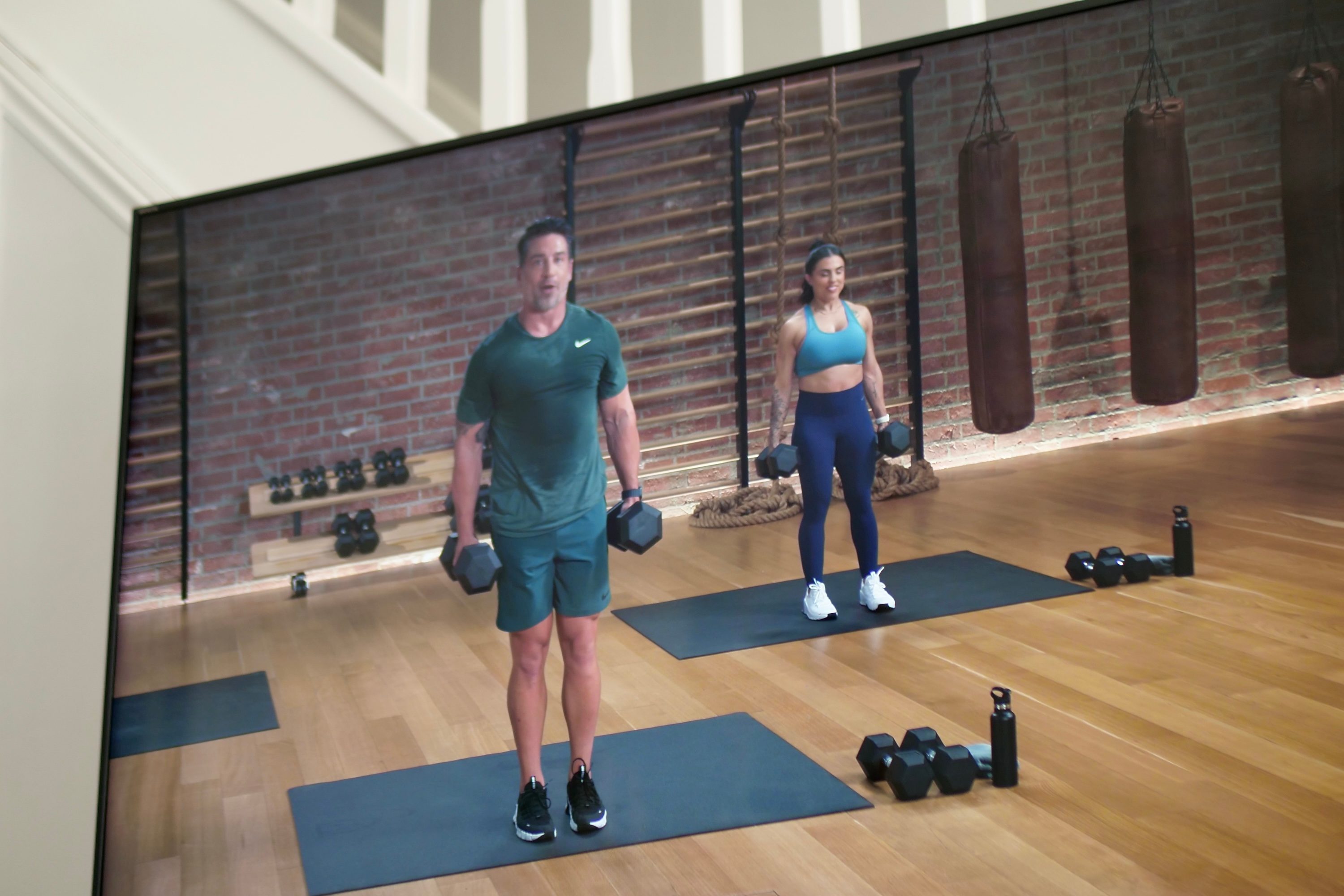
To give you some context, both Apple Fitness+ and Mirror offer video-based workout programs, but the feedback is pre-recorded and not dynamic like what BioCoach offers.
Peloton’s hardware offers a Movement-Tracking Camera that counts reps and flags issues, but it requires dedicated equipment like Bike+, Tread+, or Row+, and doesn’t explain the reasoning behind the form corrections and how they can benefit you.
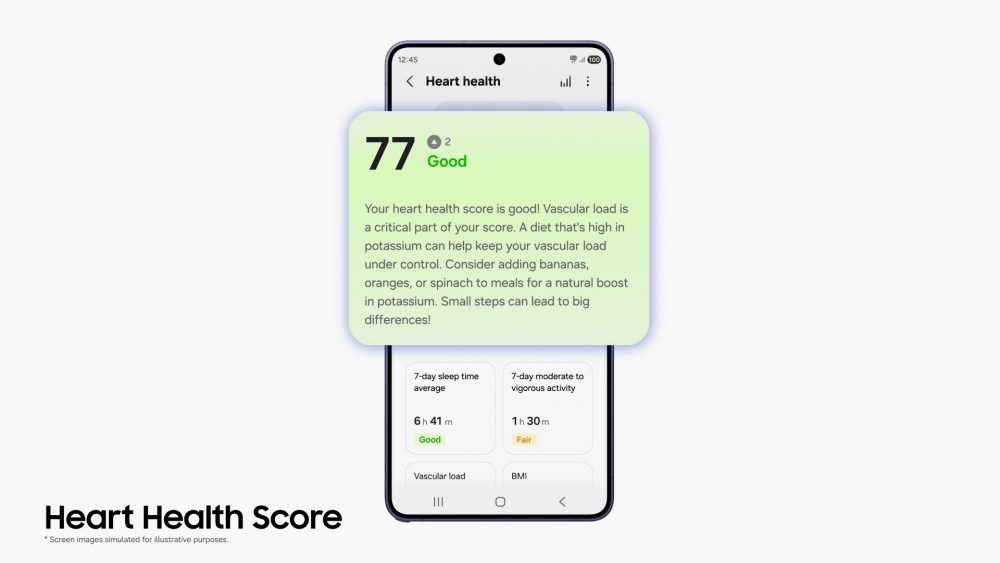
Similarly, Google’s Health Coach and Samsung Health analyze biometric signals like heart rate and activity cadence to suggest certain improvements, but they can’t see you moving, and therefore, don’t provide any guidance for your form.
BioCoach, in contrast, is the first system to combine 3D skeletal reconstruction with a language model that explains the mechanical consequence of each correction. If it ever reaches your phone as a consumer app, which I truly hope it does, it could make genuinely expert coaching accessible to anyone with a camera.