
No no no, we are not sad. *slumps in the corner crying*
Microsoft is officially shutting down Collections, one of the more unique productivity features inside the Edge browser, and many users believe the move reflects the company’s growing obsession with AI-first experiences.
According to Microsoft’s support documentation, Collections in Edge is being discontinued beginning June 2026. The feature allowed users to save groups of webpages, images, notes, shopping links, and research material into organized visual boards directly inside the browser. For students, researchers, online shoppers, and multitaskers, Collections became one of Edge’s most practical hidden tools – and one of the few browser features that genuinely stood apart from Chrome and Safari.
Collections first launched as a productivity-focused tool that blended bookmarking, note-taking, and visual organization into a single interface. Unlike traditional bookmarks, users could drag webpages, screenshots, text snippets, and images into categorized boards that synced across devices. It became especially popular for planning trips, organizing research projects, comparing products, and saving inspiration from across the web.
Now, Microsoft appears ready to move on.
Edge is increasingly becoming an AI-first browser
The removal of Collections arrives as Microsoft aggressively transforms Edge into a platform centered around Copilot and generative AI features. Over the past two years, the company has integrated AI-powered assistants into nearly every part of Edge, from sidebar chat tools and webpage summarization to writing assistance and contextual search.
Critics argue that Collections represented a genuinely useful feature focused on human productivity rather than AI automation. Unlike some newer AI additions that users may ignore entirely, Collections solved a simple but common problem: organizing information gathered across the web without relying on third-party apps like Notion, Pinterest, or Pocket.
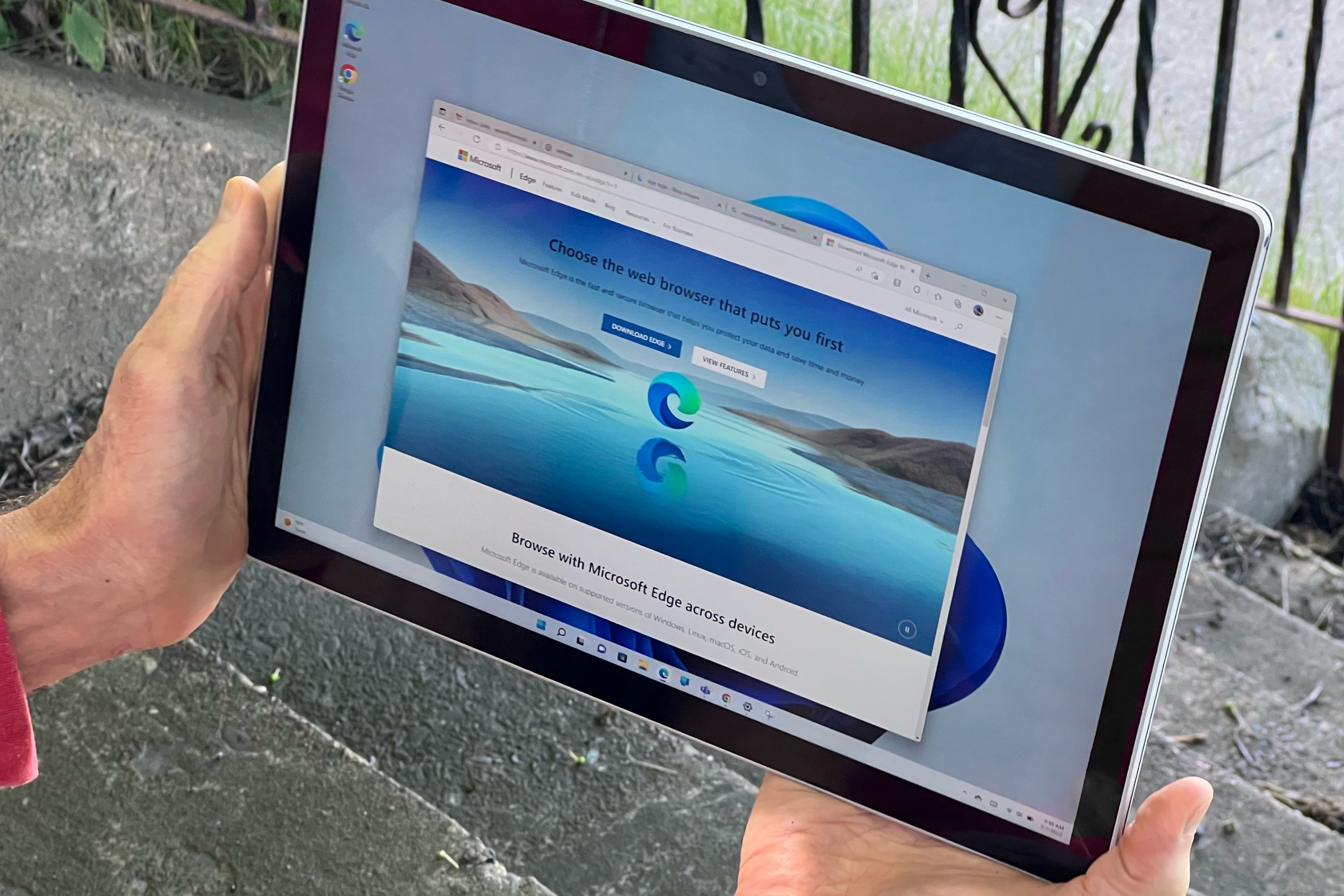
We at Digital Trends previously described the feature as one of the browser’s best hidden tools, particularly because it offered a more visual and intuitive alternative to cluttered bookmark folders. Users could quickly collect shopping comparisons, project research, recipes, or reading material into organized workspaces without leaving the browser.
Microsoft has not directly stated that AI features are replacing Collections, but the timing has fueled criticism that practical browser tools are increasingly being sacrificed to make room for AI-centric experiences and interface redesigns.
The broader concern extends beyond Edge itself. Across the tech industry, companies are rapidly reshaping products around generative AI, sometimes at the expense of smaller features users genuinely rely on every day.
Edge users may lose one of the browser’s most practical tools
For longtime Edge users, the shutdown represents the loss of one of the browser’s clearest identity features. While Chrome dominates browser market share, Edge often differentiates itself through smaller quality-of-life tools like vertical tabs, sleeping tabs, and Collections.
The removal could particularly frustrate users who built workflows around the feature for productivity, shopping research, or creative organization. Microsoft has not yet introduced a direct replacement that replicates the same visual organizational experience.

At the same time, the decision signals how seriously Microsoft is prioritizing AI integration across Windows and Edge. The company increasingly sees Copilot as the centerpiece of its software ecosystem, and browser development now appears heavily focused on AI-assisted experiences rather than traditional productivity utilities.
For some users, that future may sound exciting. For others, it may feel like another example of useful software features quietly disappearing in favor of AI tools they never asked for.