1. Home
  2. Wearables
  3. News

Meta is testing smart glass facial recognition tech that’s also used by police and military: Report

Meta secretly tested military-grade face recognition software on its Ray-Ban smart glasses app

Add as a preferred source on Google
Meta Glasses
Meta

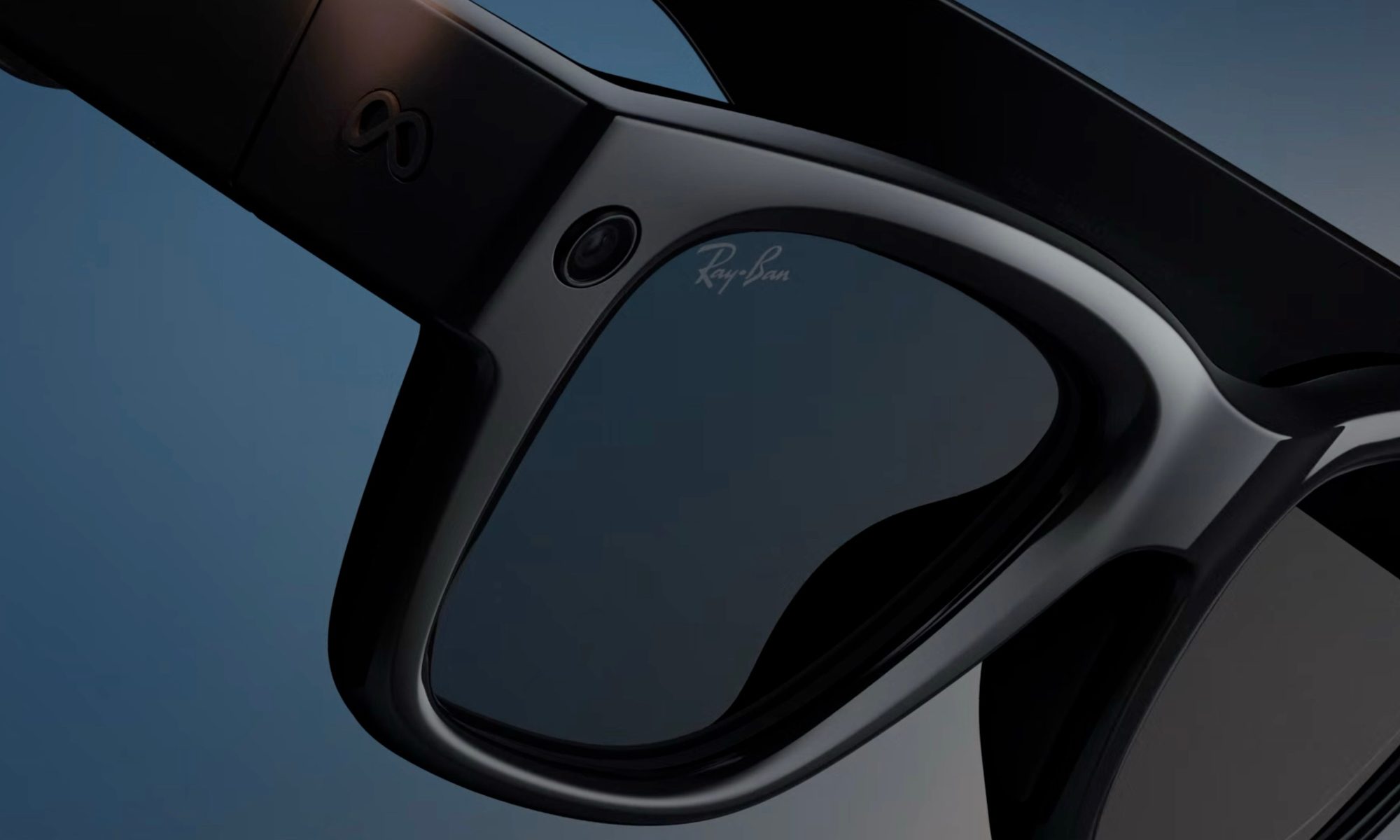
Meta seemed to be quietly testing face recognition software for its Ray-Ban and Oakley smart glasses. A new WIRED investigation reveals that the company licensed it from Rank One Computing, a Denver-based firm that earns roughly 80% of its revenue from government clients, including the US military and police departments nationwide.

This is the first known evidence of a business relationship between Meta and Rank One, and it raises serious questions about where consumer technology ends and surveillance infrastructure begins.
So what exactly is Rank One Computing?

Rank One is not your average tech company. It supplies face recognition to the US Marshals Service, the Naval Criminal Investigative Service, and the US Special Operations Command, which funded research that can reportedly identify a face from up to one kilometer away.

Recommended Videos

Its CEO previously ran the FBI’s biometric database division, and its board includes former CIA, FBI, and Pentagon officials. The company went public on the Nasdaq in February 2026.

What was Meta actually building inside its smart glasses app?

The license Meta acquired covered Rank One’s face recognition software, along with liveness detection, a tool that checks whether a camera is looking at a real person instead of a photo. It supported up to 10 million facial templates.

WIRED found remnants of Rank One’s code sitting dormant inside a version of Meta’s AI app that shipped to more than 50 million phones this month. Meta also built its own internal face recognition system, called NameTag, into the same app. However, none of it was ever active for users.

Meta deleted both systems, one day after the news broke, and denied using facial scanning. The company also declined to say why it licensed the software or whether the arrangement is still ongoing. There are currently almost no national rules in the US governing face recognition, making the legal landscape murky around what Meta was testing.

Manisha Priyadarshini
Manisha Priyadarshini is a tech and entertainment writer with over nine years of editorial experience.
Samsung’s next Ultra watch may be getting a massive battery glow-up
A 35% bigger battery and new chip could give the Galaxy Watch Ultra 2 a massive endurance boost
The Night mode watch face on the Samsung Galaxy Watch Ultra.

Samsung’s next Galaxy Watch Ultra could bring the battery upgrade many users have been waiting for. The Galaxy Watch Ultra 2 is expected to launch in the coming weeks, and a new report suggests it may arrive with a much larger battery than the 2024 and 2025 models.

According to SamMobile, the Galaxy Watch Ultra 2 will use a battery with a rated capacity of 784mAh. Samsung could market this as an 800mAh typical capacity, which would make it around 35% larger than the 590mAh battery used in the current Galaxy Watch Ultra models.

Read more
Wear OS 7 looks ready to land on Pixel Watchs soon
Verizon support pages point to an upcoming Wear OS 7 Pixel Watch update
Google Pixel Watch 4 in black in the hand

Google may be preparing to roll out Wear OS 7 to Pixel Watch users sooner than expected. Verizon’s official support pages for the Pixel Watch 2, Pixel Watch 3, and Pixel Watch 4 have been updated with references to the next major Wear OS update, suggesting the release could be close.

The pages, first spotted by Droid-Life, list Wear OS 7 alongside the June 2026 security patch and software version CP2A.260603.001. Verizon’s changelog also mentions performance and stability improvements, which is standard language for these kinds of carrier support pages.

Read more
Meta’s creepy smart glasses just found their best use case yet
Meta Ray Bans Display close up shot

For months, the conversation around Meta’s Ray-Ban smart glasses has swung between fascination and suspicion. Are they the future of wearable computing, or just another gadget raising uncomfortable questions about privacy? This week, the glasses found themselves at the center of a very different story.

The most meaningful upgrade yet for Meta's smart glasses

Read more