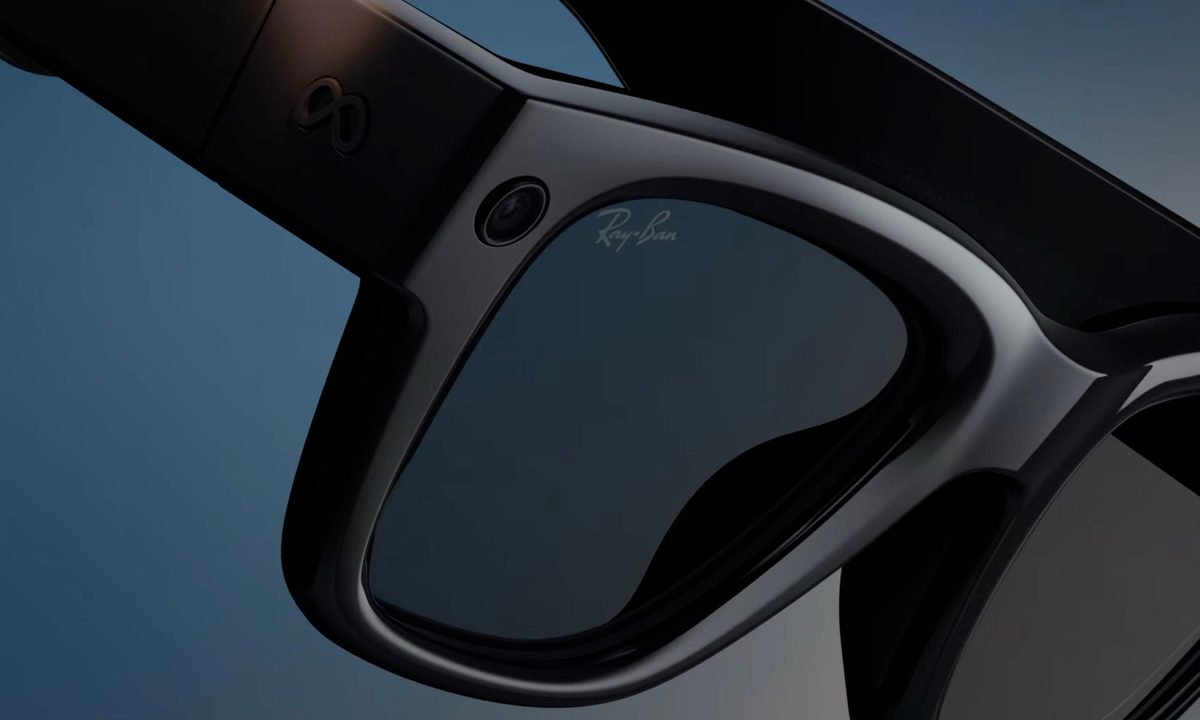
For months, the conversation around Meta’s Ray-Ban smart glasses has swung between fascination and suspicion. Are they the future of wearable computing, or just another gadget raising uncomfortable questions about privacy? This week, the glasses found themselves at the center of a very different story.
The most meaningful upgrade yet for Meta’s smart glasses
Meta is partnering with the Blinded Veterans Association (BVA) and nonprofit technology group TechSoup to make Ray-Ban Meta smart glasses available to more than 130,000 legally blind veterans across the United States. The glasses are being positioned as an accessibility tool that could help users navigate daily life with greater independence.

Eligible veterans can apply through the BVA to receive a pair, while veteran organizations can work with TechSoup to support broader distribution efforts. The initiative goes beyond simply handing out hardware. Veterans receiving the glasses will also have access to training resources specifically designed for blind and low-vision users. That includes monthly webinars, in-person support events, and a dedicated training guide that teaches users how to activate voice commands, identify objects, read documents, answer calls, and manage everyday tasks using the glasses. This feels refreshingly practical at a time when AI products often seem desperate to justify their existence.
A timely reminder for AI’s better side
We also recently explored how Meta’s smart glasses were beginning to find meaningful applications beyond social media and content creation. For people with vision impairments, the built-in camera and AI assistant can effectively act as a digital companion, describing surroundings, reading text aloud, and helping with routine tasks that many people take for granted. The timing is notable, too.

Just days ago, Meta’s smart-glasses ambitions were making headlines for a very different reason. A WIRED investigation revealed that Meta had embedded dormant facial-recognition code, internally called “NameTag,” into its smart-glasses ecosystem before later removing it after public scrutiny. The discovery reignited concerns about surveillance and privacy in wearable devices.
That controversy isn’t disappearing anytime soon. But stories like this one offer a reminder that the same technology that sparks privacy fears can also deliver tangible benefits when applied to real-world problems. For thousands of blind veterans, the most important thing these AI glasses can do isn’t capture the world around them; it’s helping them navigate that world with greater independence.