1. Home
  2. Audio / Video
  3. Smart Home
  4. News

Google’s new $99 Home Speaker offers 360-degree audio and next-gen Gemini perks

However, its most advanced AI-based features are locked behind a monthly subscription.

Add as a preferred source on Google
Sphere, Electronics, Speaker
Google

After six years of waiting, Google has finally released a new smart speaker. The $99 Google Home Speaker is available for pre-order starting today and hits shelves on June 25, 2026. At the core of the speaker is Google’s conversational AI assistant: Gemini.

With Gemini, you can now hold natural, multi-step conversations with the speaker rather than issuing individual commands. It understands natural phrasing and logic, so you can speak more naturally without phrasing everything like a voice command.
What does the Google Home Speaker actually sound like?

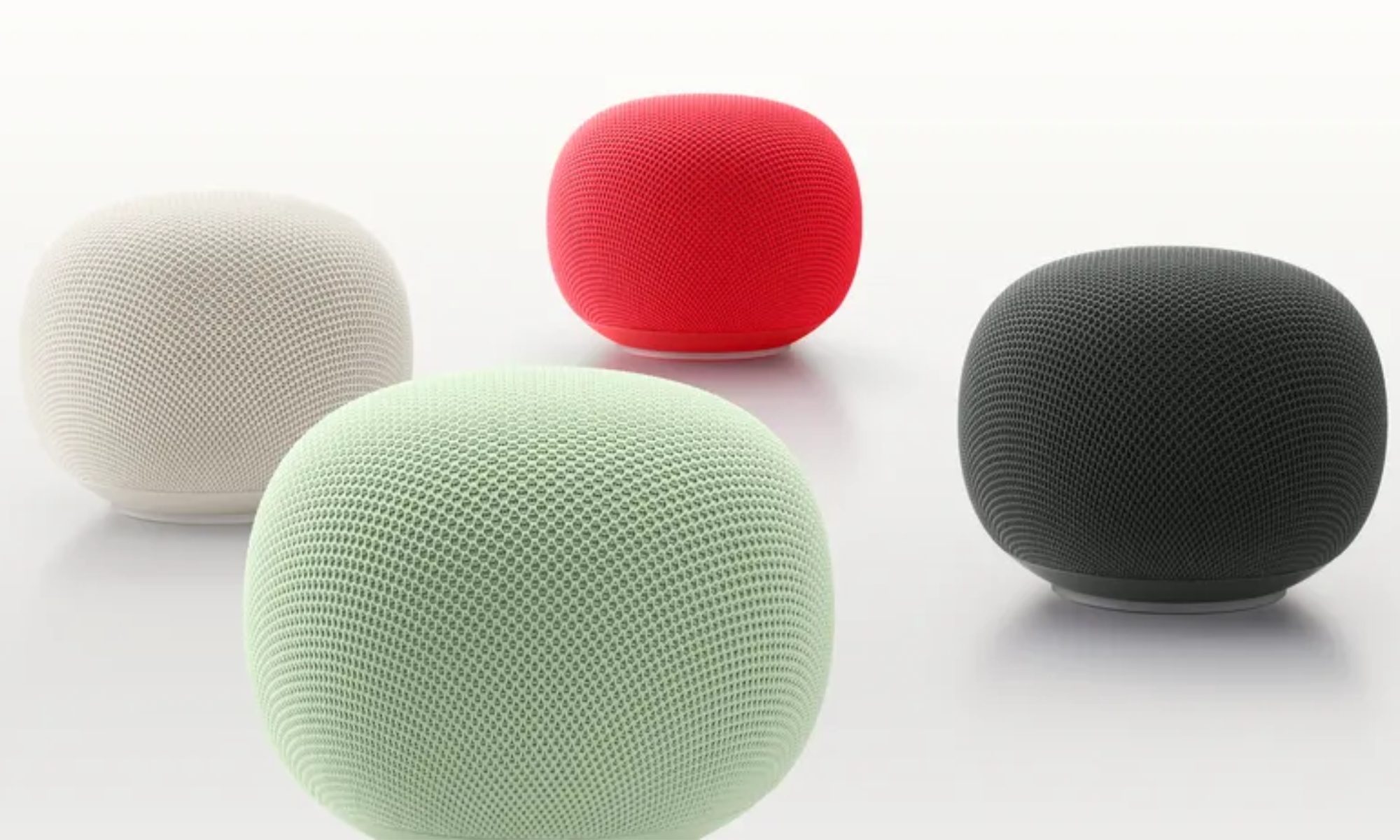
Beyond the Gemini AI layer, the smart speaker produces 360-degree output from a 58mm full-range driver, firing audio in all directions. The driver is twice as large as the one in the Nest Mini, along with more prominent bass.

Recommended Videos

You can pair two speakers together to create a stereo setup or link them with a Google TV Streamer to create a spatial surround sound home theater arrangement. A light ring beneath the speaker glows to show when Gemini is listening, thinking, or responding, replacing the four hidden dots that the Nest Audio used. 

The speaker doubles as a Matter controller, meaning it can directly manage and connect smart home devices more without extra hubs. It also features a privacy switch at the bottom for disabling the microphones.

You can buy the speaker in four colors: Porcelain, Hazel, Jade, and Berry. Two of those finishes, Jade and Berry, are exclusive to the US.

What AI features require a subscription?

This is the more complicated part. While the free version of Gemini on the Home Speaker handles conversation, smart home control, and general questions, the features that differentiate this one from other smart speakers on the market are locked behind a monthly subscription. 

These include Gemini Live for free-flowing conversations, Camera History Search for asking what your Nest cameras captured, and Home Briefs for a daily summary of activity around your house.

All of these features require a Google Home Premium subscription, which starts at $10 per month for the Standard plan or $20 per month for the Premium plan. 

Every Home Speaker purchase includes a six-month trial of Home Premium Standard, a meaningful addition at launch, but a recurring cost to factor in after the trial ends.

Shikhar Mehrotra
For more than five years, Shikhar has consistently simplified developments in the field of consumer tech and presented them…
DJI’s Osmo Pocket 4P packs two cameras and a 1,000-nit OLED screen
However, you can't buy it in the United States, as DJI is a part of FCC's Covered List since December 2025.
Camera, Electronics, Video Camera

DJI just announced the Osmo Pocket 4P, its most capable pocket gimbal camera yet, with a dual-camera system, a 1,000-nit OLED screen, and 17 levels of dynamic range, all in a body that slips into your jacket pocket. 

The Pocket 4P costs CNY 3,799 (around $562) in China, where it's available in Classic Black and Pearl White colors. A Vlog Set bundling additional accessories is available at CNY 4,299 (around $636). However, there is one catch for American shoppers, a big one no less.

Read more
Roku is reportedly exploring a sale, and its 100 million users are the biggest prize
The company is reportedly weighing a sale amid interest from media and tech players.
Roku on TV

Roku may not stay independent for much longer. According to a Reuters report citing people familiar with the matter, the streaming platform company is exploring strategic alternatives that include a full sale, with at least one U.S. media company already involved in preliminary discussions.

Roku is reportedly weighing a sale amid growing industry interest

Read more
Spotify removed tens of thousands of fake podcasts tied to online drug sales
Spotify is cleaning up thousands of fake podcasts linked to scam websites
spotify

Spotify has spent the past year quietly removing tens of thousands of fake podcasts that were allegedly being used to promote illegal online pharmacies and scam websites. Now, a new congressional report is raising questions about how the scheme was able to flourish on one of the world's largest audio platforms in the first place.

According to the Wired report, bad actors created thousands of fake podcasts that were never intended to attract real listeners. Instead, they were designed to manipulate Spotify’s search rankings and boost the visibility of websites selling prescription drugs without prescriptions, including opioids, stimulants, and benzodiazepines.

Read more