  1. Home
  2. Space
  3. News

NASA is investing $590 million in private contractors to build humanity’s first Moon outpost

NASA is counting on private companies to land its Moon Base dream.

Add as a preferred source on Google
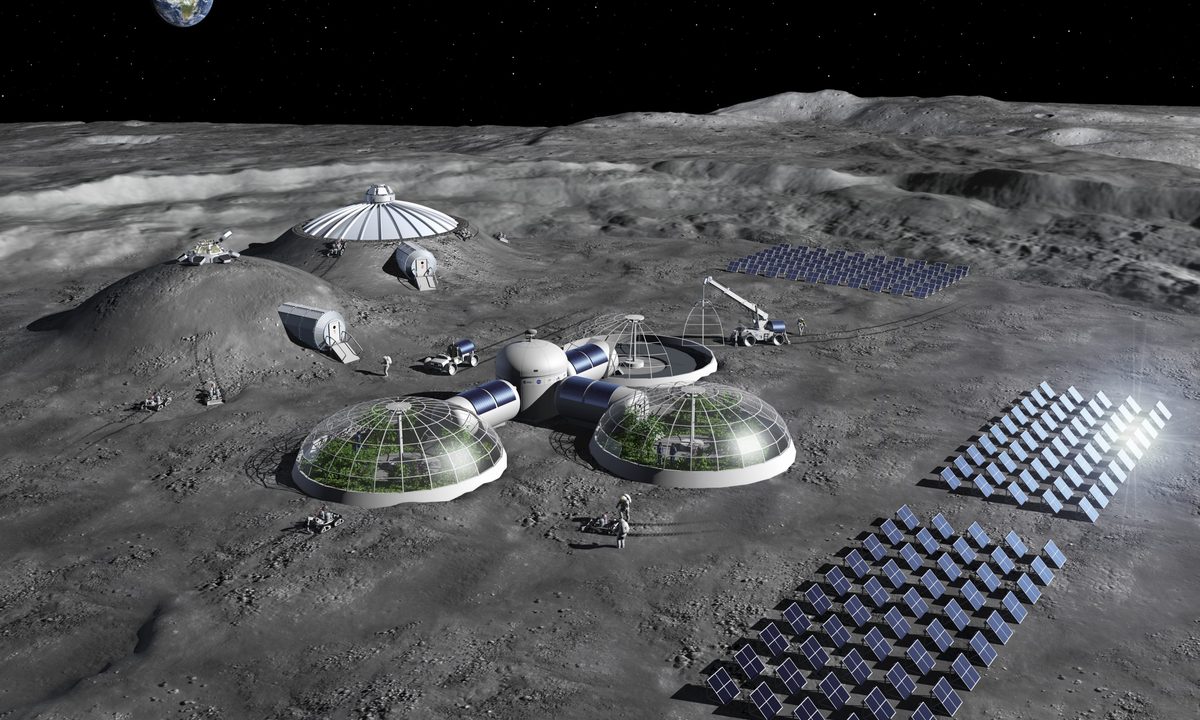
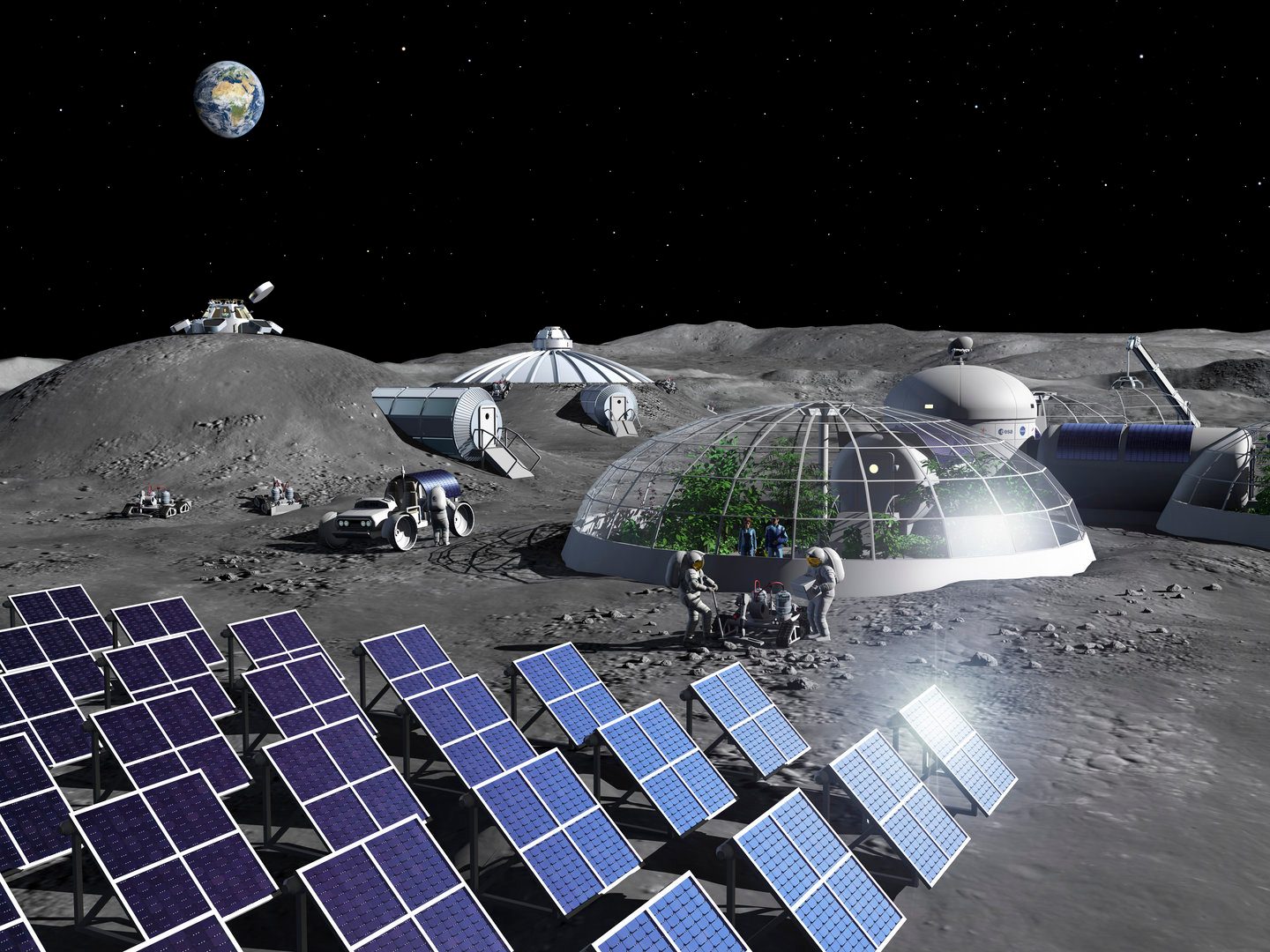
Artist impression of a Moon Base concept, with solar arrays for energy generation, greenhouses for food production, and habitats shielded with regolith.
Artist impression of a Moon Base concept, with solar arrays for energy generation, greenhouses for food production, and habitats shielded with regolith. ESA - P. Carril

Building a permanent base on the Moon sounds like science fiction, but NASA is making it feel a lot more real. The agency just handed $590 million in contracts to three private companies for four uncrewed lunar lander missions launching in late 2028.

These missions are part of Phase 1 of NASA’s broader $30 billion Moon Base program, which needs to deliver landers, rovers, and scientific cargo up there before astronauts eventually move in. These efforts are closely tied NASA’s Artemis program, which sent humans on a lunar flyby in April for the first time since the Apollo era.

Who is building NASA’s Moon outpost?
According to NBC News, Astrobotic received the biggest slice, $297.9 million, for two missions. Firefly Aerospace secured $144.2 million for one lander, while Intuitive Machines won $148.3 million for another. NASA says these repeated robotic trips are crucial because future human crews will depend on those systems working flawlessly.

Recommended Videos

However, the track record so far is a mixed bag. Firefly is the only private company to nail a clean Moon landing, with its Blue Ghost vehicle touching down upright in March 2025. Astrobotic’s Peregrine mission never made it past Earth orbit, while Intuitive Machines reached the surface twice but tipped over on both attempts.

NASA is also exploring whether a Mars rover prototype called Promise could be repurposed for lunar missions, adding more science capabilities to the outpost effort.

Why is NASA accelerating the timeline?

This first phase will cost around $10 billion and run through 2028, but the urgency goes beyond engineering. China is rapidly expanding its lunar program, and both countries are targeting the Moon’s south pole because it may contain water ice that could be turned into drinking water or rocket fuel.
NASA is also dealing with setbacks. Blue Origin’s New Glenn rocket exploded on the launchpad in May, delaying its planned Blue Moon lander mission. NASA has already started exploring backup launch options to avoid losing time.

If all goes to plan, this Moon Base will grow into a settlement where astronauts live and work. It is expensive, risky, and years away, but NASA just made one of its most decisive moves yet toward getting there.

Manisha Priyadarshini
Manisha Priyadarshini is a tech and entertainment writer with over nine years of editorial experience.
Getting to Mars may require a pit stop in orbit, and NASA just tested the nozzle to make that happen
A gas pump nozzle for spacecraft sounds simple. It is not, and that's what makes this test worth paying attention to.
Architecture, Building, Factory

Getting a spacecraft to Mars or beyond requires an enormous amount of fuel, most of which has to be hauled from Earth, adding to the overall cost and weight of the spacecraft. NASA has been working on a different approach, one that could be more efficient and effective.

It wants to refuel a spacecraft in orbit before heading out for the mission. What’s even more interesting is that the space agency just finished testing a component that could make that possible: a cryocoupler.

Read more
Elon Musk’ Starlink could soon offer mobile services as a US carrier
Showcase of T-Mobile Starlink service on an iPhone.

Elon Musk’s Starlink has already changed how millions of people access the internet, especially in places where traditional broadband struggles to reach. Now, the satellite internet service could be preparing for an even bigger leap — becoming your mobile carrier.

According to a Financial Times report, SpaceX has told investors it’s considering launching a retail Starlink mobile service in the US. Instead of simply partnering with wireless carriers, the company could begin selling mobile plans directly to consumers, putting it in direct competition with Verizon, AT&T, and T-Mobile.

Read more
Lightsails have hit another speed bump on the road to interstellar travel
The coolest interstellar travel idea may get betrayed by the light pushing it
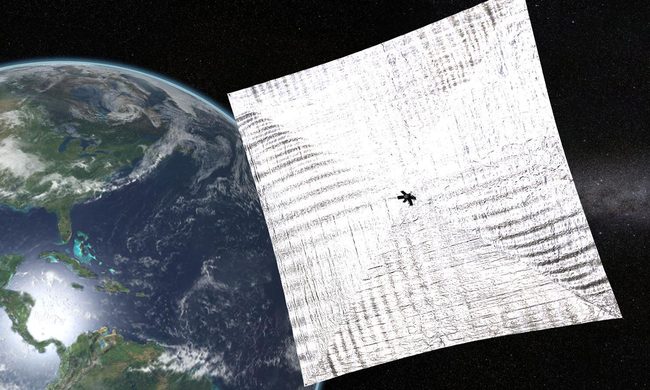
LightSail in Earth orbit

Laser-powered lightsails are one of the coolest answers to spaceflight. It might not be as sci-fi-sounding as a warp drive, but now, its practicality has also come under question. Using lightsails, a spacecraft could unfurl an ultra-thin reflective sail and let a powerful laser push it toward another star, without relying on fuel.

The tech was simple and elegant--except it's also more complicated than it sounds. A new preprint from researchers Chao Shen and Jiaze Li of the Harbin Institute of Technology suggests that relativistic lightsails may run into a hidden propulsion problem once they start moving extremely fast.

Read more