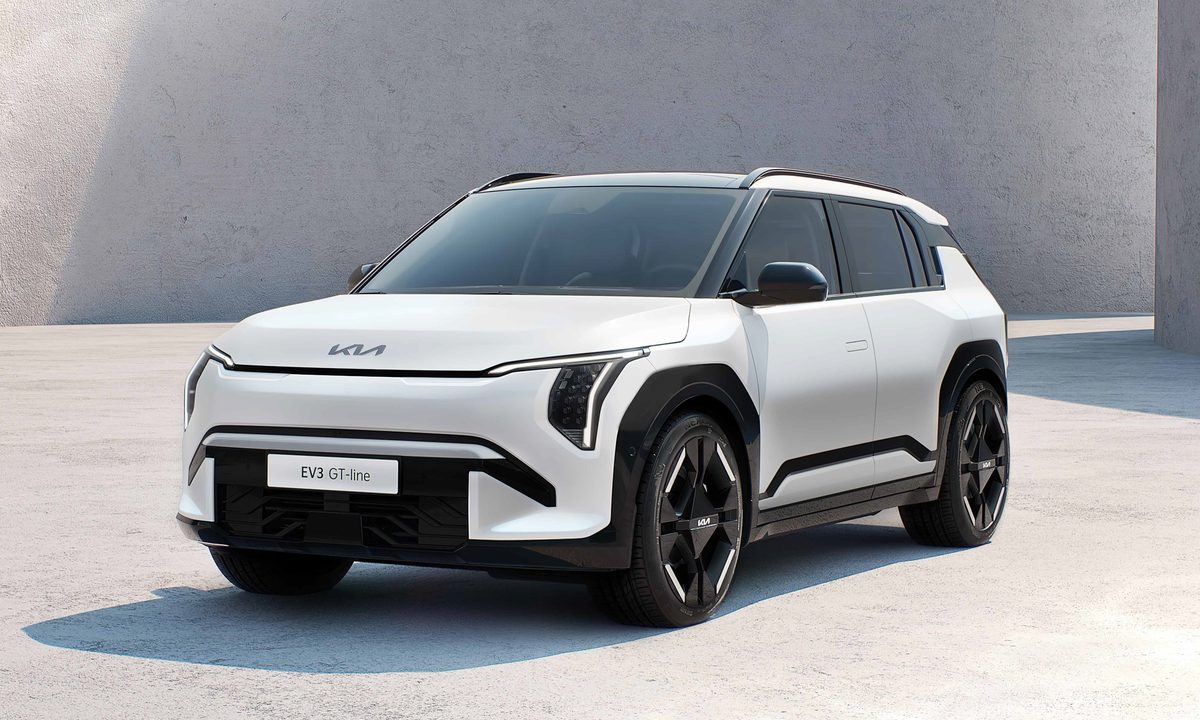
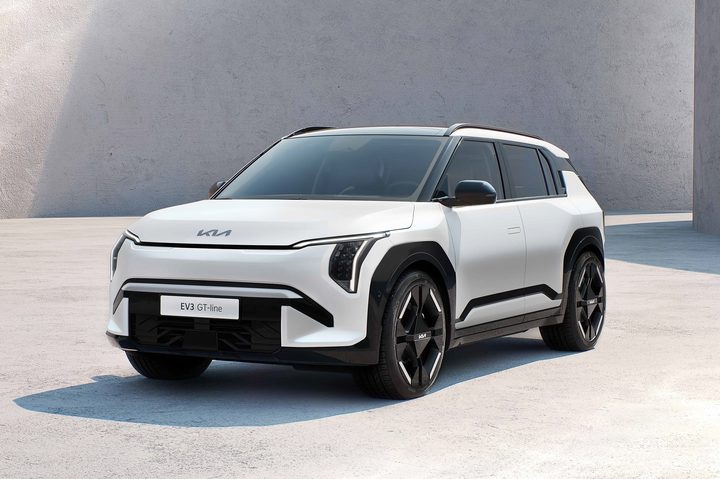
The Kia EV3 is finally coming, and it could end up being Kia’s most popular electric car. It is also quite likely to be Kia’s cheapest EV to date, while still offering high-end features, great tech, and a solid range. But, of course, the EV3 will have to compete with other Kia electric cars — like the much-loved EV6.
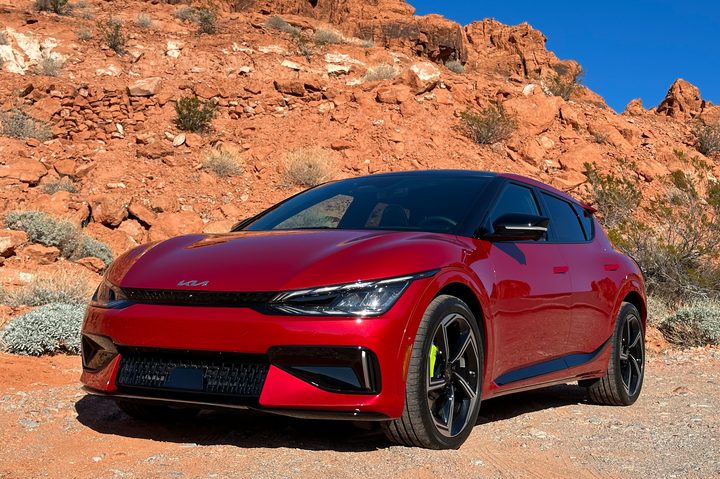
The Kia EV6 was Kia’s first of its latest generation of electric cars. Essentially, it was built to prove the concept of electric cars for Kia, with a stylish and unique design and an excellent range. It’s fast, too — especially the Kia EV6 GT.
But how do the EV3 and EV6 compare? What are the differences — and is one better for your needs? We put the two head-to-head.
Design
The designs of the EV3 and EV6 are pretty different — and you might like one more than the other. The EV6 has a relatively unique design, with its slanted headlights at the front and long light bar at the rear. It’s a very sleek look, and itt’s totally different from Kia’s other vehicles. You might not even realize that it’s built by the same company as the EV3.
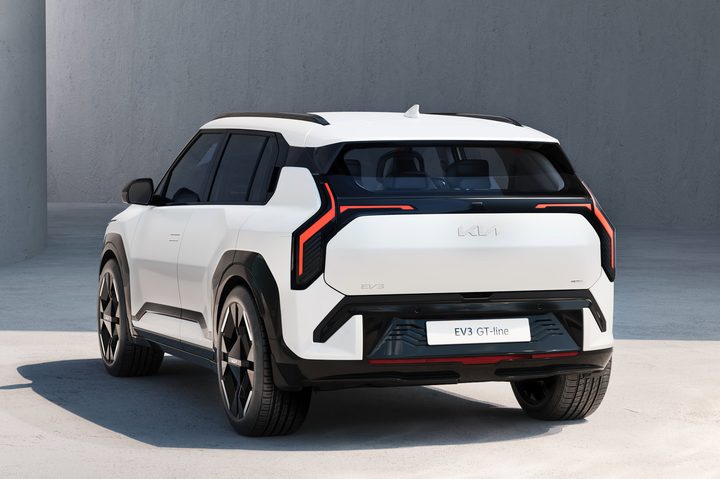
The EV3 is establishing a trend in Kia EV designs as it retains many of the same design elements as Kia’s largest vehicle, the EV9. It has a boxy build,and split headlights and taillights. Kia says that the front of the car offers its Tiger Face design — and if you’ve seen modern Kia cars, electric or otherwise, you’ll definitely recognize the look. It’s also a good-looking car, though perhaps slightly less unique than the EV6. It also has a rear-hung back door, which could help make it easier to load things like a car seat.
Despite the SUV look to the EV3, it’s actually smaller than the EV6. The EV3 measures 169 inches long, 73 inches wide, and 61 inches tall. The EV6, on the other hand, sits in at 185 inches long, 74 inches wide, and 61 inches high. So, it’s longer and slightly wider while being the same height.
Ultimately, design is subjective. This one’s a tie.
Winner: Tie
Interior and tech
The interiors of the two vehicles will be similar too. Both cars offer a dual display setup at the front, with one serving as the infotainment display and the other for instrument monitoring. The EV6 supports CarPlay and Android Auto — and while Kia hasn’t confirmed support for these technologies for the EV3, considering all of its new vehicles have them, we’re expecting they’ll be available.
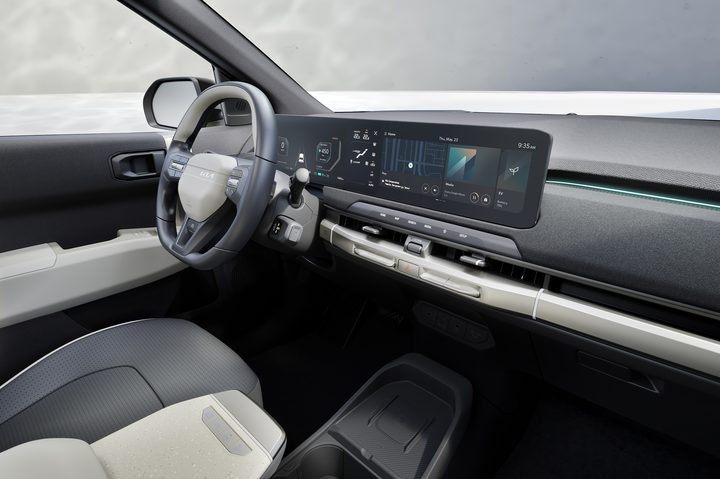
The interior styling and feel is similar too. Both vehicles seem spacious and light, though to be fair, I’ve only actually been in the EV6. Both the EV3 and EV6 are adorned with recycled materials on the inside of the vehicles, and I found the EV6 to be very comfortable to sit in — so if the EV3 is anything like the EV6 in this regard, it’ll be comfortable too.
Both interiors look to be modern and feature-rich. They’ll offer similar styling too, given they’re built by the same company.
Winner: Tie
Performance
Performance is one area where these two vehicles start to really differ. The EV3 is built to be Kia’s budget electric car (at least until an EV1 or EV2 gets released), and as such, you wouldn’t expect it to be as powerful as the EV6. And, it won’t be. Kia says the EV3 will only be available in a single-motor variant, and the fastest EV3 will be able to accelerate from 0 to 60 miles per hour in 7.5 seconds. That’s not slow in the grand scheme of things, but compared to other modern electric cars, it’s not super quick. We don’t yet know all the details of the EV3 models, but the other variants of the vehicle will be slower.

The EV6 is a little more performance-focused. The base model of the EV6 is available in single-motor rear-wheel-drive or dual-motor all-wheel-drive options. The base model of the EV6 is the rear-wheel-drive EV6 Wind RWD, and it delivers 225 horsepower and the ability to accelerate from 0 to 60 in 7.2 seconds — slightly faster than the fastest EV3 model. The fastest EV6 is the EV6 GT, which offers 576 horsepower and can reach 60 mph in only around 3.2 seconds, which is very quick.
It’s safe to say that if you’re looking for performance, the EV6 is probably the way to go.
Winner: Kia EV6
Range and charging
We don’t yet know all the details about the range of the EV3, so it’s slightly diificult to compare the two vehicles. The car will be available in two battery sizes — a 58.3-kilowatt-hour battery, and an 81.4kWh battery. Kia says that the vehicle will offer a range of up to 600 kilometers, which equates to around 373 miles. However, it’s important to note that this range estimate is from the Worldwide Harmonized Light Vehicles Test Procedure (WLTP), which is a little more generous with range estimates than the Environmental Protection Agency (EPA) in the U.S. We’re expecting the EV3 to offer a range a little closer to 300 miles on the top end, and probably closer to 200 miles on the low end.
We do know more about the range of the EV6 though. The single-motor EV6has a range of up to 310 miles. If you go for a dual-motor variant, you’ll have to settle for slightly lower range — the EV6 Wind AWD model gets 282 miles of range, while the EV6 GT-Line steps down to 252 miles and the EV6 GT down to 206 miles.
The EV3 will be built on a 400-volt architecture, and not the 800V architecture that the EV6 is built on. That means that it won’t be able to charge anywhere near as fast. Kia says the EV3 can charge from 10% to 80% in 31 minutes — but that doesn’t quite reach the heights of the EV6 being able to charge from 10% to 80% in as little as 18 minutes at a 350kW DC fast charging station.
We can call range a tie, because we don’t yet have all the details about the EV3’s range. However, charging is not a tie, so this category goes to the EV6.
Winner: Kia EV6
Price and availability
If you’re interested in buying a car now, between these two models, there’s only one choice — the EV6. The EV3 has been announced, however, it’s not available anywhere yet. It will first roll out in Korea in July, after which it’ll get a European release in the second half of the year. There’s no confirmation that it will ever arrive in the U.S., however, if it does, it won’t be until at least early 2025. We also don’t yet know about pricing for the vehicle, but it’ll likely start in the $30,000 to $40,000 price range. We’re obviously hoping it’ll be on the lower end of that scale, but that remains to be seen.
The EV6, on the other hand, is available — and you can order one right now. The car starts at $42,600, so it’s at best a little more expensive than the expected price of the EV3.
The EV3 isn’t available yet, but it is expected to be cheaper than the EV6. This one’s a tie.
Winner: Tie
Conclusions
No surprise here — the EV6 is a “better” car. It offers better performance, is a little larger, and can charge much faster. It remains to be seen if it’ll also offer a longer range, but regardless, if you want, the best the EV6 is the way to go. That said, it’ll also be more expensive than the EV3, so while we don’t yet know exact pricing for the EV3, it may be more appealing to you depending on its price.