Apple is ready to take CarPlay to the next level. At last year’s Wordwide Developers Conference, the company announced an all-new version of CarPlay that would not only serve as your car’s infotainment system, but also take over the rest of the screens in the car, showing information about your speed and the car itself, alongside information pulled from your phone, like your calendar events and the weather.
When it was first announced, this new version of CarPlay was supposed to launch by the end of 2023. That means that if the new CarPlay launches on time, it should be right around the corner.
But I don’t necessarily think that it will launch on time. In fact, I’m not fully convinced it’ll launch at all, and if it does, I’d be surprised to see mass adoption. Here’s why.
Money to be made
There’s one big reason why I don’t think Apple’s new, revamped CarPlay will gain much traction — carmakers are now, finally, at a point where they’re realizing that user attention on their software can be valuable, and they don’t want to give that user attention up.
There are a few reasons for this. One of them is just the investment. As software has become more important to the driving experience, carmakers have poured money into refining theirs, and throwing that away now would be a huge waste.

Perhaps even more importantly, software could become a major source of subscription revenue for car companies. As cars are increasingly driving themselves, even if just on the highway for now, companies are starting to charge for features on a monthly basis, rather just once upfront. For instance, BMW has experimented with charging a monthly fee for heated seats and Tesla charges $199 per month for Full Self-Driving. As time goes on, it only makes sense that these companies will try to increase their subscription offerings by unlocking more features in their own software. Handing any services over to Apple leaves less to charge for.
Some companies have already taken the step toward forcing users to use their own software, including General Motors, which has announced that it will no longer be supporting CarPlay on its cars.
Standing apart from the pack
There’s another reason automotive companies may want to put more effort into developing their own software — as a point of differentiation. As we head toward a world of EVs, there are simply fewer things that make cars unique. Why? For the most part, electric cars just kind of … feel the same. Yes, some go faster, and some go slower — but there’s less of that identity that their gas-powered cousins have.
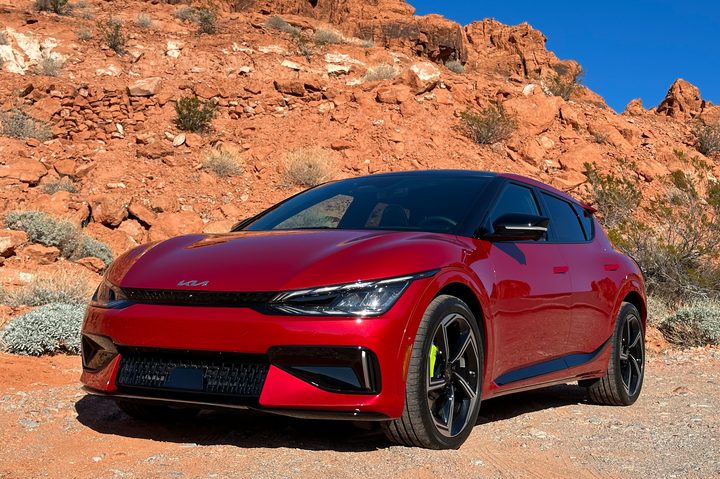
Now, to be clear, the trade-off is a world of cleaner, faster cars, and that’s a good thing. But it does mean that carmakers need to inject identity into their cars in different ways. Ways like interesting designs, more luxurious interiors, and yes, software.
I hope Apple gets the keys
Obviously, carmakers have a long way to go before car buyers seek them out for their special software, if they get there at all. Here’s the thing — car software is pretty terrible. Like, almost all of it. In my experience, every legacy carmaker builds subpar software, and while the likes of Tesla certainly make better software than the rest, it’s still not great.

It would be very interesting to see what would happen if Apple was given a shot to take over the car software experience. There’s no guarantee that the revamped version of CarPlay would be much better than the rest, though it would almost certainly be prettier. But, it feels like it’s much more likely that Apple’s software will be better than that of a company like General Motors or BMW.
Of course, questions still remain about the system. Maybe it’ll just be like existing iterations of CarPlay, which rely on the phone’s processing power to run the software. In that case, carmakers would still develop their own software for those who don’t have iPhones or don’t want to use CarPlay, just like they currently do.
My ultimate hope? Automakers stop trying to build their own software, and simply cede control to the likes of Apple and Google, who have much more experience in building software, and can build software tools that just work better.