
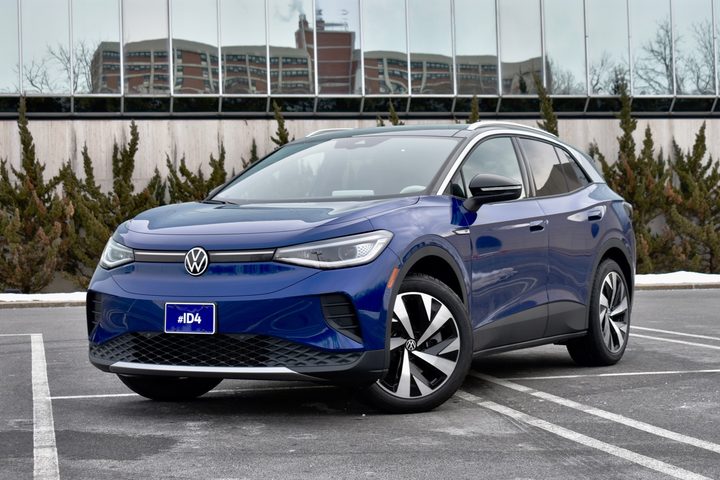
The electric car world is seriously heating up, with a number of high-end electric crossovers now available, albeit still at a higher price than comparable gas-powered cars. The Tesla Model Y is one of the first of these, offering the Tesla design, a high-tech software experience, and more. But another one of the older of these models is the Volkswagen ID.4, which was first released in 2021 and also offers among the better electric car experiences out there.
Can the ID.4 compete with one of the best-selling electric cars out there? We put the two head-to-head to find out.
Design
The first thing to compare between these two cars is design, and they take a slightly different approach.
The Tesla Model Y, for starters, looks like other Tesla cars. It offers the same modern approach, with slanted headlights at the front, and a minimalistic look overall. Tesla’s design has been aging a little, given the fact that it has largely remained unchanged for some time now — but there’s no denying that the Model Y still looks generally sleek.
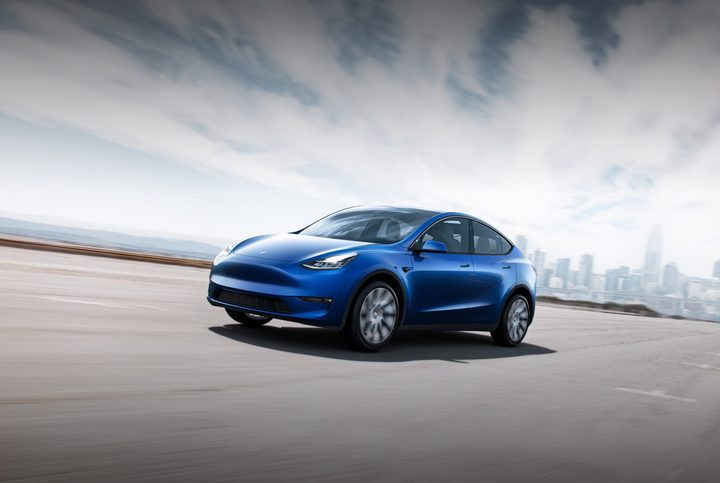
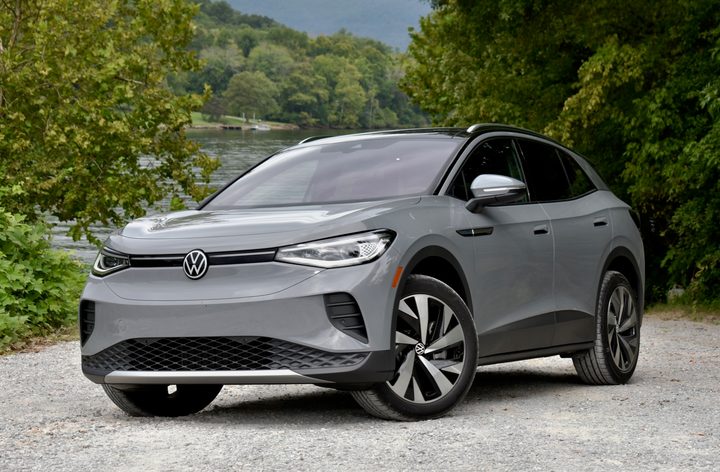
Sleeker than the ID.4, anyway. The ID.4 isn’t necessarily an ugly car, but it certainly doesn’t look as modern or sleek as many other electric cars. I find the ID.4 to be less sleek than most top electric cars out there — in my opinion, the Model Y, Kia EV6, Hyundai Ioniq 5, and Ford Mustang Mach-E all look leagues better.
Generally, the ID.4 offers a more conservative approach to design, and you wouldn’t know that it’s electric just by looking at it. It has a rounded roof along the top, with a light bar that stretches along the back of the car. Despite not liking the overall design, I do like that touch.
Design is generally subjective, so if you disagree, feel free to disregard this section. In my opinion, though, this one goes to Tesla.
Winner: Tesla Model Y
Interior and tech
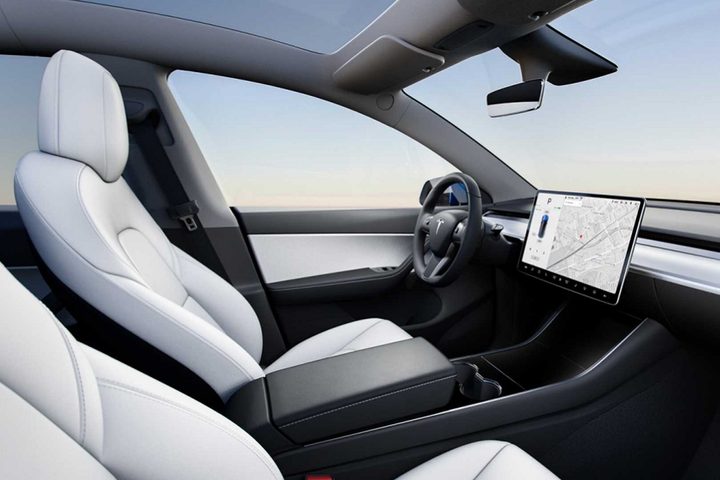
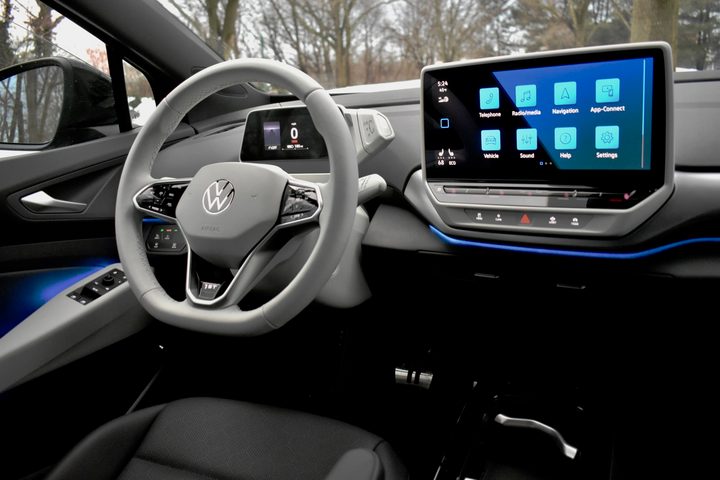
The design ethos that Tesla and Volkswagen take on the outside continues on the inside. That’s to say, the Tesla Model Y is minimalistic and modern, while the Volkswagen ID.4 looks a little more traditional.
Now, that may not be a good thing for everyone. Tesla has been fairly criticized for moving too much into the screen. The ID.4 keeps lots of steering wheel controls, meaning that you don’t have to dive into settings for many of the controls. You will still have to use the screen for climate controls, though.
Tesla has a leg up in the tech section too. Tesla has worked hard to ensure that its software experience is great — and while its infotainment system could still be better, it’s among the best out there right now. The ID.4’s infotainment system looks dated and is harder to navigate — though thankfully, unlike the Tesla, it supports CarPlay and Android Auto. On the flip side, the Model Y has a much larger infotainment display, which is nice.
Other tech is a little better on the Tesla too. Tesla offers things like cameras for security and more autonomous driving tech, even though some of that comes at an extra cost. The Tesla is just more high-tech than the ID.4. It gets the win here.
Winner: Tesla Model Y
Performance
Both the Model Y and the ID.4 are available with multiple powertrain options. The standard Model Y has a 5.0-second acceleration from 0 to 60 mph — but it jumps up to 3.5 seconds for the Tesla Model Y Performance. The Model Y has a horsepower of between 425 and 455, again, depending on the model.
The Volkswagen ID.4, on the other hand, doesn’t quite match that — even the fastest ID.4, the ID.4 Pro S Plus, is slower than the slowest Model Y at 5.8 seconds. It has a horsepower of between 201 and 295.
The Model Y gets the win here, pretty easily.
Winner: Tesla Model Y
Range and charging
Range is one of the most important aspects of any modern electric car. The Tesla Model Y is pretty good at range — offering 279 miles in the base Model Y, and up to 330 miles in the Model Y Long Range. The ID.4 is quite a bit lower. The base model of the ID.4 is the ID.4 Standard, and it has a range of 209 miles, with the highest-range model being the ID.4 Pro S at 275 miles.
When the Model Y does run out of juice, it has the benefit of being able to use Tesla’s large network of Superchargers and other public chargers, while the ID.4 can’t use Tesla chargers just yet. The Model Y can charge at up to 250 kilowatts, which will get you from 10% to 80% charge in 27 minutes. The ID.4 supports a charging speed of 135kW, and it’ll get you from 10% to 80% in around 33 minutes.
No matter how you look at this category, Tesla wins.
Winner: Tesla Model Y
Pricing and availability
The Tesla Model Y may have won all the categories so far, but price is an area where the Volkswagen ID.4 could gain some traction. The base price of the Tesla Model Y is $47,740 for the standard range model. The base price of the Volkswagen ID.4, however, is a much lower $38,995. Sure, you could spend more on higher-end models, but the fact is that if you want to spend less, then the Volkswagen ID.4 is a better choice.
Both cars are readily available — but considering the price, this one goes to Volkswagen.
Winner: Volkswagen ID.4
Overall winner: Tesla Model Y
This was always going to be a tough competition for Volkswagen. Even if you disregard subjective things like design, the Tesla Model Y still performs better and has a longer range and faster charging. But it’s also more expensive — you’ll have to pay for those better features. If you don’t mind spending the extra cash and are deciding between these two cars, then the Model Y is probably a better option — but if you could stand to save some cash, the ID.4 is still a solid EV.


