

LG is getting ready to show off its latest breakthrough in home robotics, a new bot called LG CLOiD, at CES 2026 in Las Vegas this January. This isn’t just another gadget launch; it marks a huge shift for LG as they go all-in on a future where smart robots aren’t just toys, but a core part of how we manage our homes.
The LG CLOiD is basically a multi-purpose indoor helper designed to take the sting out of household chores. It’s the centrepiece of LG’s “Zero Labor Home” vision – a concept that’s all about using automation to free up your time for things you actually enjoy, like hanging out with family or just relaxing. Instead of being a specialized tool like a vacuum, CLOiD is meant to be a general-purpose manager for the entire house.
The physical design is where things get really interesting
Unlike those puck-shaped vacuums or clunky service bots we’re used to, CLOiD actually has two articulated arms. Each arm has seven “degrees of freedom,” which is just a fancy way of saying they move as naturally as a human arm. Each hand also has five individually moving fingers, giving it the kind of dexterity needed to pick up a towel or load a dishwasher – tasks that have traditionally been a nightmare for robots to handle.
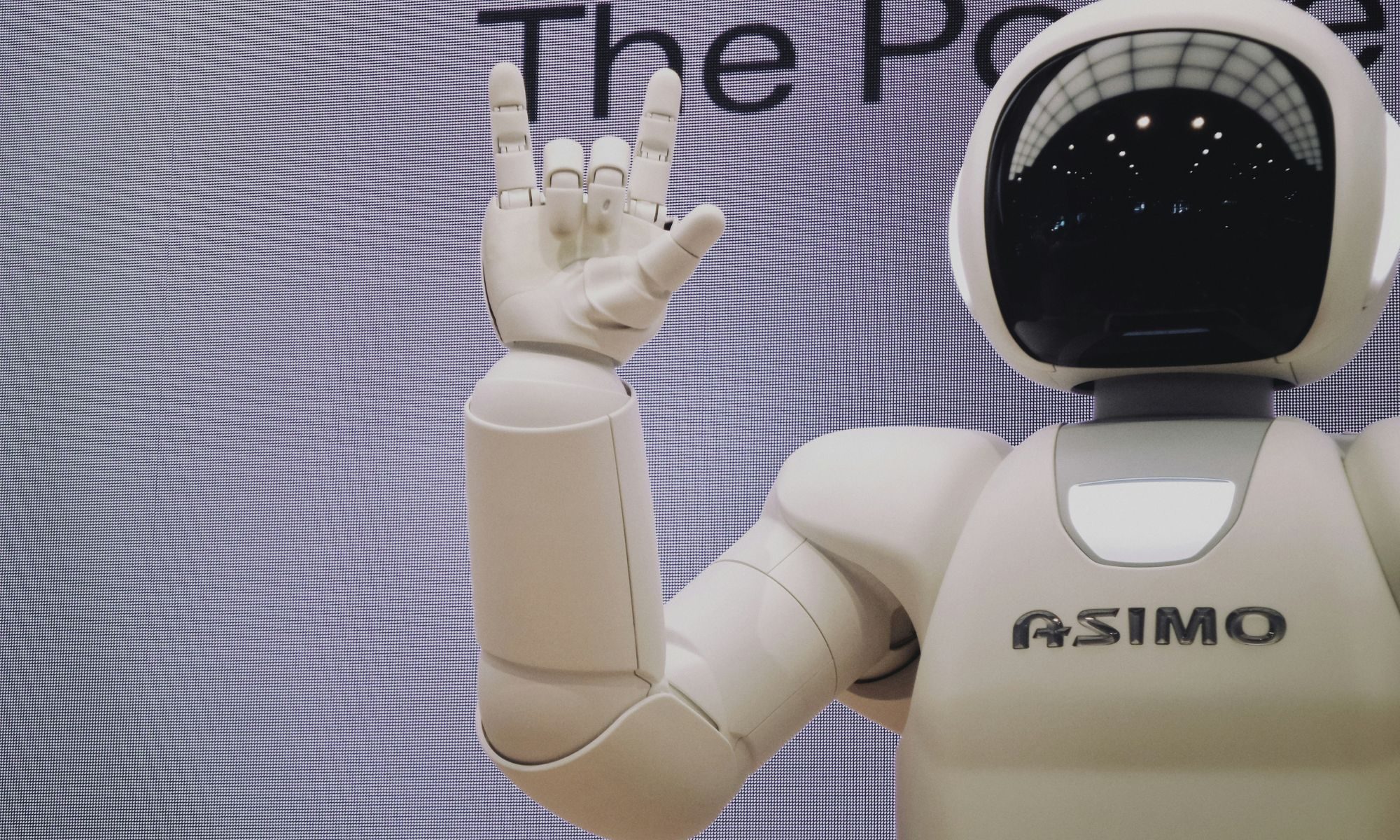
Inside the robot’s head, there’s a dedicated chipset that acts as the “brain,” alongside a display, speakers, and a camera. This setup lets the robot communicate through expressions and voice, while a suite of sensors helps it navigate around your furniture without bumping into everything. LG’s goal was to make these interactions feel less like talking to a toaster and more like talking to an actual assistant.
The real secret sauce is something LG calls “Affectionate Intelligence”
It’s an AI platform that allows the robot to learn from you. It doesn’t just follow static rules; it watches your routines, adapts to your habits, and gets better at helping you the more you use it. It’s supposed to be a personalized experience that grows with the household.

LG isn’t just playing around with robots as a hobby – they see this as a massive growth engine. They even set up a dedicated HS Robotics Lab to build their own tech and stay competitive. They aren’t doing it alone, either; they’ve been teaming up with top-tier robotics firms both in Korea and globally to make sure CLOiD is more than just a proof-of-concept.
While we don’t know the exact price tag yet or when you can actually buy one for your living room, bringing CLOiD to CES 2026 is a clear sign that LG is getting close to a real-world release. In the coming months, we’ll likely hear more about specific tasks it can do and how it will talk to the rest of your smart home. It’s an exciting – and slightly futuristic – glimpse into how robots might soon become a normal part of our daily lives.