
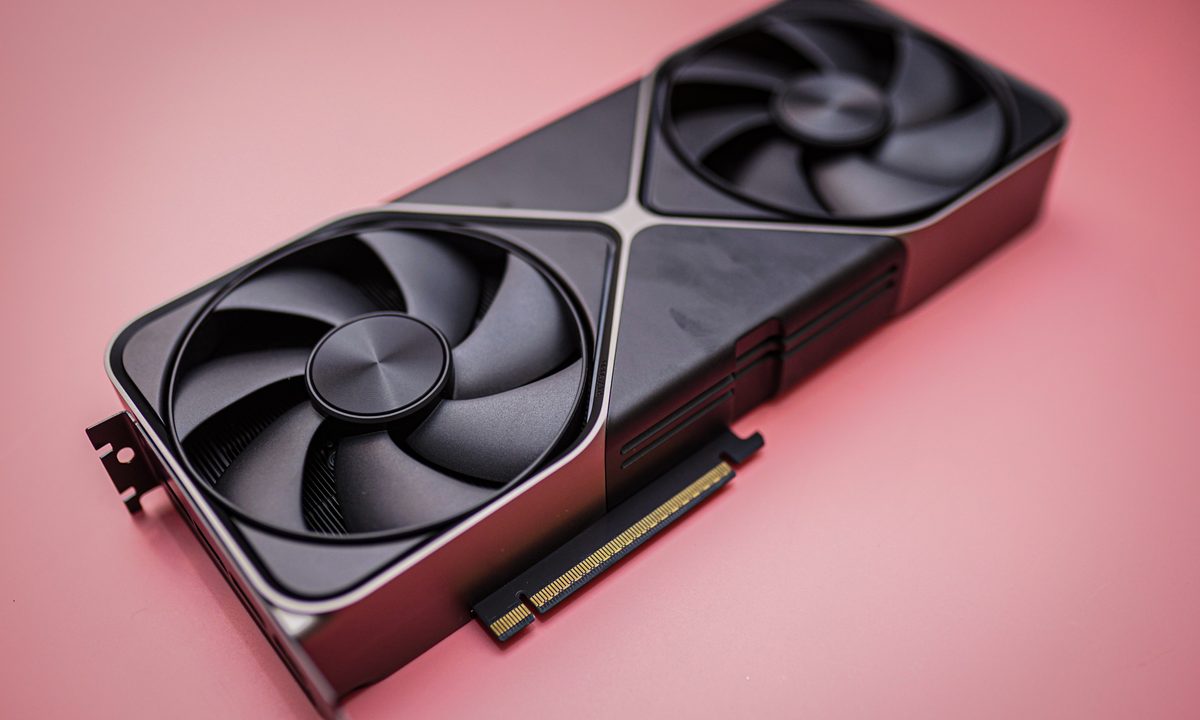
In response to the recent launch of Nvidia’s latest RTX 5090 and RTX 5080 graphics cards, eBay users have taken matters into their own hands to combat scalpers and automated purchasing bots. By listing fake products—such as photographs or drawings of the RTX 5090, sometimes humorously framed—sellers aim to deceive bots programmed to acquire these high-demand items for resale at inflated prices.
These deceptive listings often mimic the appearance of genuine product offers, complete with pricing around the manufacturer’s suggested retail price (MSRP) or lower. Subtle warnings like “read description” are included to alert human buyers.
Upon reviewing the description, it becomes evident that the listing is for an image or drawing of the graphics card, not the actual hardware. Some sellers even specify that purchasers will receive a digital image via email or a random item from a donation store, clearly indicating the non-physical nature of the product. For instance, this listing asks users to read the description where it says – “THIS IS JUST A PICTURE OF THE RTX 5090 GRAPHICS CARD PRINTED IN BLACK AND WHITE FROM MY PRINTER. HUMANS DO NOT BUY! ZERO RETURNS! SALES ARE FINAL!”
This tactic has proven effective. A search for “RTX 5090” on eBay reveals numerous such listings, with some even recording sales. While it’s unclear whether these purchases were made by bots or unsuspecting individuals, the prevalence of these fake listings has made it challenging for scalpers to identify genuine products.
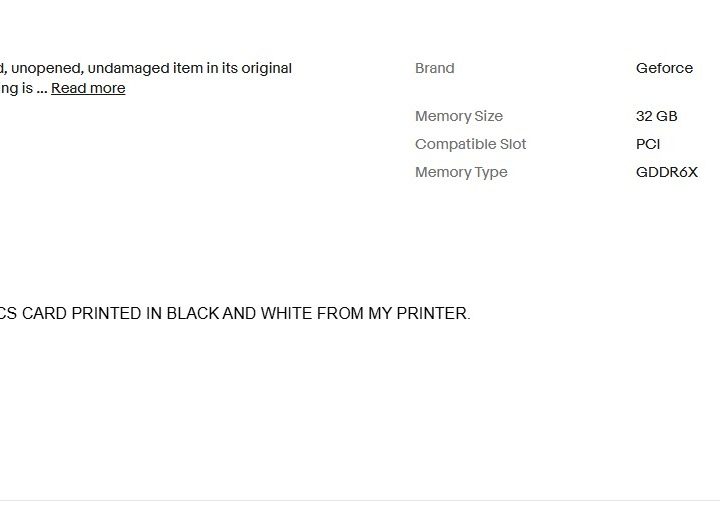
The motivation behind these actions stems from widespread frustration over the limited availability of Nvidia’s latest RTX 50-series desktop GPUs, which went on sale just yesterday, January 30. Despite the company’s efforts, the RTX 5090 and RTX 5080 have been in short supply since their release, leading to significant demand and prompting enthusiasts to camp outside retailers in hopes of securing a unit.
Gamers Nexus has done an excellent deep dive on the ongoing RTX 50-series GPU shortages. The video suggests that major retailers such as Micro Center, Best Buy, and Newegg had extremely limited stocks that were depleted within hours, leaving many enthusiasts empty-handed.
In Japan, the situation was equally chaotic. Eager customers were seen hopping fences of neighboring properties to secure a GPU. To manage overwhelming demand and prevent scalping, a Japanese retailer implemented a lottery system just to buy one GPU. However, the lottery concluded before many attendees arrived, leading to further frustration among consumers.
Notably, Nvidia acknowledged that its new RTX 5090 and 5080 graphics cards would face significant demand, potentially leading to stock shortages. Tim Adams, Nvidia’s head of GeForce community, stated in the company’s forums, “We expect significant demand for the GeForce RTX 5090 and 5080 and believe stock-outs may happen.” He emphasized that the company and its partners are continuously shipping more stock to retailers to meet consumer demand.
Reports suggest that these supply challenges may persist for up to three months, exacerbating the situation and giving scalpers more opportunities to exploit the market. While system integrators might offer a way to get an RTX 50-series GPU, expect to pay a premium—and likely end up with extra parts you don’t need if you already own a PC.


