  1. Home
  2. Computing
  3. Features

I miss when upgrading your gaming PC felt exciting instead of financially stupid

Intel’s expected CPU hike is just the latest reason PC gaming in 2026 feels less exciting, less affordable, and less smart.

Add as a preferred source on Google
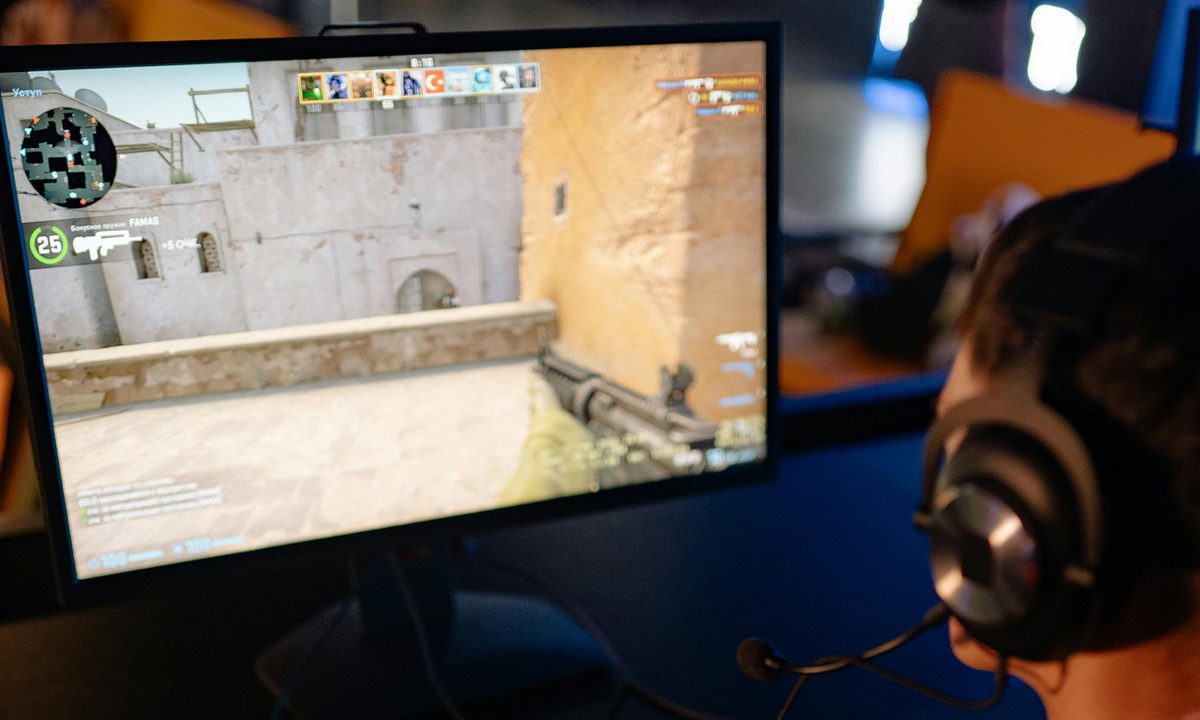
Man playing Counter Strike on PC Monitor Gaming
Yan Krukau / Pexels

Intel’s expected 10% CPU price hike would’ve been annoying in any year. But in 2026, it just feels like one more shove in a hobby that is already exhausting to keep up with. What makes this sting more is that it is not really about Intel alone. It is about how every time PC gamers think they have found a good moment to upgrade, there’s either a shortage, a new wave of scalpers, or some fresh pricing disaster around the corner to ruin it all.

What’s holding back every PC gamer?

The expected Intel hike lands on top of everything else already going wrong. CPUs getting pricier on their own would have been manageable, but what makes it feel miserable is that gamers are no longer dealing with just one bad component cycle. This is why every new report feels less like news and more like confirmation that the hobby is getting harder to justify.

AI is a big reason why the market is even worse. I was eyeing a nice CPU upgrade for my rig, but that would have forced a RAM upgrade too, which means stepping into the DDR5 mess at exactly the wrong time. And everybody already knows how ugly that situation has become.

Recommended Videos

Infrastructure demand for AI is booming, and suppliers are naturally prioritizing higher-margin server products over consumer hardware. For memory makers, that is just better business. But it also means gaming PCs, laptops, smartphones, and other everyday devices are getting squeezed in the process. That creates a nasty domino effect: RAM and storage get more expensive, manufacturers start pushing prices up across the board, and suddenly even a mid-range PC upgrade starts looking financially stupid.

And then come the shortages, scalpers, and timing traps

Even when prices are not outright exploding, PC gaming still gets battered by the same miserable cycle of shortages, low stock, awkward launch windows, and god-awful scalping.

Sometimes it is GPUs. Sometimes it is CPUs. Sometimes it is memory.

The hobby feels exhausting rather than merely expensive. You are not saving up for better hardware. You are trying to time a market that keeps finding new ways to get worse.

Is PC gaming even the smart choice anymore?

That is a question I never thought I would seriously entertain. I am not saying PC gaming is suddenly bad, and I do not see myself leaving the platform anytime soon. It can still be the best place to play. But the old idea that it was also the smart value play is getting harder and harder to defend. And that is before we even get into the state of PC game launches, where poor optimisation has become its own kind of insult.

Vikhyaat Vivek
Vikhyaat Vivek is a tech journalist and reviewer with seven years of experience covering consumer hardware, with a focus on…
YouTube’s AI content labels are getting a much-needed makeover
No more hunting through descriptions. YouTube's AI labels are finally moving front and center.
YouTube ai declaration longform video

This year’s Google I/O marked the transition of Google from a search company to a fully AI-focused company. The company launched several AI tools, but the one that matters the most for YouTubers is Google Omni, built for video generation and editing. 

While tools like Omni lower the barrier for creators, which is a good thing, it also results in the platform being inundated with low-effort AI content. The company understands that this will annoy a large percentage of its users, so it has been asking creators to disclose AI-generated content since 2024. 

Read more
AI models have a religion favoritism problem, and new research exposes it
AI models are subtly steering users toward certain religions, and most people have no idea it's happening.
Artificial Intelligence

A new research consortium has found something worth paying attention to: when you ask AI about grief, love, loss, or moral decisions, it almost never brings religion into the conversation.

The Consortium for Evaluation of Faith and Ethics in AI (CEFE-AI), a collaboration among researchers at Brigham Young University, Baylor University, the University of Notre Dame, and Yeshiva University, published its findings this week at the Summit on AI Ethics in Athens, Greece.

Read more
iOS 26.6 alerts you upon running out of blocked contacts limit, and that’s a problem
iOS 26.6's only known new feature is a better error message for a problem Apple, carriers, and regulators have all declined to actually fix.
Electronics, Mobile Phone, Phone

Today, Apple seeded the first beta of iOS 26.6 to developers, and so far, it contains exactly one known feature. It’s an alert that tells you when you've run out of space on your blocked contacts list. That's right, and that’s it.  

The fact that Apple had to ship this new alert at all says something uncomfortable about how the company has handled the spam call problem, along with carriers and regulators. 

Read more