  1. Home
  2. Computing
  3. News

Digital Trends may earn a commission when you buy through links on our site. Why trust us?

Lenovo hikes PC prices and warns of a prolonged memory crisis

Lenovo says AI-driven memory demand is pressuring PC prices

Add as a preferred source on Google
lenovo-pc-price
Lenovo

Buying a new PC is getting more expensive, and Lenovo says the pressure is not easing anytime soon. The company has begun raising prices in some markets and is warning that a prolonged shortage of memory chips could continue to disrupt pricing and availability well beyond the near term.

According to Reuters, Lenovo says rising memory costs are creating real strain on the PC business. Memory chips are harder to secure, and price volatility is making it tougher to plan production.

Recommended Videos

Even where demand remains steady, shortages mean fewer parts are available at predictable prices, forcing companies to pass some of those costs on to buyers. Intel’s CEO recently echoed the same warning that the memory shortage is unlikely to ease anytime soon, sharing concerns that higher prices could stick around longer than expected.

A Bloomberg report adds important context to why the pressure is intensifying now. Lenovo’s recent sales exceeded expectations, partly because customers rushed to buy PCs ahead of anticipated memory price increases.

That rush helped boost Lenovo’s revenue in the short term, but executives warn that it does not reflect healthier long-term supply conditions.

Why memory is the real bottleneck
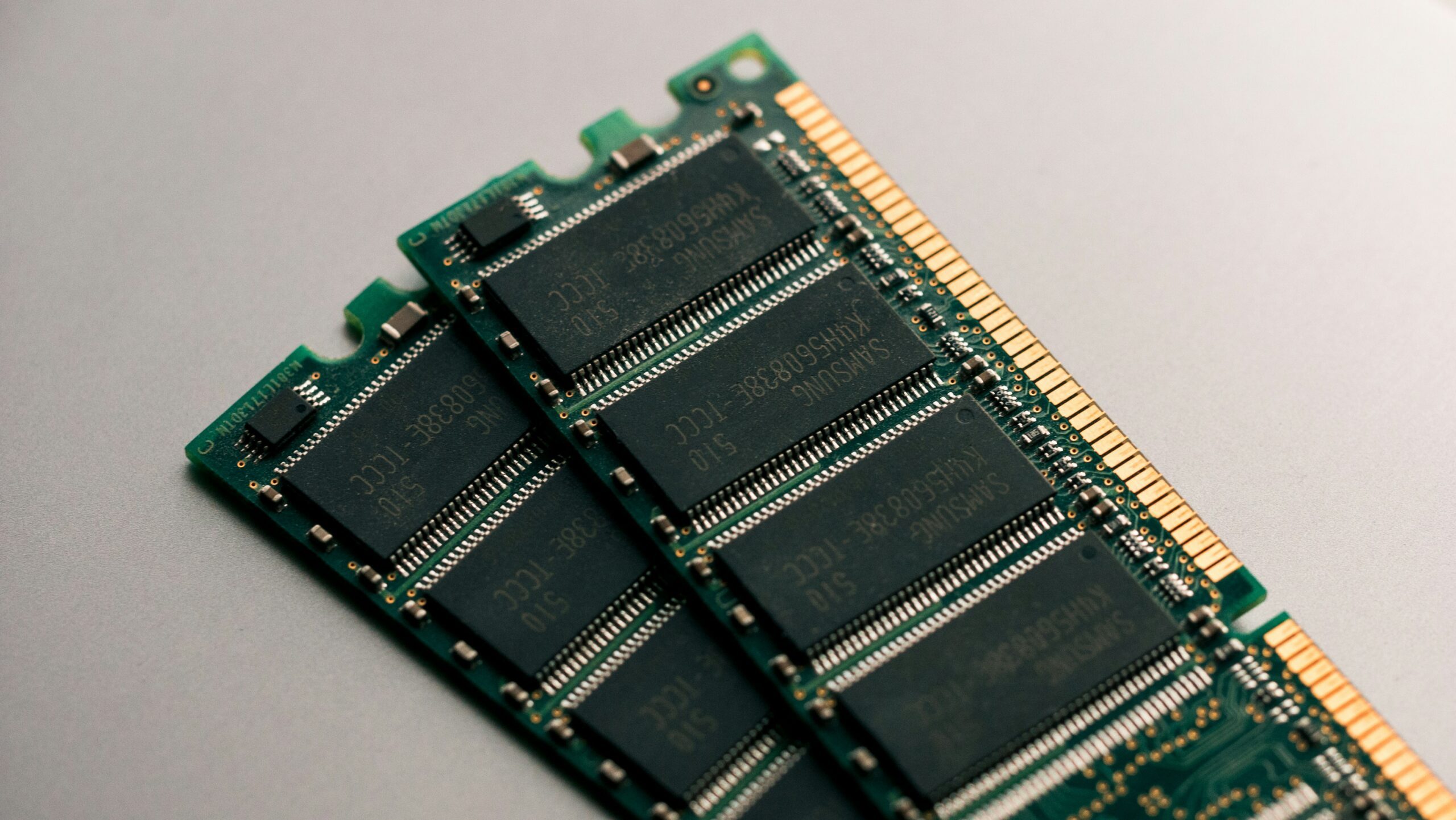
The core problem lies in where memory chips are going. Memory makers are prioritising supply for AI servers and data centres, where demand is booming, and margins are higher.

That has reduced the supply of standard DRAM and NAND used in laptops and desktops, reducing the availability for PC makers.

Lenovo has tried to protect itself by stockpiling memory and other key components and holding significantly higher inventory than usual. It helps keep production running, but it is not a long-term fix if shortages persist.

And it’s not just RAM prices that could stay high; experts warn that SSD storage costs might also rise, putting more pressure on overall PC pricing.

Reuters notes that analysts expect memory constraints to continue through 2026, keeping costs elevated across the hardware market. For consumers, that could mean fewer discounts and higher PC prices.

For Lenovo and other PC makers, it means navigating a market where AI demand is reshaping the economics of everyday computing. If you’re planning an upgrade, here are some better ways to optimize your existing memory.

Manisha Priyadarshini
Manisha Priyadarshini is a tech and entertainment writer with over nine years of editorial experience.
Windows 11 is getting Copilot on Microsoft 365 Business accounts again, unless you’re in Europe
The Office update method isn't an accident. It's specifically harder to block than the usual Microsoft Store install route.
Text, Computer Hardware, Electronics

In April 2026, Microsoft finally caved to user complaints and made Copilot removable from Windows 11. It became one of the most controversial additions to the operating system in years, which is why the company had to take such a drastic step. 

Two months later, it is installing it again. The only thing that has changed is the method. The bad news is that the new method is harder to stop. The good news, however, is that the change doesn’t affect all Windows 11 users. In fact, it doesn’t affect a majority of them. 

Read more
Timekettle’s new X1 Meeting Hub does real-time translation for 50 people and fits in your pocket
Fifty participants, five languages, one 199-gram hub, and no booth required.
Electronics, Screen, Computer Hardware

Professional conference interpretation setups are notoriously painful. Dedicated booths, trained interpreters, bulky hardware, and a bill at the end of every month that makes you rethink whether the meeting was even required in the first place. 

Timekettle wants to collapse all of that into a single hub that weighs 199 grams (less than modern flagship smartphones). The company just launched the X1 Meeting Interpreter Hub. 

Read more
Apple MacBook Air M5 review: Boring has never been this good
MacBook Air M5

Quick Take

The MacBook Air M5 is what happens when Apple keeps refining an already excellent laptop instead of reinventing it. On paper, the upgrades feel modest. The design is unchanged, the display is still 60Hz, and the M5 chip isn't delivering the dramatic leap that makes last year's model instantly obsolete. Yet after spending two weeks with it, none of that really matters.

Read more