  1. Home
  2. Computing
  3. News

This may be the first SteamOS handheld not made by Valve

Add as a preferred source on Google
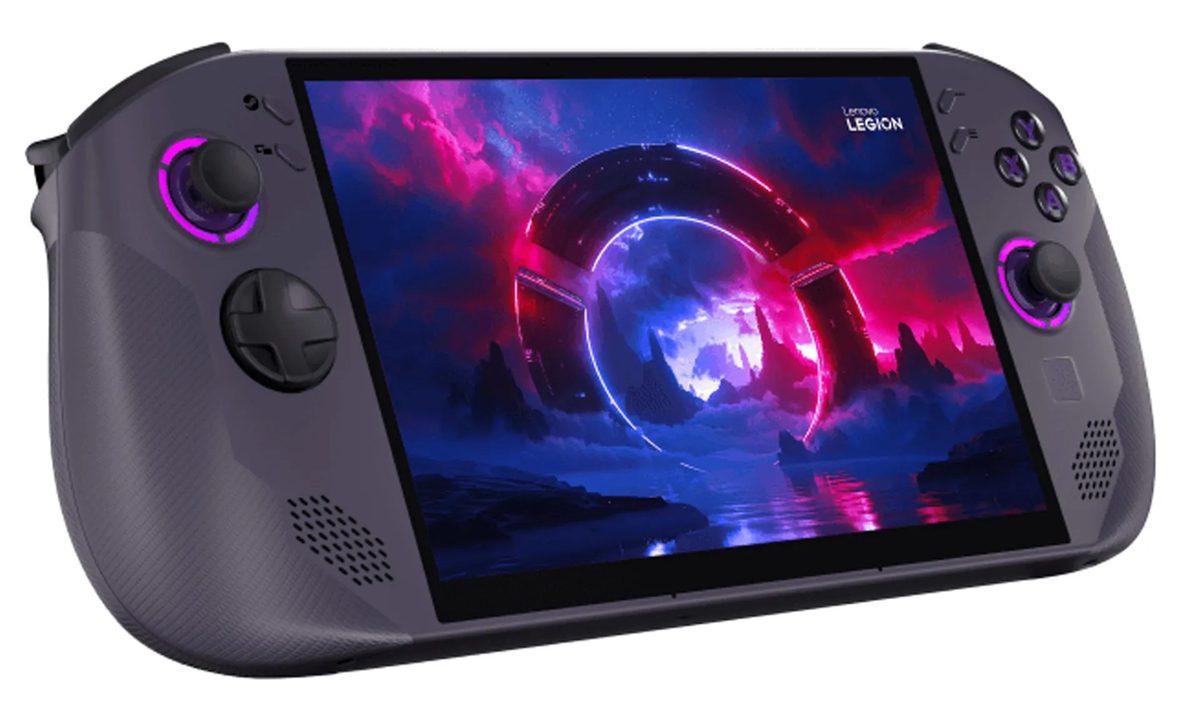
Leaked image of the upcoming Lenovo Legion Go S in black.
Evan Blass / X

Lenovo’s upcoming handheld console seems to be around the corner, as tech insider Evan Blass just shared images of what could be the Legion Go S. As per the images from the now-deleted X post, the console will come with a streamlined design and the option of black and white color variants.

What’s interesting though is if you look closely at the black variant, there is a dedicated Steam button near the left joystick. This suggests that Lenovo could be one of the first third-party manufacturers to launch a handheld gaming console based on SteamOS.

Recommended Videos

If that is the case, it would make Lenovo’s debut into the world of Linux-based handheld gaming, potentially opening doors to gaming solutions that cater to enthusiasts looking for a straightforward, portable experience. If you remember, back in August Valve had explicitly said that it was working on bringing SteamOS to other devices, including the Asus ROG Ally.
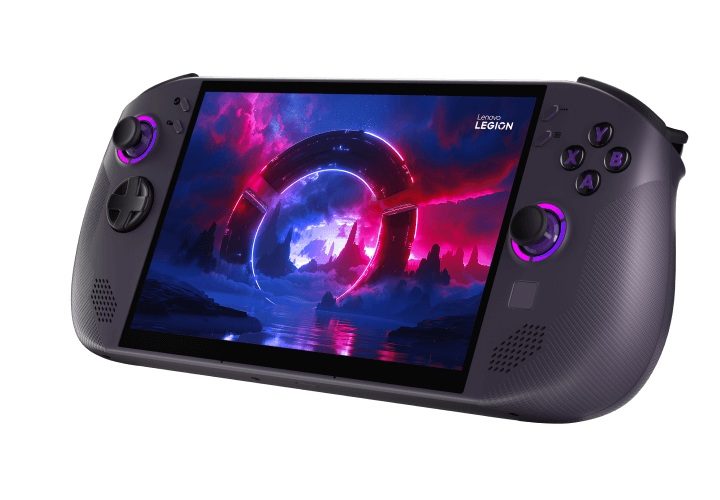
Evan Blass / X

According to The Verge, Lenovo’s potential launch of a SteamOS-powered handheld comes right after Valve updated its branding guidelines in a document to include “Powered by SteamOS” hardware. This update strongly indicates that Valve is expanding collaborations with third-party manufacturers beyond Asus, potentially certifying a wider range of devices for SteamOS compatibility.

Launching a handheld console with SteamOS makes a lot of sense too, as it is optimized for the Steam gaming platform, offering access to thousands of games in a handheld-friendly interface. SteamOS also supports Proton, a compatibility layer that allows many Windows-based games to run on Linux.

Unlike the Legion Go, which debuted with detachable controllers, the Legion Go S features a more traditional design similar to the Steam Deck and Asus ROG Ally. From what we can gather, the handheld comes with a standard D-pad, two joysticks with RGB LED lighting, XYAB buttons, and front-firing speakers.


The white variant is particularly interesting as it looks identical to the previously leaked images of an unfinished chassis that we saw a few months ago. Notably, the Steam key is not available on the white variant, which seems odd.

It is a possibility that Lenovo wants to give a secondary option to consumers by launching a Windows variant of the Legion Go S.
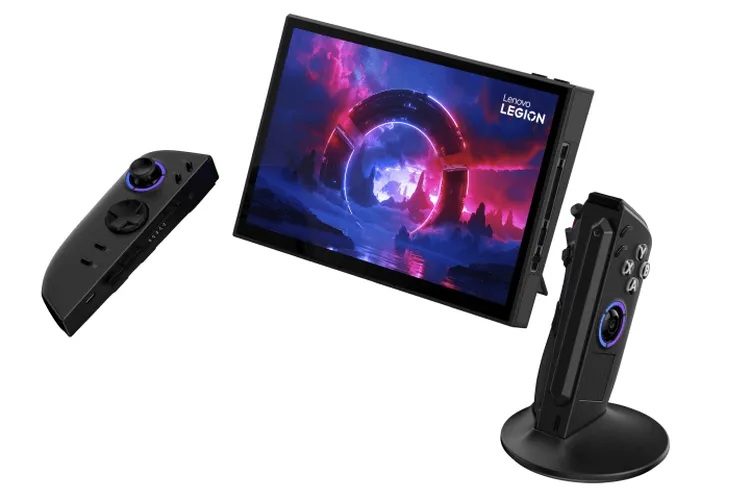
Leaked image of an upcoming successor to the Lenovo Legion Go.
Evan Blass / X

The Verge also reports that the Legion Go S will not be the only handheld that Lenovo plans to launch in the upcoming days. Blass has shared images of a new Legion Go (possibly a refresh) featuring the same detachable gamepads and a kickstand as the original. While there isn’t a lot of information on this device either, it will effectively come with an 8.8-inch OLED panel and most likely an upgrade to the new upcoming AMD Z2 Extreme chipset.

With CES 2025 only a few weeks away, we may not have to wait long to see what Lenovo and Valve have worked up.

Kunal Khullar
Kunal Khullar is a computing writer at Digital Trends who contributes to various topics, including CPUs, GPUs, monitors, and…
macOS 27 means the end of the Hackintosh Era, but does anyone still need one?
Apple's latest software update shuts the door on x86, but today's Macs have already made the original Hackintosh dream surprisingly accessible.
Apple macOS 27 With Hackintosh in background

While the tech world was busy obsessing over Liquid Glass, smarter Apple Intelligence features, and all the shiny new additions arriving with macOS 27 Golden Gate, Apple quietly slipped in another announcement at WWDC 2026 that didn't get nearly as much attention. Buried in the compatibility list was a simple but significant detail: Intel Macs are no longer supported. For millions of users, that's just another software update requirement. For a passionate corner of the internet that has spent nearly two decades bending technology to its will, it's something far bigger. It's the end of the traditional Hackintosh era.

If the term sounds unfamiliar, here's the quick version. A Hackintosh is a regular PC that's been modified to run macOS instead of Windows or Linux. Using community-developed bootloaders such as OpenCore and carefully selected hardware, enthusiasts managed to convince Apple's operating system that it was running on a genuine Mac. The process was anything but straightforward, but for many, that challenge became part of the fun.

Read more
Instacart is testing camera-ready AI shopping carts that sound convenient, but equally scary
Caper Carts promise faster checkout and personalized savings, but the cameras, location tracking, and on-cart ads make grocery shopping feel a lot less private.
Basket, Shopping Cart, Machine

Instacart's AI shopping carts are moving into select Weis Markets stores in Pennsylvania, with more locations planned this year. On the surface, the Caper Cart upgrade sounds useful, since shoppers can see a running total, clip digital coupons, use loyalty rewards, weigh items, and pay from the cart.

The privacy tension comes from the hardware needed to make that work. The carts include basket-facing cameras, outward-facing cameras, location-tracking systems, scales, touchscreens, and payment terminals, turning an ordinary grocery basket into a rolling sensor platform.

Read more
OpenAI wants an all-knowing personal AI agent for everyone on Earth
The company is framing personal AGI as the mass-market endpoint of its AI race.
openai-chatgpt

OpenAI is laying out a future where advanced AI reaches billions of people, not only the companies and governments racing to control it. Its latest plan centers on an AI for everyone, a personal AGI that would work as a deeply capable assistant for daily life, work, and discovery.

The company calls this its third phase. After proving the technology could work and turning it into products used at scale, OpenAI now wants to make powerful AI broadly available while pushing systems that can accelerate science and economic growth.

Read more