
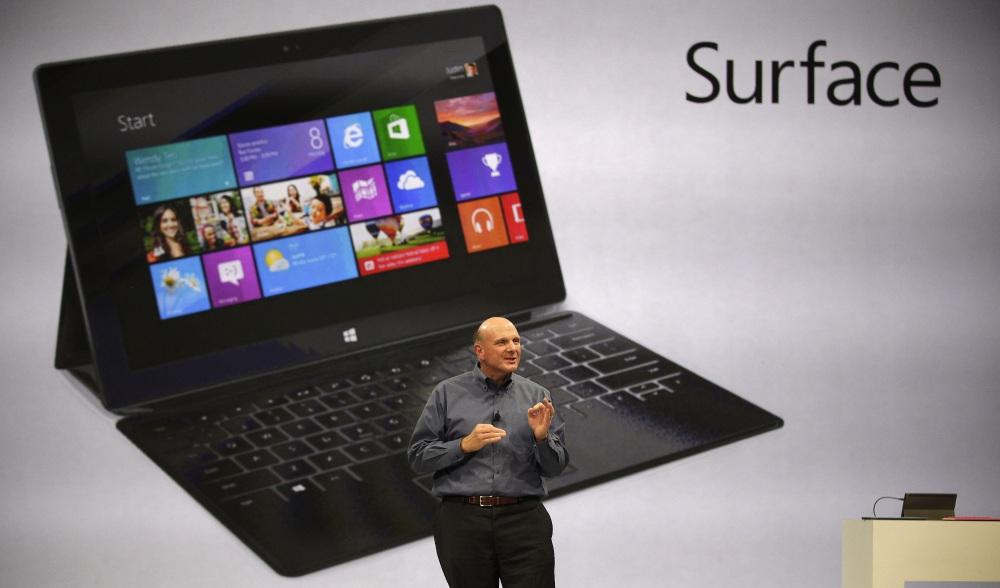
Microsoft isn’t immune to misfortune, or a failed product (see: Zune). The company’s been in the news a lot lately as it launched a big update to Windows 8 at its annual Build conference a few weeks ago. But it hasn’t just been Windows 8.1 talk we’ve been hearing; a slew of news has popped up – all revolving around the promotional sales and price cuts on some of Microsoft’s Windows 8 products.
With this week’s news of Microsoft paying resellers a bonus fee to sell Windows 8 products and a $150 price cut on the Surface RT tablet, it’s beginning to look like Microsoft’s getting desperate. But, looks can be deceiving. Is Microsoft sinking, or is it just treading water until it comes out on top?
Kickbacks and spiffs
Earlier this week, Microsoft announced plans to offer $5 to $10 kickbacks to resellers who sold one of the 21 select Windows 8 touch-enabled devices on the company’s list.
According to Rob Enderle, principal analyst at the Enderle Group and a contributor to Digital Trends, it’s normal for retail outlets to undercut one another. In fact, they’re called “spiffs,” and they’re generally used by companies who need to push a product off shelves that isn’t selling well. It’s a standard practice that’s been in business for a long time, but it’s a much different scenario when the company responsible for a specific product begins offering resellers incentives directly. Enderle told us that manufacturers don’t normally offer these types of incentives; it’s usually done by the reseller.
Offering kickbacks to resellers is a red flag, and it might hint that Windows 8 is failing to live up to expectations. It’s not surprising to see a manufacturer offer an incentive or promotion on a product that’s been out for a while, especially if a new version will come out soon, but Windows 8 and the Surface haven’t been on the market long. A bombardment of sales and deals shows desperation.
Microsoft’s recent sales push
Microsoft hasn’t just offered kickbacks to resellers, though. It’s steadily rolled out new promotions and incentives to the public. Microsoft unveiled an offer to provide a free version of Microsoft Office for anyone who purchased one of its small (7-inch or 8-inch) tablets. Also, in a limited-time offer, the company gave away free Type and Touch covers, formerly valued at $130 and $120, respectively, for its Windows Surface RT tablet to increase sales.
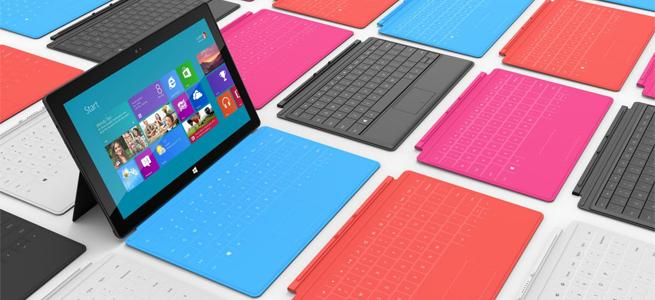
Now Microsoft is cutting the price of the Surface RT to $350 across all outlets, knocking $150 off the price. Staples confirmed the price cut on Friday.
We’ve also seen a variety of incentives offered to businesses and education institutions. Microsoft offered a huge price cut on Windows RT in an attempt to get more tablet manufacturers to create products featuring the software. It’s also luring educational institutions into trying its Surface RT device by cutting its price down to $200. The company even secured a $400 million contract with the NFL to have coaches use its Surface tablets on the sidelines during games.
A sinking ship?
So, are all the promos and kickbacks a sign that Microsoft’s Windows 8 devices are really struggling?
… it isn’t just Microsoft’s fault, but rather a change in the devices that people are interested in.
Enderle used Apple’s latest unveiling of OS X as an example of this type of practice, stating that Apple’s sales went down after the company released OS X, primarily due to the change in design of the OS. “It isn’t necessarily all the company’s fault when it comes to the release of a new product,” Enderle said. Whenever a company changes something drastically, there are growing pains across both vendors and the public.
We usually scream for updates to user interfaces, Enderle told us, but when a company does change things up, we often end up screaming because the change was more than we bargained for. Just look at the recent debacle with the Xbox One. Customers didn’t like that the Xbox One would only be available to play when connected to the Internet, so they hollered. Eventually Microsoft to changed its stance. The same thing can be said for Windows 8.1. Users didn’t like a lot of things about Windows 8. Within nine months, Microsoft whipped out 8.1.
Is it Microsoft’s greenness in the tablet industry that’s causing a lack of interest in its products, or is it something else? Maybe it’s the less than welcome reception that Windows 8 and Windows RT received over the last couple months. According to some analysts, Windows 8 is to blame for the decline in PC sales. According to Enderle, it isn’t just Microsoft’s fault, but rather a change in the “devices that people are interested in.” We’re entering an era where people are more interested in buying smartphones and tablets than they are notebooks and desktops. Portability reigns supreme, and as tablets become more and more capable, we may see a larger dip in PC sales.
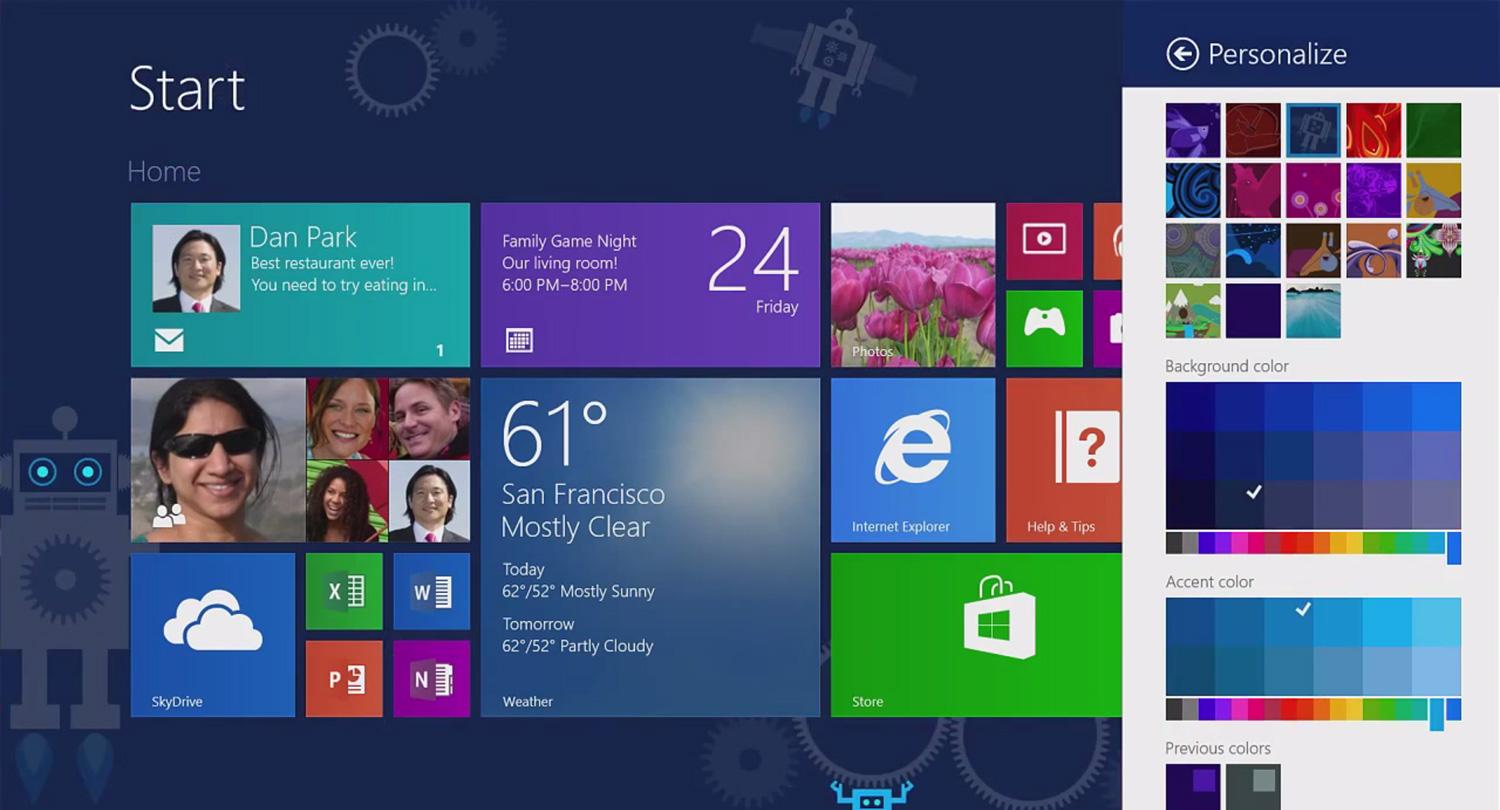
Clearly, Microsoft is pulling out all the stops to try to get its Windows 8 devices off shelves, but with a new promo popping up every other day, it’s obvious that the company is struggling. Every time we see another discount or offer, we cringe a little. Microsoft launched Windows 8 in a proud glory, with its head held high, but now it’s almost begging people to buy into its vision. Perhaps Windows 8.1 will be the extra ingredient that was missing before. Let’s hope that when 8.1 is released to the public in the fall, we’ll stop seeing so many desperate-looking attempts from Microsoft to sell its products – the products will sell themselves, and Microsoft will stop sinking and start riding the waves.
What do you think? Do you think Microsoft is losing ground? Do you blame Windows 8 for the late downturn in PC sales? Let us know in the comments section below.


