
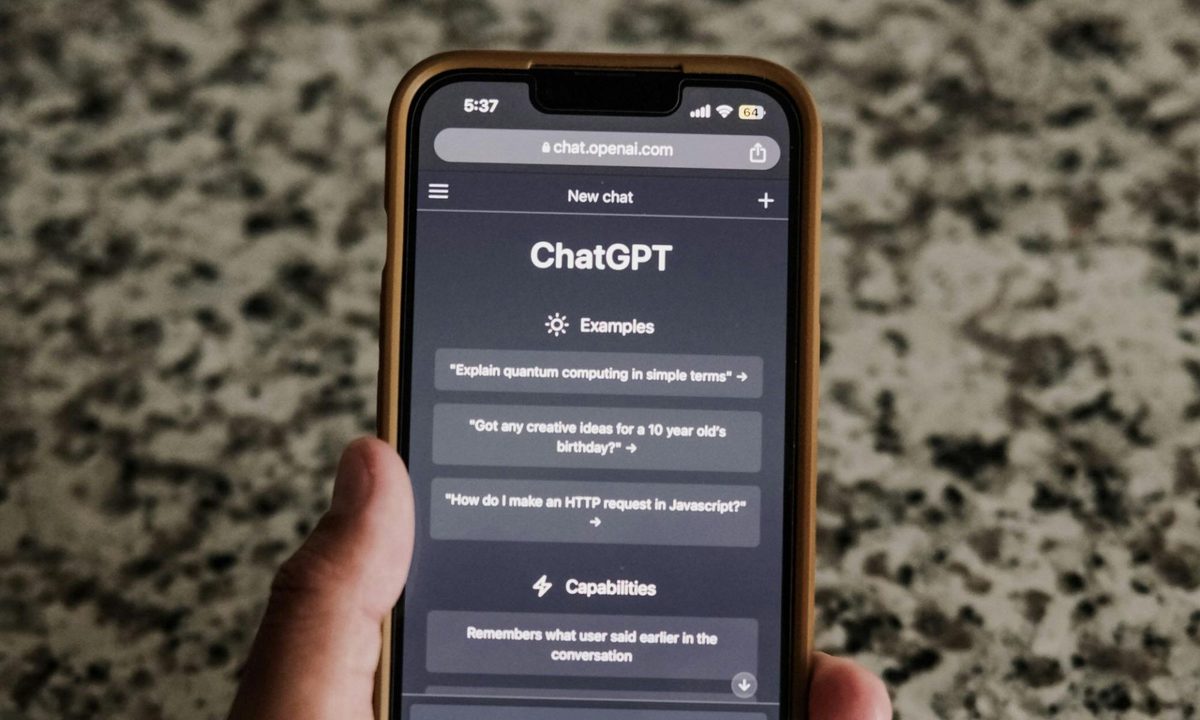
UK police have pinpointed an unexpected driver behind a rise in organized ritual abuse reports: ChatGPT. Survivors are turning to the AI chatbot to process trauma, and experts say that’s leading more people to disclose crimes involving satanism, witchcraft, and spiritual abuse.
Support groups report an ongoing rise in calls over the last 18 months, with many crediting the AI tool with prompting them to seek help. The National Association of People Abused in Childhood says people are contacting its support line and mentioning that ChatGPT referred them.
These crimes, classified as “witchcraft, spirit possession and spiritual abuse,” typically involve sexual abuse, violence and neglect paired with ritualistic elements meant to control victims. Perpetrators range from abusive families to organized networks and pedophile rings.
The National Police Chiefs’ Council has now formed a specialist working group and is rolling out training for forces nationwide. The effort follows a research review suggesting convictions so far represent just the tip of the iceberg.
The AI referral surge
Napac CEO Gabrielle Shaw said the charity has seen a steady increase in ritual abuse reports over the last 18 months, breaking from the usual pattern. Calls normally spike around dates with supernatural significance. This is different.
“Over the last six months to a year, we’re getting people contacting the Napac support line saying ‘I was referred to you by ChatGPT’,” Shaw said. People are using the AI tool for therapy and exploration, she explained, and any path to professional support matters. Satanism comes up a fair bit in those conversations.

Only 14 criminal cases since 1982 have formally acknowledged ritualistic practices in sexual abuse. Clinical psychologist Dr Elly Hanson reviewed the issue last year and determined those convictions reflect a fraction of actual cases.
Why the justice gap persists
The ritual elements themselves have hindered prosecution. Because details can sound “fantastical,” the system has historically dismissed reports. Richard Fewkes, director of the Hydrant Programme, said authorities must improve, acknowledging this abuse rarely reaches police.
Victims grow up in what Dr Hanson called “regimes of cruelty,” but the truth gets buried between public skepticism and conspiracy theories. The abuse occurs within white British families, sometimes privileged ones, with survivors naming grandmothers and aunts as perpetrators.
Last year members of a Scotland pedophile ring who posed as witches and wizards were jailed, offering a rare conviction. But experts say such cases remain exceptions.
New training, new path forward
The NPCC, Napac and the Hydrant Programme released a formal briefing this month for professionals on witchcraft, spirit possession and spiritual abuse. The goal is preparing officers to handle these cases when survivors step forward.
For those using ChatGPT as an initial disclosure tool, Shaw sees reason for optimism. If the technology leads people to professional help, she said, that represents progress. The sustained rise in reports suggests the chatbot is reaching survivors who might otherwise remain silent.
With specialist training underway, the system is finally adapting to crimes it has long overlooked. For victims enduring what Hanson described as “regimes of cruelty,” the convergence of AI access and police reform may offer a clear path out.


