
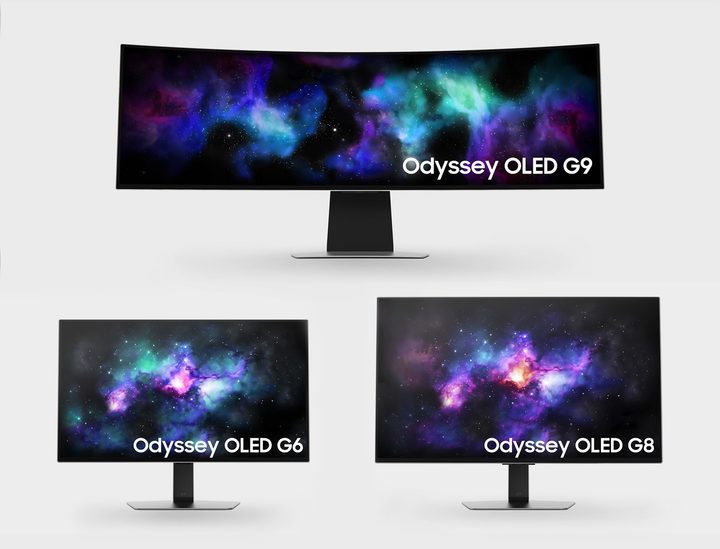

Samsung has a slate of new OLED gaming monitors, too. Two weeks after LG revealed the first 480Hz OLED gaming monitor, Samsung is bringing three displays of its own to the conversation, all of which we’ll see on display at CES 2024. Samsung might be entering the fight with LG at a disadvantage, though.
I’m talking about the new Odyssey OLED G8, or the OLED G80SD. Unlike 2023’s Odyssey OLED G8, this one is a 32-inch, 4K display, the first flat 32-inch OLED gaming monitor that Samsung created. The critical spec here is the refresh rate. Samsung says the display can reach 240Hz, which is great, but it’s not on par with what LG boasts.
Samsung has championed the 240Hz refresh rate for a couple of years, starting with the 4K Neo G8 in 2021. The new OLED G80SD delivers what gamers have wanted — a 4K OLED gaming display with a high refresh rate — but it definitely takes a backseat to LG’s 480Hz offering we heard about just a couple of weeks ago.
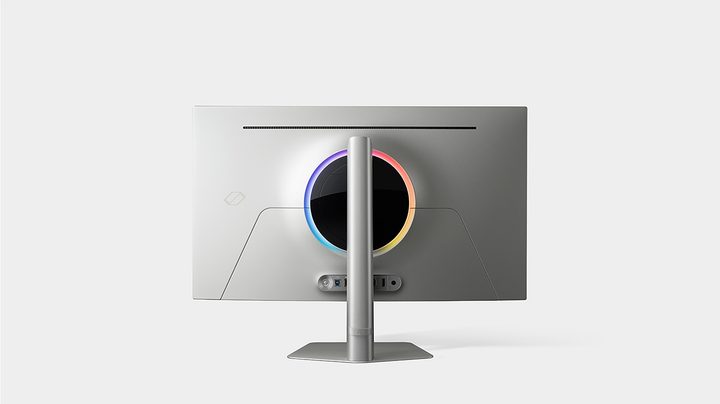
It’s not too far behind, though. LG’s latest offering boasts a 480Hz refresh rate, but only at 1080p. It, too, is a 32-inch, 4K, 240Hz display, but LG offers its new dual refresh rate feature that allows you to bump down to 1080p for a higher refresh rate.
It doesn’t seem like Samsung’s new gaming monitor will have that option, though it has some other goodies to make up for it. Like last year’s Samsung OLED monitors, this new batch includes the Neo Quantum processor inside, as well as Samsung’s Tizen operating system. That gives you access to a slew of smart TV apps, Samsung Game Hub, and features like Samsung Multi View for picture-in-picture and picture-by-picture modes.
For the OLED G80SD in particular, Samsung says the display is “extremely thin,” clocking in at just 3.9 millimeters. It also comes with a metal height-adjustable stand, Samsung’s CoreLighting+, and a peak brightness of 450 nits.
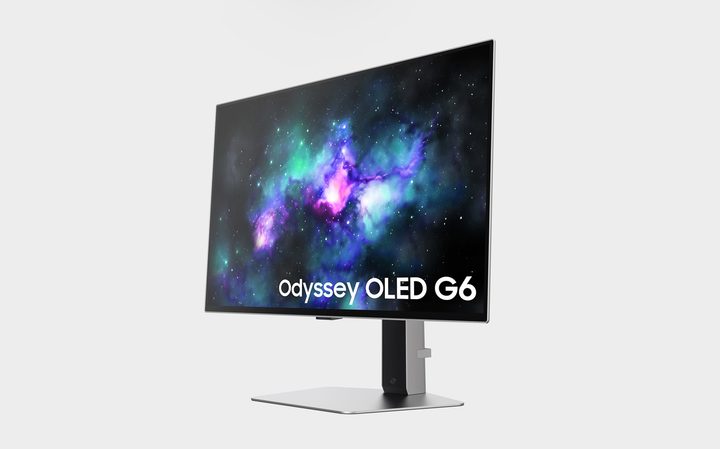
As for the other monitors, the OLED G60SD is Samsung’s take on 1440p. It’s a 27-inch display with a resolution of 2560 x 1440 and a blistering 360Hz refresh rate. It, too, comes with CoreLighting+ and a metal stand, and of course, it uses an OLED panel. Notably, this is the first time Samsung is releasing a 1440p OLED display. Last year, we saw a crop of them like the LG UltraGear OLED 27, though with a lower refresh rate.
Finally, Samsung is updating its Odyssey OLED G9 with the G95SD. Like last year’s design, this monitor features a 49-inch, 32:9 display with a resolution of 5120 x 1440 and a 240Hz refresh rate. We don’t know too many details about this display yet, but it appears similar to last year’s model, just with an updated design for 2024.
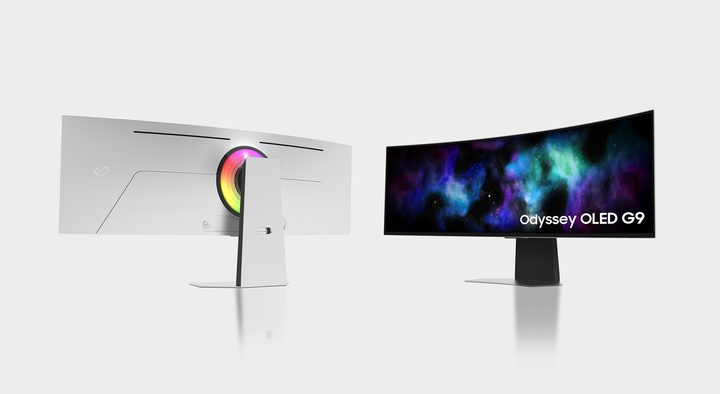
All three of the displays are debuting Samsung’s OLED Glare-Free tech, which “minimizes daylight and ambient light reflection so you can use it at any time of day.” In addition, the displays are certified with DisplayHDR True Black 400 and AMD FreeSync Premium Pro.
That’s about all we know about the displays for now, though. Samsung hasn’t announced pricing or a release date, both of which will be critical factors compared to the LG competition. We expect to see the displays at CES, so it shouldn’t be long before we have more details.


