
As interest in the metaverse heats up, many companies are pouring more resources into virtual and augmented reality — except one. Valve may be shifting its focus from VR to its already sold-out Steam Deck, according to recent rumors.
Valve insider Tyler McVicker put out a YouTube video detailing Valve’s plans (or lack there of) for virtual reality. McVicker points out that most of the company has lost interest in VR completely. This is mostly due to the massive success of Meta (formerly Facebook) putting out relatively low-cost headsets under the former Oculus brand and buying out many big VR developers. Instead, Valve is focusing its efforts on showcasing the versatility and power of its upcoming Steam Deck portable gaming PC.
As far as the refocus on the Steam Deck, the company was apparently working on a VR title called “Project Citadel,” but is now reworking the game for the Steam Deck to show off its capabilities. According to a Reddit post also reporting about McVicker’s video, Project Citadel will be some kind of hybrid shooter/real-time strategy game and is set to be revealed within the next two years.
This entire rumor is interesting considering how the rest of the industry is trying to take advantage of virtual and augmented realities technologies to create the metaverse — or at least extend it to new territory. Facebook literally changed its name to “Meta” to reflect its focus on building the metaverse and headsets that transport you to it.
Unity purchased visual effects studio Weta Digital with ambitions to shape the “future of the metaverse.” Nvidia’s CEO believes the metaverse will be a larger economic force than the real world. Even Microsoft is trying to transform Teams into a “gateway to the metaverse.”
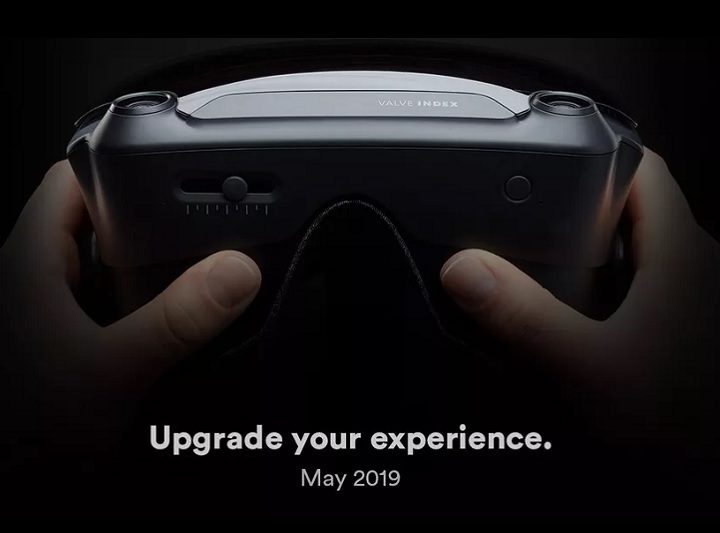
Valve was one of the earliest commercial successes in VR, with many hardware companies adopting Valve’s SteamVR platform. HTC’s Vive headsets have been competitive with Meta’s Rift and Quest lineups, as has Valve’s own Index headset. The excellent Half-Life: Alyx is a VR showcase and arguably one of the best VR games on the market.

Meta has made several big VR purchases that help bolster its own VR headset platform. In 2019, Facebook bought Beat Games, developer of the massively popular VR title Beat Saber. Combined with the success of the Oculus Quest 2, which doesn’t require a beefy gaming PC, Meta is definitely in a position of strength in regard to the VR market.
On the other hand, the Steam Deck is one of the most anticipated pieces of gaming hardware right now. Valve has delayed shipments of the Steam Deck to next year citing component shortages and demand.
Given the state of PC hardware (especially graphics cards), the Steam Deck provides a much easier and portable way to get into PC gaming while being more powerful and versatile than the Nintendo Switch.
Valve has since provided a response to IGN about the rumors that downplay the accuracy of McVicker’s claims:
“It’s good to view [Valve News Network content creator Tyler McVicker’s] coverage with a healthy dose of skepticism. We think it’s important to reiterate that while Tyler is a passionate gamer, he has no inside information about what goes on at Valve. As you know, any important announcements on projects that we are or aren’t working on will come directly from us.”


