

Apple is finally stepping into the smart glasses space. For this, the company is asking an important question: Would you actually wear these outside? This is the most important thing, because this is where most smart glasses have historically fallen apart. Rather than locking itself into a single, safe design, Apple is reportedly exploring multiple frame styles for its first pair of AI glasses. And not minor tweaks either — we’re talking distinctly different silhouettes.
There’s a bold, chunky rectangular option that leans into classic sunglasses territory. Then a slimmer, more understated rectangular design that feels a bit more executive-core. On the other end, Apple is also experimenting with rounded frames, both oversized and more refined — clearly trying to cover as many style preferences as possible. In short, Apple is designing a small collection, and that’s a smart move. Because what works for one face can look wildly off on another.
Colors that don’t play it safe
The experimentation doesn’t stop at shapes. Apple is also playing around with different finishes and colors, moving beyond the predictable blacks and greys. You can expect color options that are a bit more expressive, like deep blues, softer browns, and likely a few classic tones to keep things grounded. I think this is nice because different colors will make it easier to recognize the glasses in a crowd. Apple definitely wants these glasses to have that instantly familiar look, the kind where you can spot them across a room and just know what they are.
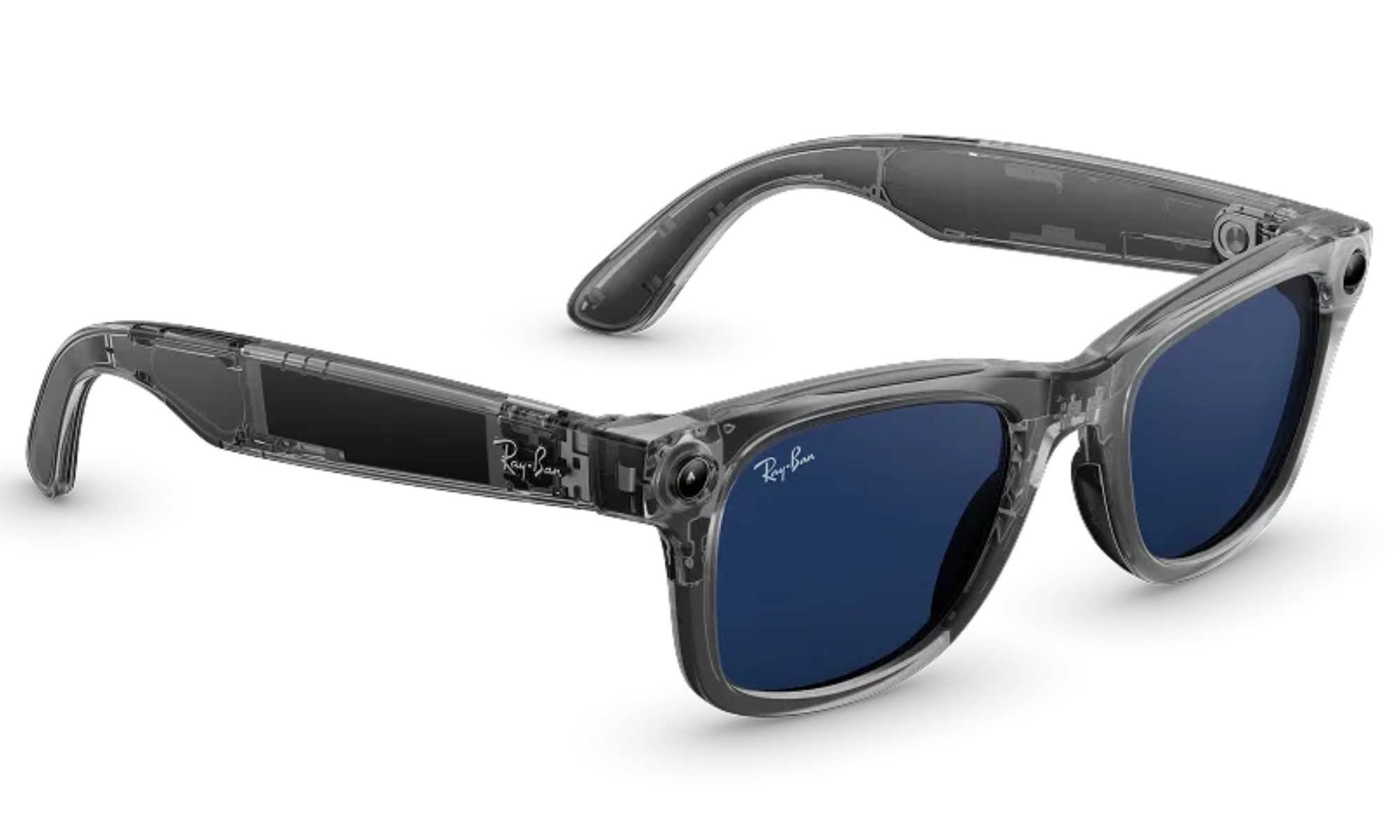
Interestingly, Apple is also paying attention to what these glasses are made of. Instead of settling for standard plastic, the company is reportedly leaning toward more premium materials; something that feels durable, polished, and, importantly, worthy of the price tag Apple will almost certainly attach. Because if you’re asking people to wear a piece of tech on their face all day, it can’t feel like a gadget. It has to feel like something you’d willingly choose, even without the tech.
The bigger idea
What’s becoming clear is that Apple doesn’t just want to enter the smart glasses market; it wants to redefine the category. And that’s where the focus on multiple designs and colors starts to make sense. This isn’t about offering choice for the sake of it. It’s about increasing the odds that at least one version feels like you.

Apple’s AI glasses may still be a while away, but one thing is already obvious: the company knows this product lives or dies by design. Because no matter how smart the tech is, if the glasses don’t look right, they’re not leaving the house. And Apple would very much like them to.


