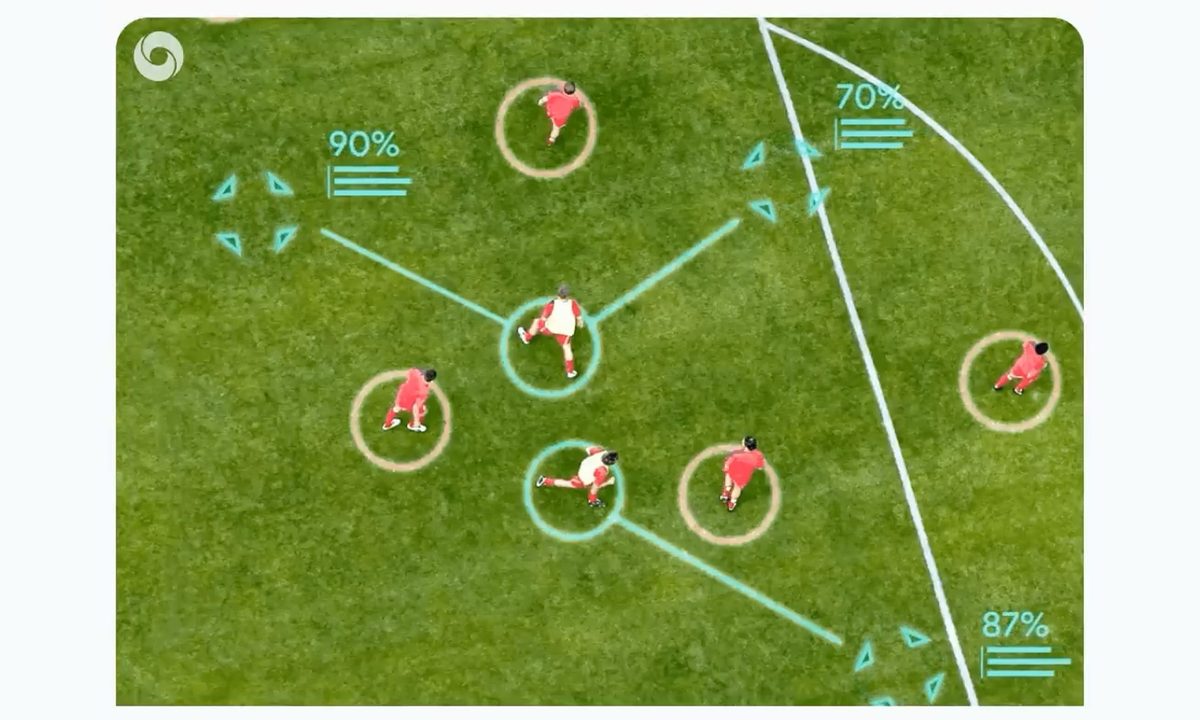
Football managers spend countless hours analyzing corners, free kicks, and player positioning in search of tiny competitive advantages. Google DeepMind believes artificial intelligence can make that process significantly faster, and its latest project, TacticAI, is designed to do exactly that. TacticAI is a football-specific AI assistant capable of modeling player movement, forecasting future play dynamics, and even recommending tactical adjustments for corner kicks. One of its standout abilities is predicting player trajectories up to eight seconds into the future using only broadcast-style visual data.
TacticAI was built with Liverpool FC and validated by football experts
Unlike general AI models, TacticAI focuses specifically on football tactics. Using geometric deep learning, the system analyzes the positions and interactions of players during corner kicks before generating predictions about what could happen next and suggesting alternative player arrangements that may improve outcomes.
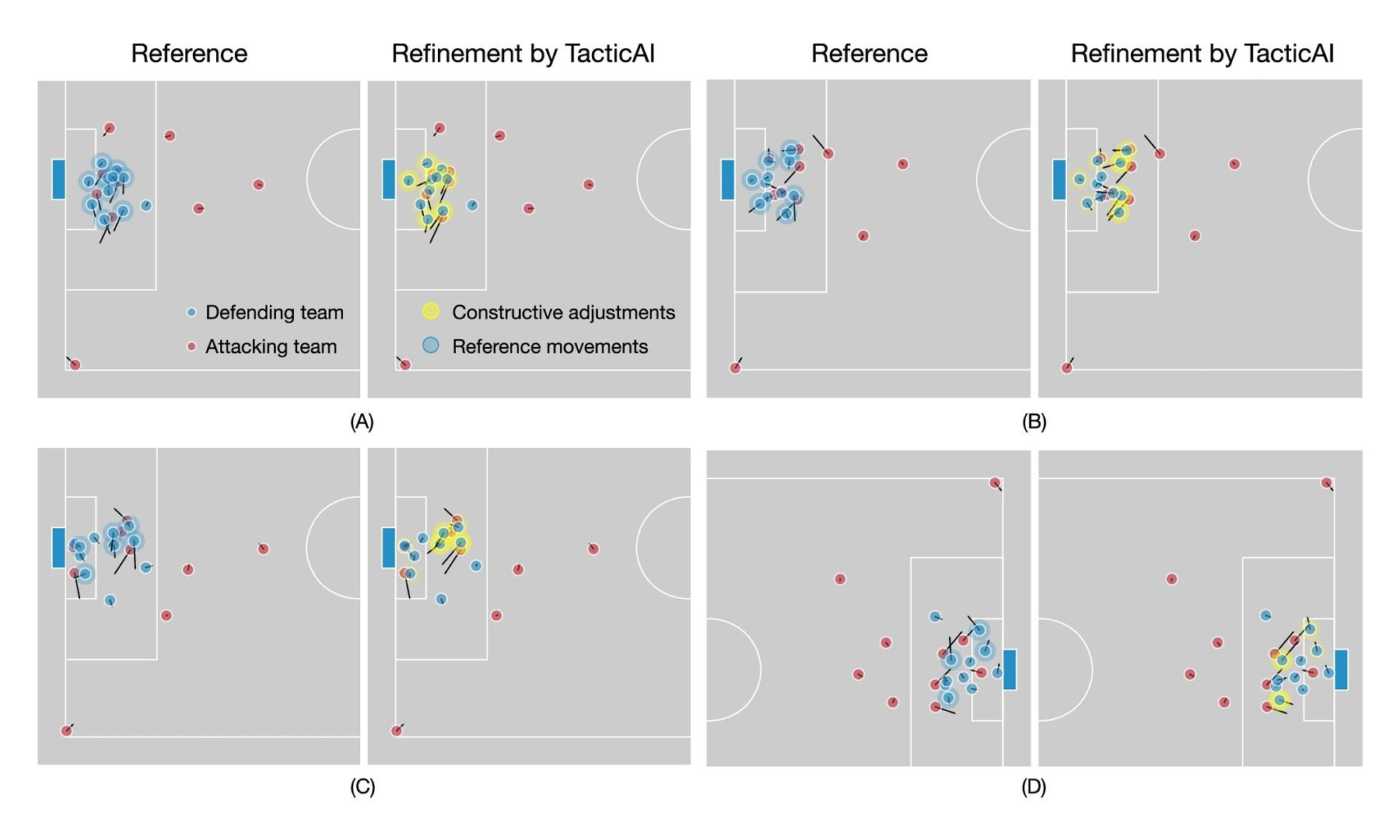
Perhaps more importantly, the model wasn’t just tested in a lab. Google says its usefulness was evaluated through a qualitative study with football experts at Liverpool FC, who compared the AI’s recommendations against real match scenarios. According to the published research, experts preferred TacticAI’s suggested tactical setups 90 percent of the time over the original match configurations, highlighting the system’s practical value rather than just its statistical performance.
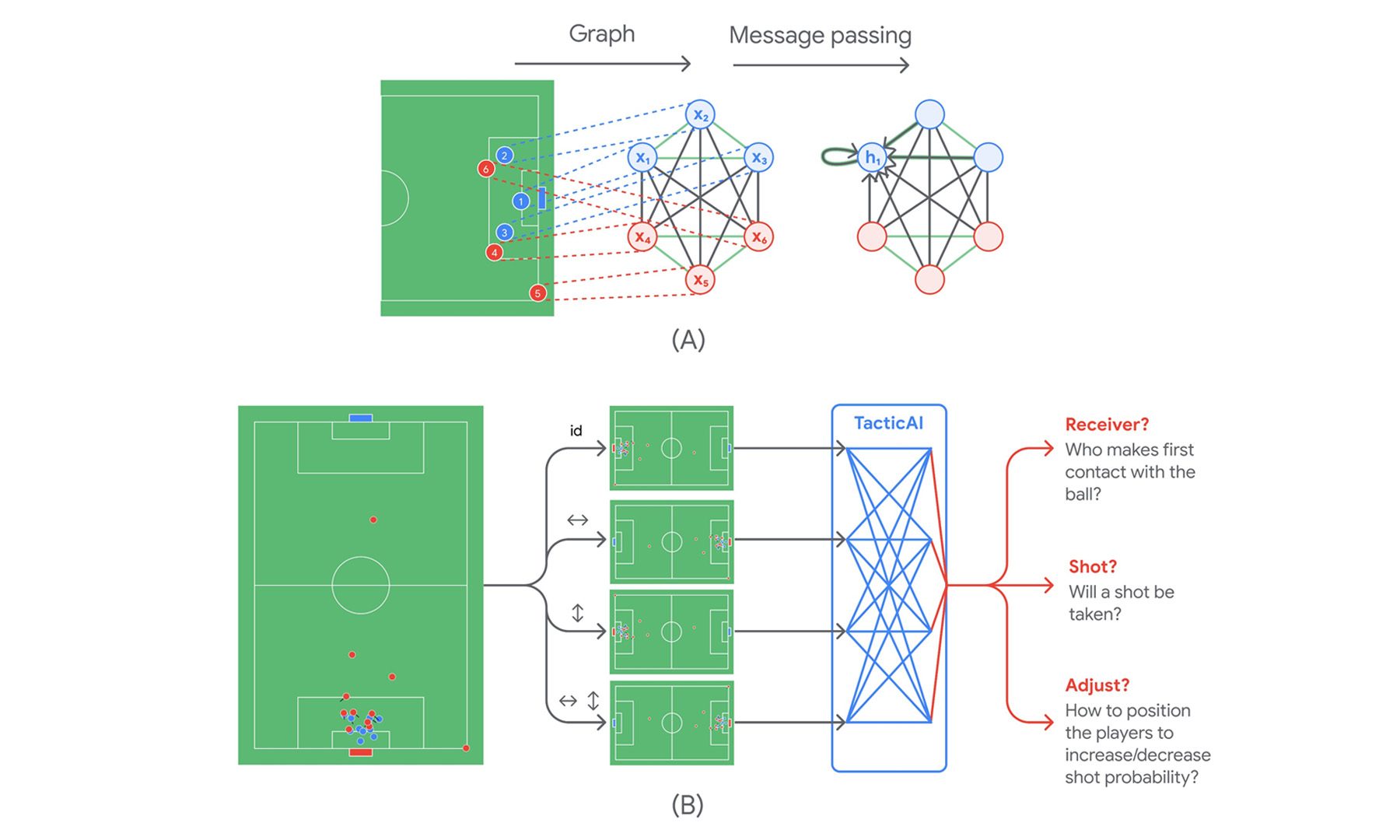
The benchmarking results are equally impressive. TacticAI outperformed existing baseline models in predicting both the likely receiver of a corner kick and whether a shot would occur afterward, while also generating realistic alternative player layouts that closely resembled genuine professional match situations.
This could be much bigger than football
The research is already moving beyond the lab. Google DeepMind has now announced a partnership with Brazilian football club Palmeiras, making it the first team to meaningfully build on TacticAI to simulate on-field scenarios and predict open-play dynamics up to eight seconds in advance. If successful, it could mark the beginning of AI becoming a genuine tactical assistant on the sidelines, not just another analytics tool running in the background.
What’s more, is that the underlying technology has applications far beyond sports. Similar predictive models could one day assist autonomous robots, traffic systems, logistics planning, or any environment where understanding and forecasting coordinated movement is critical. And perhaps that’s the most fascinating part of TacticAI. On the surface, it looks like an AI built to help coaches win football matches. Underneath, it may be quietly laying the groundwork for machines that understand and anticipate complex real-world interactions before they unfold.