1. Home
  2. Emerging Tech
  3. Cars
  4. News

Singapore builds on autonomous vehicle progress with driverless bus pilot program

Add as a preferred source on Google

Singapore already is home to a fleet of self-driving cars that can be hailed with a smartphone. Soon, residents and visitors to the city may be able to choose a driverless bus as one of their available transportation options for moving around the Asian city. And we are not talking small buses here; Singapore is going big and rolling out two 40-foot-long driverless buses that are controlled robotically.

The driverless bus trial is the result of a partnership between Nanyang Technological University (NTU) and CleanTech Park, an eco-business park that encourages the development of clean technology. The pair has already worked together on driverless cars, developing and operating a self-driving shuttle between the university’s campus and the CleanTech business park. The shuttle has been in operation since 2013.

Recommended Videos

NTU will use its knowledge and experience from the shuttle trial as it develops its driverless bus system. The researchers plan to equip two electric hybrid buses with the sensors and software system to pilot the bus through the crowded city streets. “So, this autonomous bus trial is the first of its kind in Singapore that will aim to improve road safety, reduce vehicle congestion, alleviate pollution and address manpower challenges,” said NTU Chief of Staff and Vice-President of Research Lam Khin Yong to Channel News Asia.

Similar to the shuttle, the buses initially will transport passengers between NTU and CleanTech Park with plans to extend the transportation network to include the outlying Pioneer MRT Station in the future. Unlike the smaller shuttles which provide taxi-level service, the larger single deck buses are capable of carrying up to 80 passengers, providing city dwellers with a mass transit option.

The pilot program will be administered by Singapore’s Land Transport Authority (LTA) along with NTU. Results of the pilot will be analyzed by the LTA along with Google, which is known for its work on driverless car technology. Using feedback from the trial, the LTE hopes to extend the driverless bus system beyond its initial college campus route and bring it to additional transit stations in the city.

Kelly Hodgkins
Kelly's been writing online for ten years, working at Gizmodo, TUAW, and BGR among others. Living near the White Mountains of…
China will put a unique ID code on humanoid robots, just like citizen ID for us humans
China is treating its humanoid robots like citizens. assigning each one a unique ID code from birth to recycling.
Robot with four arms

China has launched a national programme that will assign every humanoid robot manufactured in the country a unique digital identity code, effectively a citizen ID, but for bipedal machines (those that can balance and walk/run on two legs). 

The initiative, called the Humanoid Full Lifecycle Management Service Platform, was announced on Friday. It is led by the Humanoid Robotics and Embodied Intelligence Standardization committee, which is under China's Ministry of Industry and Information Technology (via South China Morning Post).

Read more
Romantic AI bots continue to ruin lives, and the latest horror story is simply shocking
A story that sounds like Black Mirror, except it’s completely real.
Man using phone on bed

For years, romantic AI relationships felt like distant sci-fi fiction, but reality caught up far faster than anyone expected, and it’s looking deeply unsettling already. A disturbing new Wall Street Journal report details how a 57-year-old man became emotionally obsessed with a customized ChatGPT companion named “AImee,” eventually spiraling into delusions, financial loss, hospitalization, and fractured relationships.

One ChatGPT companion reportedly spiraled into obsession and delusion

Read more
China’s DeepSeek trims the price of its flagship AI model by 75%, and it could be a huge shift
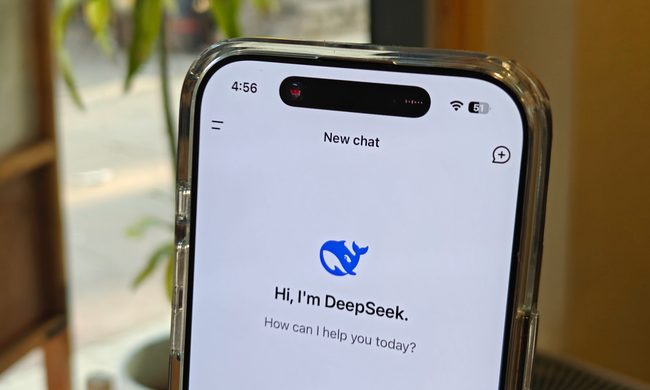
DeepSeek AI chatbot running on an iPhone.

Chinese AI startup DeepSeek just made one of the boldest pricing moves in the artificial intelligence race so far. The company announced it is permanently slashing the cost of its flagship V4-Pro AI model by 75%, bringing prices down to just a fraction of what developers were paying only weeks ago. AI companies worldwide have been facing two major problems: high infrastructure costs and limited access to high-end AI chips. So when a company suddenly cuts prices this aggressively — and permanently — it usually signals something important is changing behind the scenes.

DeepSeek says usage costs for V4-Pro now range from 0.025 to 6 yuan per million tokens, depending on workload type, down sharply from the previous pricing range of 0.1 to 24 yuan per million tokens. For developers building AI apps, agents, and services, that kind of drop could significantly lower operating costs.

Read more