  1. Home
  2. Cars
  3. News

Samsung’s OLED tech gives the Ferrari Luce a dashboard unlike anything in a car before

Samsung Display just put its best display work not in a phone, but in a Ferrari.

Add as a preferred source on Google
Ferrari Luce
Ferrari Luce Ferrari

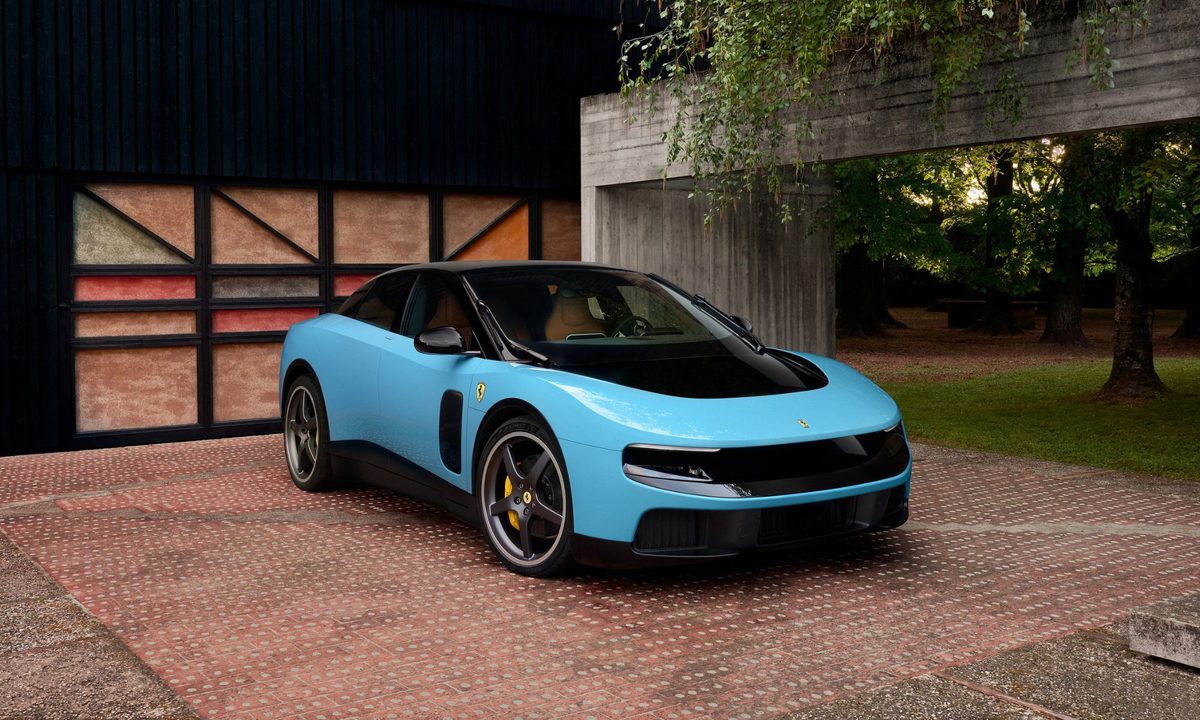
Ferrari just unveiled the Luce, its first all-electric car, and its design has been really divisive. Designed by former Apple design chief Jony Ive, the car is definitely turning heads, and not all for the right reasons. 

That said, while the exterior design is controversial, very few people can deny that the car’s interior is unlike anything you have seen before. One of the first things that stands out is the futuristic display aesthetic.

Recommended Videos

I think the dashboard deserves its own spotlight. Samsung Display is exclusively powering the Luce’s interior with four OLED panels, and what they have pulled off here is genuinely cool.

So what makes this dashboard so special?

The star of the show is the driver’s binnacle, the cluster in front of you that displays speed and driving information. Ferrari and Samsung have stacked two OLED panels on top of each other, a 12-inch panel on the bottom and a 12.9-inch panel on top. 
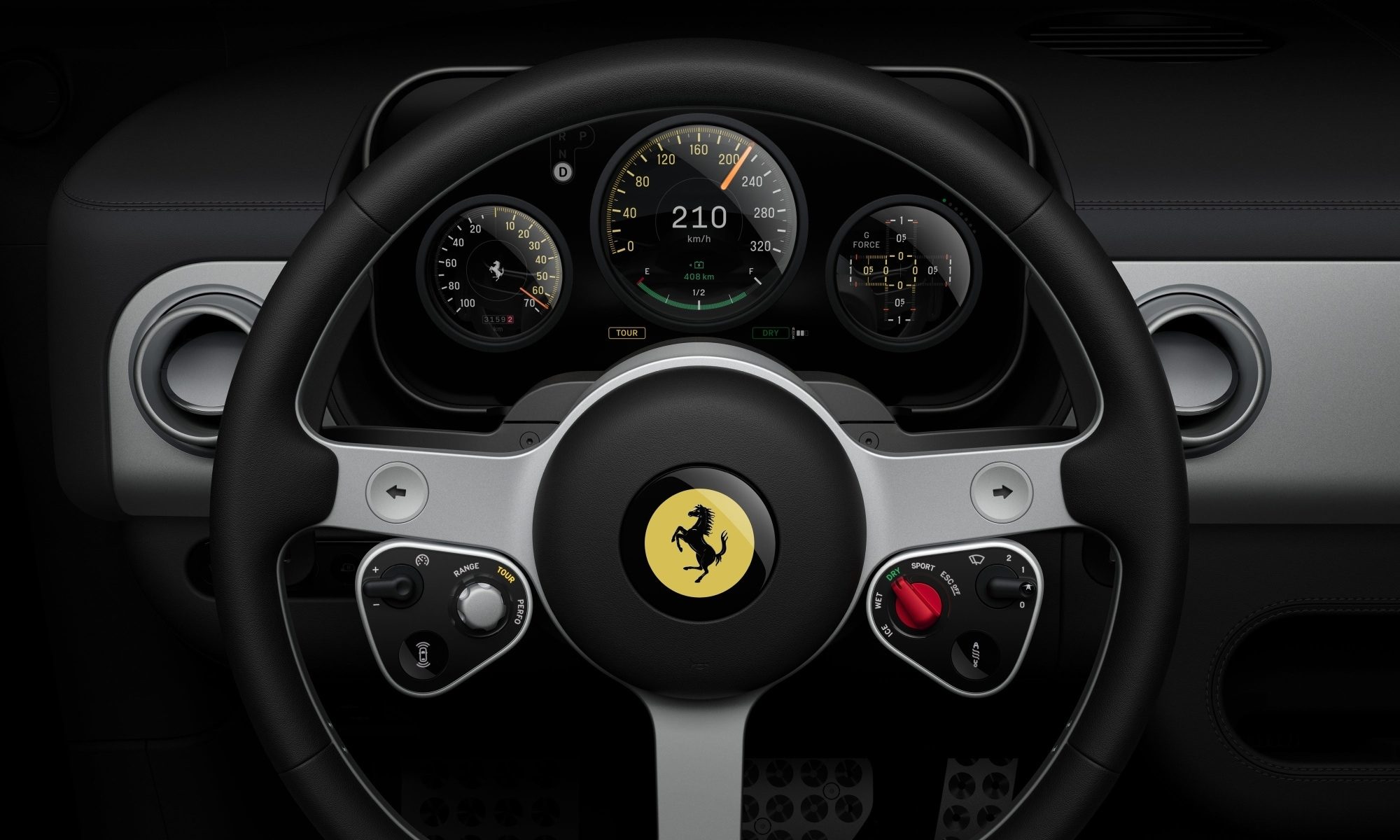
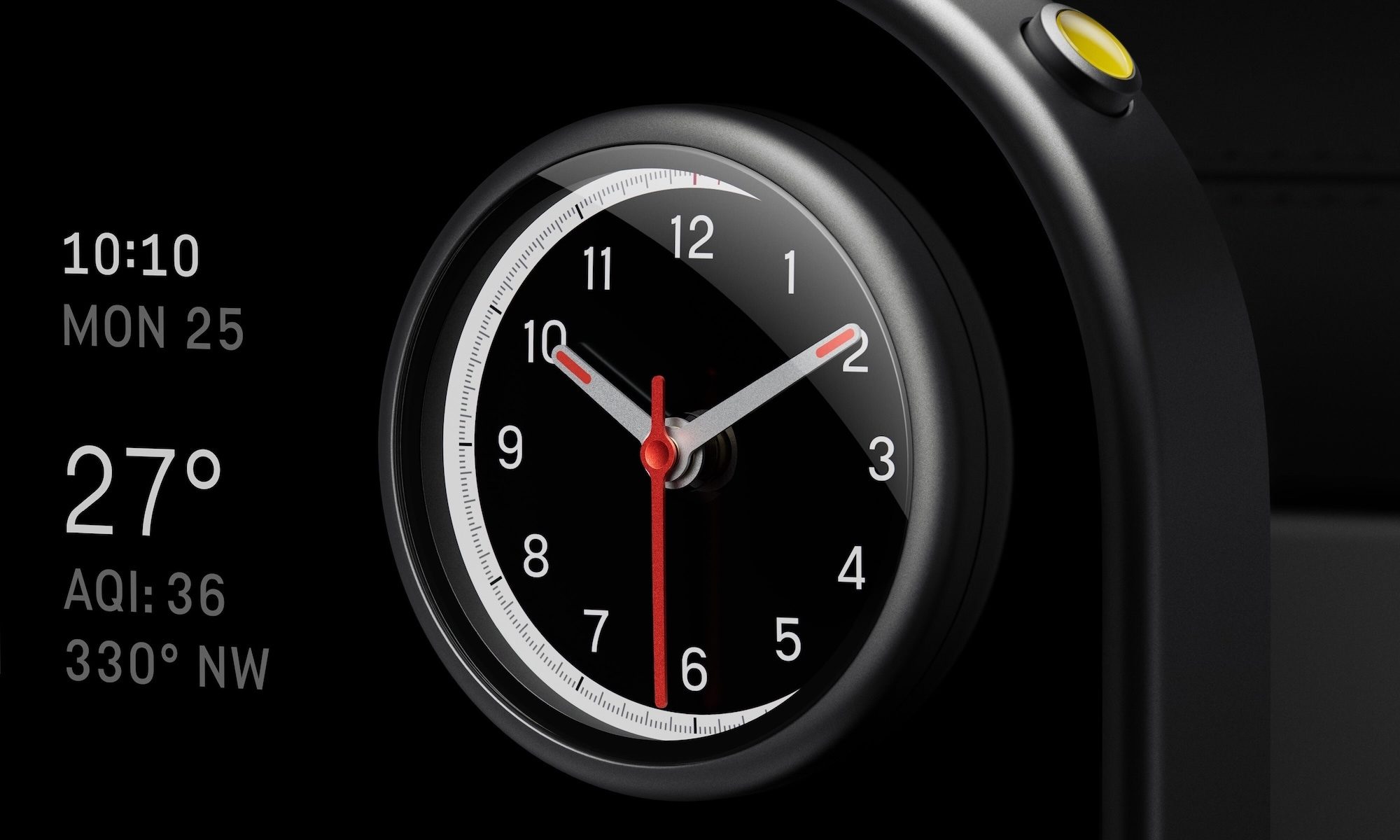
The upper panel has three circular cutouts that let you see the display underneath, while physical mechanical hands move in the gap between the two panels. It looks digital, but it feels analogue, and that’s the whole point. I have not seen this in any car before, and it’s generally awe-inspiring. 

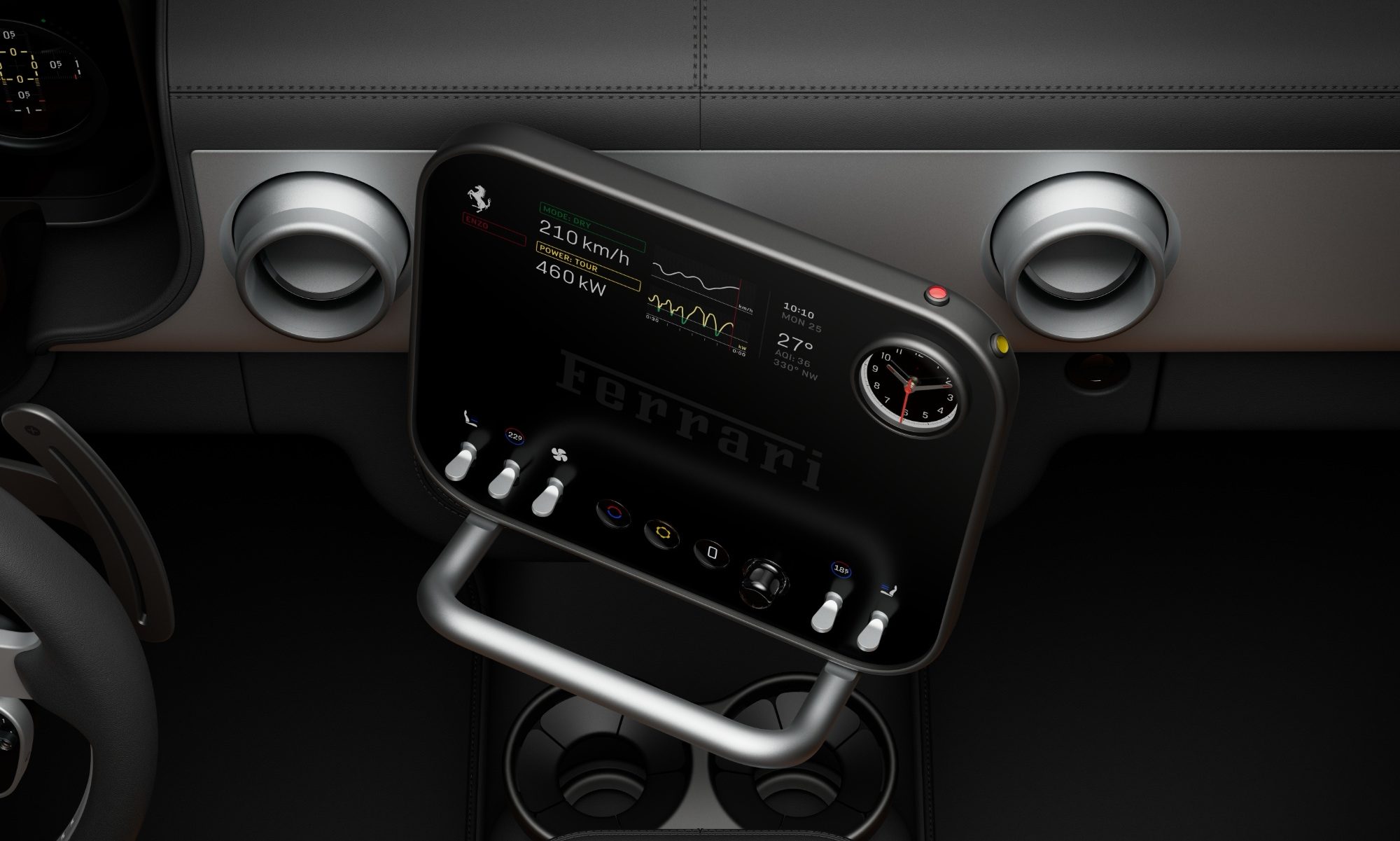
The other two displays are a 10.1-inch panel in the central control panel, which also has mechanical hands rotating through tiny cutouts in real time, and a 6.3-inch screen for rear passengers to control climate settings and check driving information.
I also love the buttons on the secondary display to control fan speed, temperature, and seat heating. The way these physical buttons interact with the digital UI is genuinely cool. 

How did Samsung pull this off?

Making large cutouts in an active display area without ruining the image quality is hard. The hole in the Ferrari Luce’s binnacle measures around 100mm across, which is about 20 times larger than the tiny front camera hole on our smartphones. That makes it extremely difficult to route signals around the opening without causing distortion or delays. 
Samsung’s HIAA (Hole in Active Area) technology solves this by optimizing each signal design individually, so the image stays uniform and stable across the entire display regardless of the hole size. 

Whatever Samsung did to achieve this, it clearly worked. I saw some demos of the car’s interior, and the displays look crisp and sharp. Who knew one of the most exciting parts of a brand new Ferrari car’s design in 2026 would be the dashboard.


Rachit Agarwal
Rachit is a seasoned tech journalist with over seven years of experience covering the consumer technology landscape.
Ferrari’s first EV is here, and the Luce might be the brand’s most controversial car yet
Ferrari enters the EV era with the polarising new Luce
Ferrari Luce

Ferrari has officially entered the electric era with the unveiling of the all-new Ferrari Luce, the first fully electric production car in the company’s history. Revealed in Rome, the Luce marks one of the biggest shifts the Maranello-based automaker has made since the company was founded in 1939.

For years, Ferrari resisted going fully electric. The company repeatedly argued that emotion, sound, and driver engagement were core to the Ferrari experience, something enthusiasts believed could not exist without a combustion engine. Even when rivals like Porsche launched EVs such as the Porsche Taycan and brands like Lamborghini began discussing electrification strategies, Ferrari largely stayed focused on hybrids and traditional performance cars.

Read more
Citroen is bringing back the iconic 2CV as an electric car priced under $18,000
The iconic Citroën 2CV is returning as a sub-$18,000 electric car
The beloved Citroen 2CV is getting an EV reboot

Affordable EVs have become weirdly hard to find. But Citroën is reaching deep into its own history for a fix. The company has recently confirmed that the beloved Citroën 2CV is coming back as a fully electric car, more than three decades after the original ended production. Citroën CEO Xavier Chardon announced the revival at a Stellantis investor event in Michigan, saying the new 2CV will be 100% electric, built in Europe, and priced below €15,000, or about $17,400.

The people’s car goes electric

Read more
Xiaomi’s new $34,500 electric SUV goes farther than a Tesla Model Y and costs less
Xiaomi's cheapest YU7 yet offers more range than a Tesla Model Y at a meaningfully lower price.
Transportation, Vehicle, Car

Xiaomi CEO Lei Jun had a straightforward reason for why the YU7 wasn't outselling the Tesla Model Y in China: the base model wasn't cheap enough. 

At just 10,000 yuan ($1,450) less than Tesla’s Model Y, the price gap simply wasn't compelling enough. On the evening of May 21, at Xiaomi's "Human x Car x Home" launch event, Lei did something about it (via CarNewsChina).

Read more