  1. Home
  2. Emerging Tech
  3. Wearables
  4. News

Your smartwatch could soon let you control your PC through hand gestures

Can your smartwatch replace your mouse? This research says yes

Add as a preferred source on Google
smartwatch-sonar-tech-watch-hand
Doctoral student Chi-Jung Lee demonstrates the WatchHand device, which potentially could allow people to move screens on their computers without a mouse or tracking pad. Jason Koski / Cornell University

Your smartwatch might be more capable than you think. Researchers at Cornell University and KAIST in South Korea have developed a system called WatchHand that turns any regular smartwatch into a hand-tracking device.

The best part is that it doesn’t require any extra hardware to do so. According to the published paper, the technology uses AI-powered micro sonar to read your hand movements and finger positions in real time, and it works using hardware your watch already has.

So, how does WatchHand actually work?

Your smartwatch has a built-in speaker and microphone. WatchHand puts both to work in a way you’d never expect. The speaker emits inaudible sound waves that bounce off your hand and back into the microphone, creating a unique echo pattern.
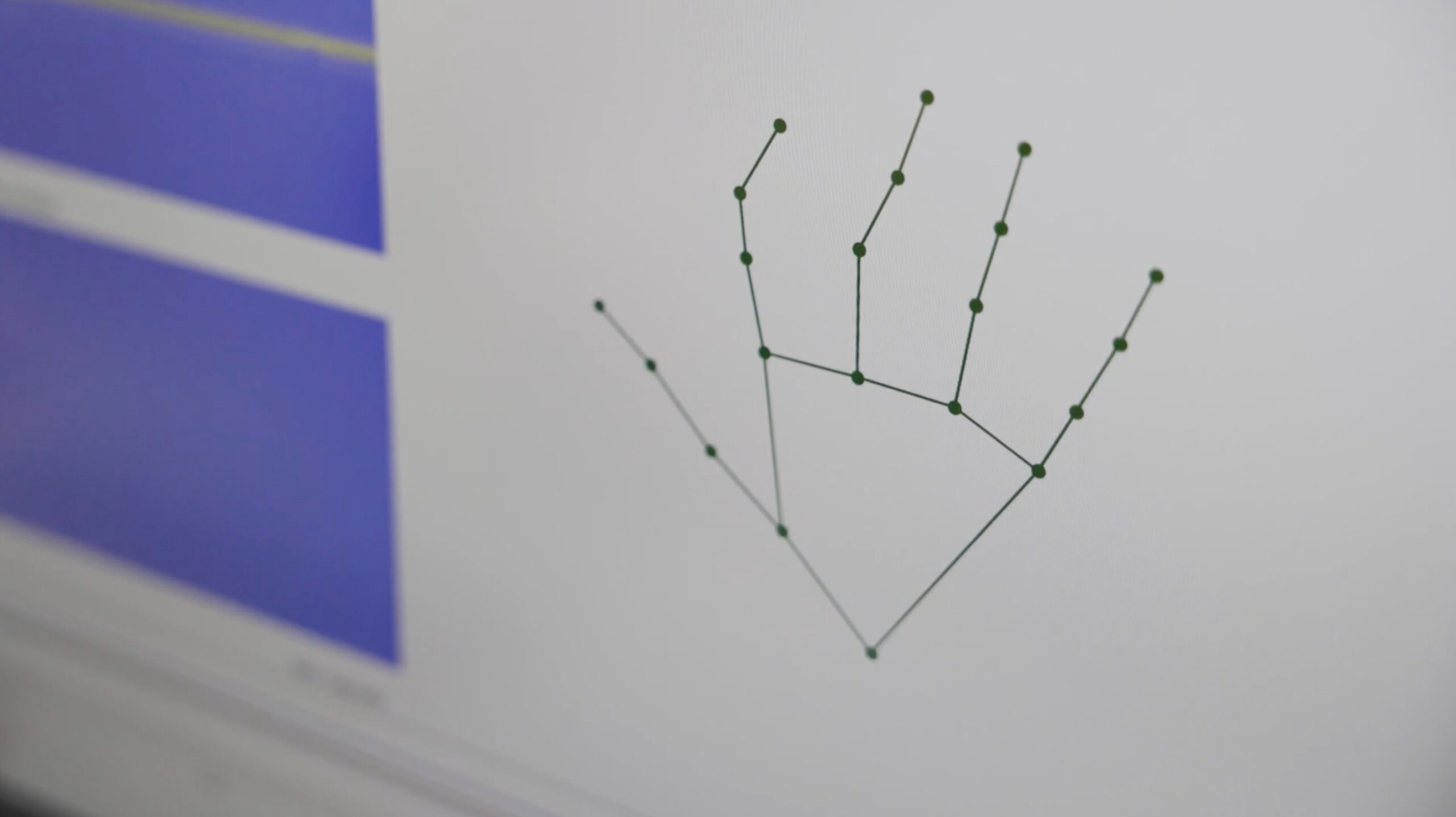
An AI algorithm running directly on the watch reads that pattern and maps your hand position in 3D. Think of it like the echolocation bats use to navigate, except it fits on your wrist. Because everything is processed on the watch itself, none of your movement data gets sent anywhere else.

What can WatchHand do for you?

The practical applications are genuinely exciting. Double-tapping your fingers could skip a track. Subtle hand gestures could move your cursor without touching your mouse or trackpad.

Recommended Videos

Down the line, WatchHand could potentially track your typing, serve as a controller in augmented or virtual reality, and support people with limited mobility who struggle with traditional input devices.
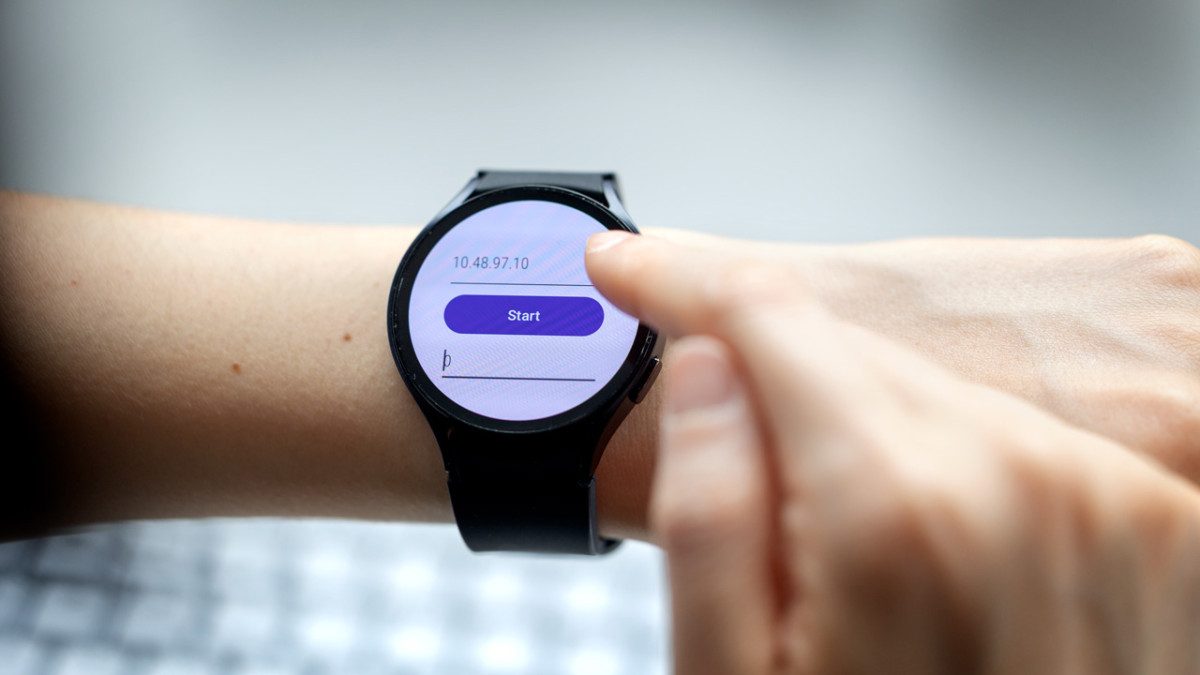
Researchers also believe a software update alone could bring this capability to millions of existing smartwatches already in people’s hands.

Although there are some limitations worth knowing. WatchHand currently only works on Android, not Apple watches, and it has trouble keeping up when you’re walking. But for a first-of-its-kind system built entirely on hardware you already own, that’s a pretty strong start.

Smartwatches are clearly becoming a lot more ambitious than anyone expected, as researchers are also working on a wrist-worn device that can detect microplastics inside your body.

Manisha Priyadarshini
Manisha Priyadarshini is a tech and entertainment writer with over nine years of editorial experience.
Microsoft’s newest AI agent wants to take entire projects off your plate
Microsoft

Microsoft is expanding its ambitions for workplace AI with the general availability of Copilot Cowork, an agentic system designed to handle complex tasks from start to finish rather than simply offering suggestions.

After spending three months in Microsoft’s Frontier preview program, the company says Copilot Cowork is already used by more than half of the Fortune 500, alongside organizations such as Accenture, Zurich Insurance, Capital Group, and others. The rollout marks one of the fastest-growing launches in the history of Microsoft’s Frontier program, according to the company.

Read more
Online payments are dimming the charm of one of America’s top tourist attractions
One of America's last analog tourist traditions just joined the cashless economy.
Photography, Binoculars, Camera

We all know those heavy, coin-operated binoculars perched on every scenic overlook in America, the ones you’ll find everywhere from the Empire State Building to the Grand Canyon. Turns out, they’ll soon start accepting tap-to-pay payments. 

This is great news, as you’ll no longer need to carry a quarter anymore, and making payments with your smartphone is much more convenient. However, I’d argue that the quarter was kind of the whole point.

Read more
The FBI secretly built an entire fake town just to practice cyberattacks
Hidden inside a warehouse in Alabama, the Kinetic Cyber Range recreates real-world digital attacks from start to finish.
FBI Kinetic Cyber Range Featured

While Hollywood has fake cities for filming movies, the FBI apparently has one for getting hacked. The agency has pulled back the curtain on its Kinetic Cyber Range, a 22,000-square-foot replica small town hidden inside its Huntsville, Alabama campus. But instead of training officers for shootouts or hostage rescues, the facility is designed to simulate realistic cyberattacks on homes, businesses, and critical infrastructure so investigators can practice responding to them in a controlled environment.

The FBI built an entire town just to simulate cybercrime

Read more