

If the many rumors, leaks, and teasing by the CEO are true, Sonos is on the cusp of releasing its first wireless headphones in 2024, and the benefits to Sonos’ customers could be considerable. Being able to use one set of headphones for travel, office, and home use — that also integrate with the Sonos ecosystem of whole-home wireless speakers — would be convenient.
And, assuming the new headphones work with Wi-Fi (like the rest of the company’s products), they will be among the first wireless headphones to deliver lossless, hi-res audio without the need for special codecs, perfect wireless conditions, or an accessory like a headphone DAC/amp.
Still, the success of potential Sonos wireless headphones is far from assured. It’s a very mature market with cutthroat competition. If Sonos hopes to make this product a must-have for its customers, there are several pitfalls the company needs to avoid.
Comfort is king

It should go without saying, but headphones need to be comfortable. Any pressure points caused by a poor fit or a poor choice of materials will limit how long you can wear them before fatigue sets in.
Even companies that have been creating headphones for years can inadvertently build a product hampered by an uncomfortable design. This was certainly the case with the Shure Aonic 40, a fantastic-sounding set of cans that I simply couldn’t wear for more than an hour.
When you consider that Sonos has no history of designing products like headphones, earbuds, or other devices that need a strong ergonomic component, there’s a risk that its first attempt won’t hit the bullseye.
Home and away
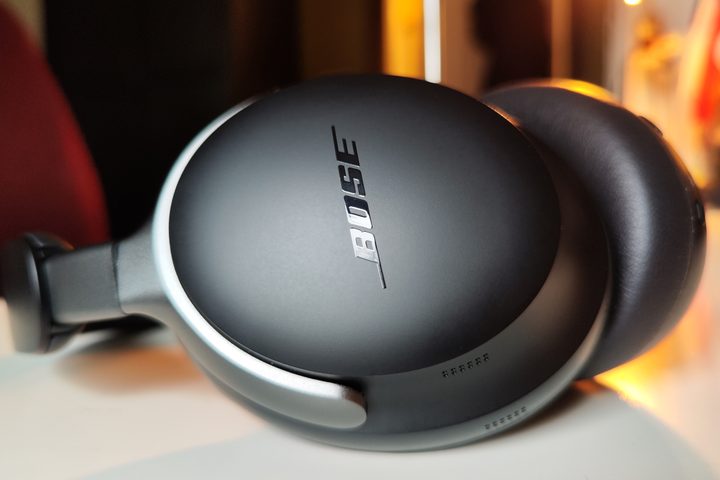
Wireless headphones have become our constant companions, whether we’re using them to listen to podcasts on our daily commute, block unwanted distractions at the office or local coffee house, or take voice and video calls from anywhere. In short, they go where we go.
Sonos headphones need to offer all of the flexibility and portability that we’ve come to expect from brands like Sony, Bose, and Sennheiser while away, plus a seamless transition to our Wi-Fi network when we get home.
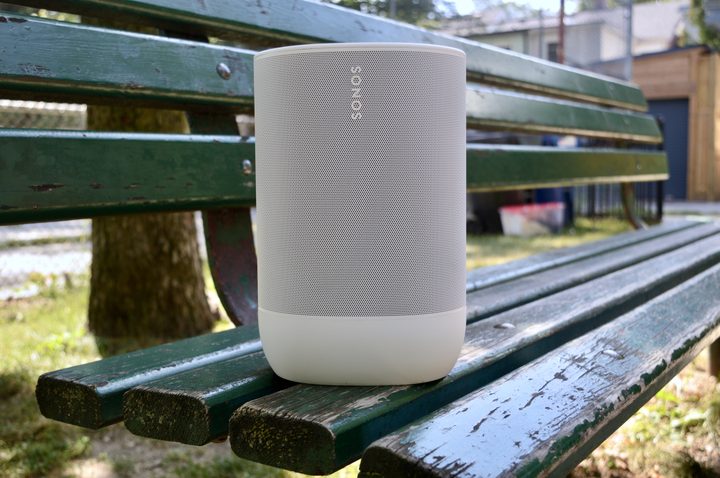
Sonos has a good track record so far. The Sonos Roam and Sonos Move 2 speakers can be used away from home — thanks to built-in batteries and Bluetooth connections — and then re-join the network automatically when you return. This will be a must-have capability for Sonos’ headphones.
Where Sonos has proven weakest is its lack of app support when its devices are in Bluetooth-only mode. It may not matter that you can’t use the Sonos app when your Sonos Roam speaker is away from home — Bluetooth speakers only have a limited number of adjustments. Wireless headphones are a different story. We’re used to having total control over settings like active noise cancellation (ANC) and EQ all of the time. Sonos will have to adjust its app to make that happen.
Peace and quiet
Once upon a time, it would have been acceptable for a company like Sonos to sell wireless headphones without ANC. But that’s ancient history. Today, you’ll find highly effective ANC on $60 wireless earbuds. Sonos will have to offer ANC that is at least in the same ballpark as Apple, Bose, Sony, and Sennheiser, even if it fails to beat them.
The same is true for transparency mode — an arguably much harder feat.
Multiple uses, multiple devices
As I said earlier, we’re as likely to use our wireless headphones for Microsoft Teams meetings as we are to listen to the latest Olivia Rodrigo album, so it’s not enough for the audio to sound good to us — we need to sound good to our callers.
That means Sonos’ headphones must have enough microphones to capture our voices clearly while also blocking out unwanted external sounds.
They will also need to support Bluetooth Multipoint so we can be connected to two devices simultaneously.
Killer spatial audio
With its Beam Gen 2, Arc, and Era 300 speakers, Sonos has proven that it understands the importance of spatial audio, whether it’s Dolby Atmos for shows and movies or Dolby Atmos Music for streaming music services.
Still, spatial audio for speakers is a very different thing than spatial audio for headphones. With headphones, complications abound: Do you use Dolby’s technology for binaural rendering or roll your own? Do you offer virtual spatial audio, which attempts to give any source of stereo a more immersive experience, or do you stick with just content created for Dolby Atmos or other 3D audio formats? Finally, do you include head tracking — a sensor-based technology that Apple has been heavily promoting on its AirPods and Beats family of wireless earbuds and headphones?
It’s surprisingly hard to get this right. Apple has chosen to work only with Dolby Atmos content (with and without head tracking) without virtual spatial audio. Depending on the source, it can sound great. Bose has taken the other route, letting you virtualize any audio into a 3D version, again with and without head tracking. It has also been successful.
But I was less impressed with Jabra’s version of spatial audio on its Elite 10 earbuds, and with some products, like the Soundcore Liberty 4, it feels very much like a gimmick.
Gotta be true TV

Currently, if you have a Sonos soundbar like a Ray, Beam Gen 2, or Arc, you’ll get the best possible Dolby 5.1 or Dolby Atmos signal from your TV via HDMI or optical. If you want to share that sound with other Sonos speakers in your house, you can do that by grouping them.
However, your grouped speakers — even if they are also soundbars — will only get a downmixed, stereo version of the TV audio with no low-frequency channel (subwoofer) info.
That’s not going to fly with Sonos’ headphones. They must offer parity with the Apple AirPods Max, which can wirelessly sync with an Apple TV 4K, and get a fully head-tracked Dolby Atmos presentation of compatible content.
Moreover, if there are multiple Sonos headphones in one household, each needs to get this same high level of audio quality.
Battery blues
Sonos knows that battery life matters. One of the most impressive things it changed when it debuted the second-gen Sonos Move, was a more than doubling of the speaker’s stamina from 11 hours to 24 hours.
It’s that kind of thinking that Sonos will need to apply to its headphones. Wi-Fi is traditionally more power-hungry than Bluetooth, and with the additional demands of processors, sensors, and microphones, modern wireless cans can demand a lot of juice.
The Hed Unity — the first Wi-Fi headphones on the market — are a cautionary tale. Even when using Bluetooth alone, they’re only rated for about eight hours of use. That might be acceptable for headphones that are destined to stay home, but a set of travel-friendly cans will have to do far better.


