  1. Home
  2. Audio / Video
  3. News

Fire TV Stick HD quietly arrived with an adapter, but it’s not quite ready for Prime time

A Gigabit Ethernet Adapter just dropped for Fire TV, but you won't see Gigabit speeds on the new stick

Add as a preferred source on Google
amazon-fire-tv-stick-hd
Amazon

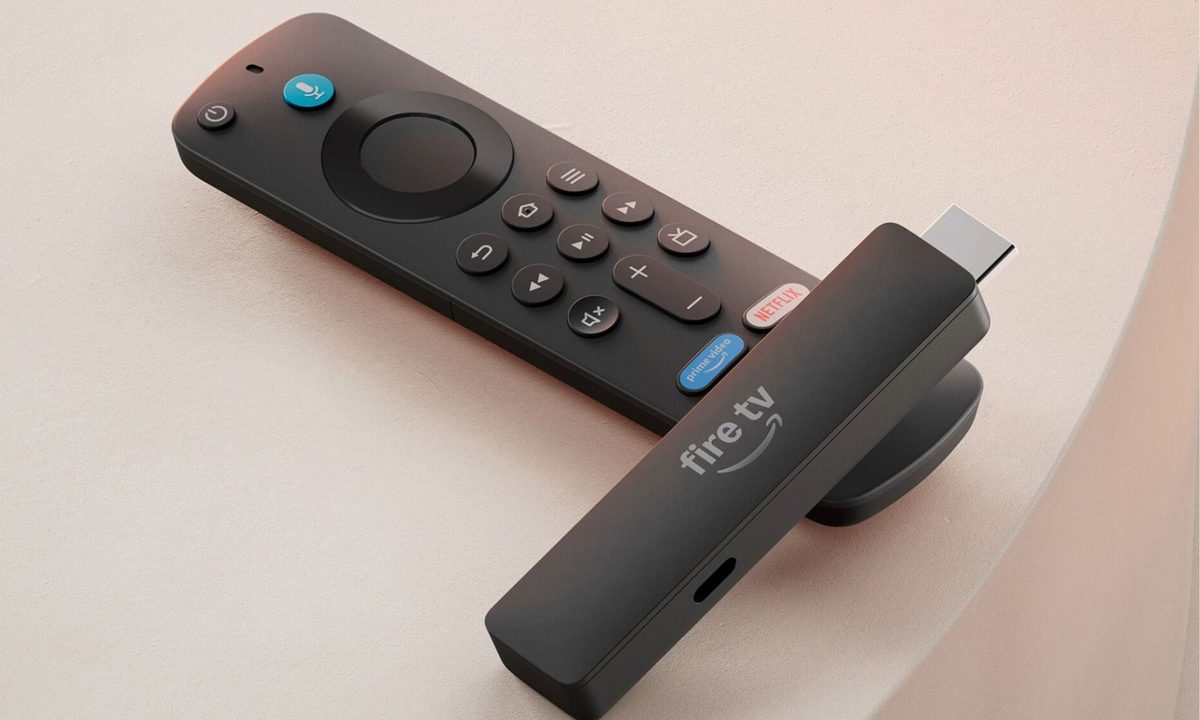
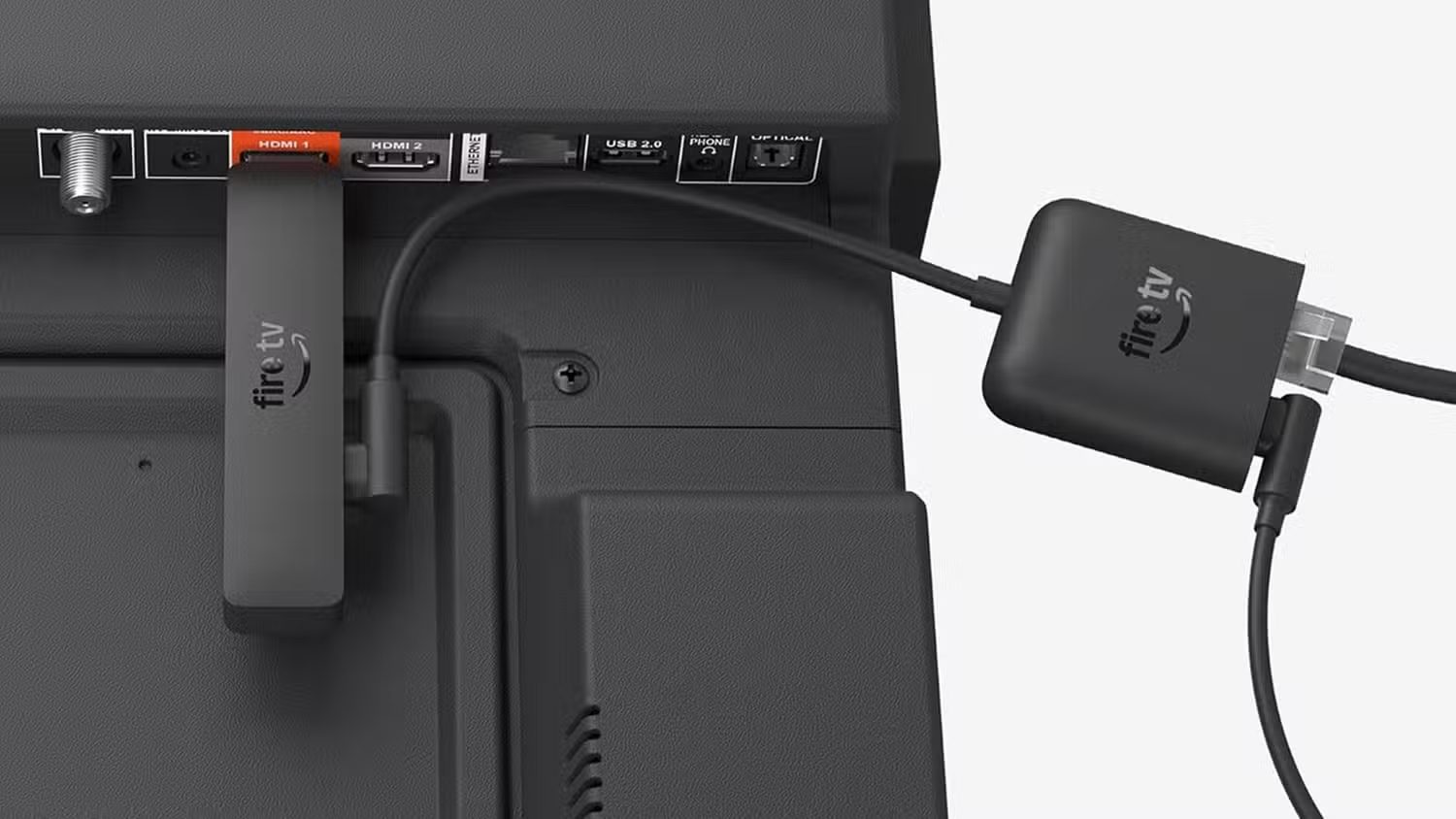
Amazon is set to release a refreshed Fire TV Stick HD on April 29 for $35. For the first time ever, a Fire TV Stick is ditching Micro-USB for a USB-C port. That change prompted Amazon to release a new USB-C Ethernet Adapter for $20, and buried in the product listing is something interesting.

It claims speeds of “up to 480 Mbps,” which means the adapter is technically Gigabit-capable. However, there is no Ethernet standard between 100 Mbps and Gigabit, so the only way to hit 480 Mbps is with a Gigabit adapter. But Amazon just isn’t advertising it that way.

Why can’t the new Fire TV Stick HD reach full Gigabit Ethernet speeds?
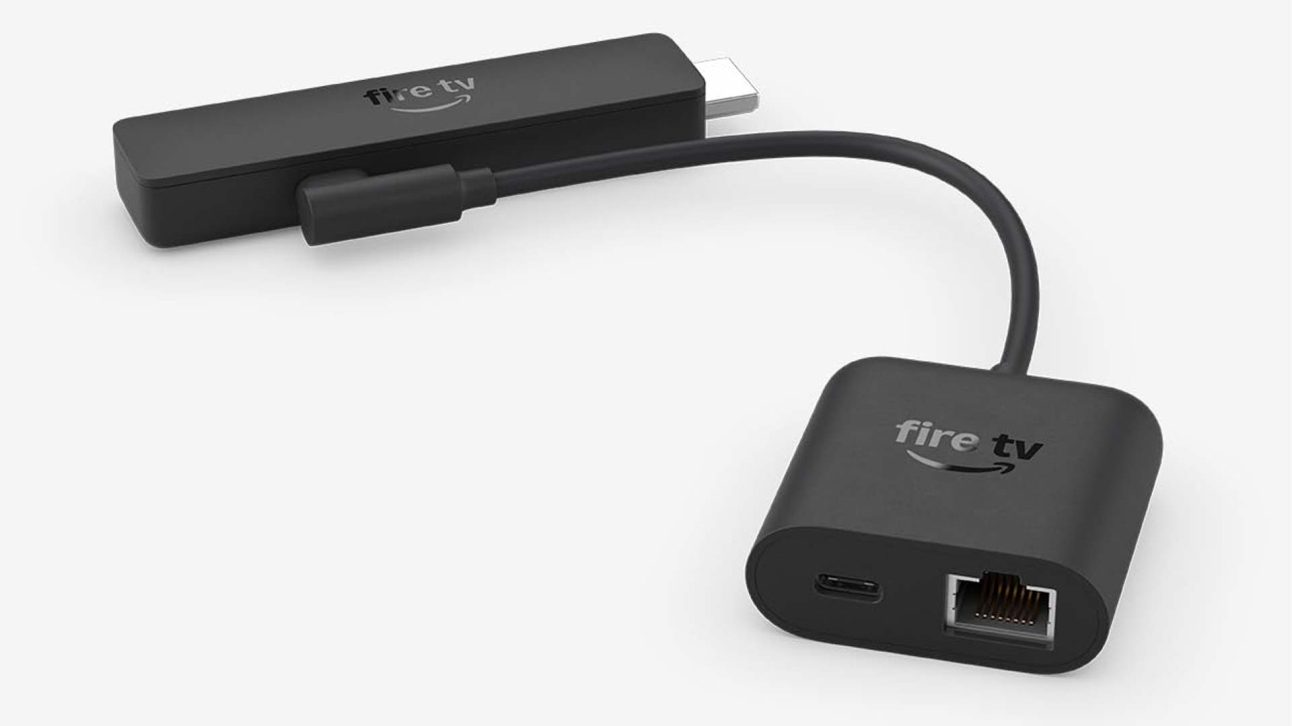
According to AFTV News, despite the USB-C upgrade, the new Fire TV Stick HD is believed to be running a USB 2.0 port underneath. USB 2.0 caps out at 480 Mbps, and with real-world overhead factored in, you are realistically looking at closer to 350 Mbps. So while the adapter is Gigabit-capable, the stick itself is the bottleneck.

Recommended Videos

Amazon has not published hardware specs for the new model yet, which is unusual and telling. The report also suggests that the hardware may be nearly identical to the six-year-old model it replaces.

Is the new Fire TV Stick HD still worth buying?
The new stick is Amazon’s slimmest streaming device yet, which no longer needs a wall plug, and it can draw power directly from your TV’s USB port. It also supports Wi-Fi 6 and Bluetooth 5.3.

However, the big sticking point is Vega OS, Amazon’s new Linux-based operating system that does not support sideloading apps. Still, the Gigabit-capable adapter could become far more useful if future Fire TV models like a new 4K Max arrive with proper USB 3.0 support. For now, you are getting half the potential.

It is worth noting that for most streaming needs, 350Mbps is more than enough. A 4K stream typically needs around 25Mbps. But if you’re running a Plex server or rely on fast local network transfers, you’ll feel the gap.

Manisha Priyadarshini
Manisha Priyadarshini is a tech and entertainment writer with over nine years of editorial experience.
Roku is reportedly exploring a sale, and its 100 million users are the biggest prize
The company is reportedly weighing a sale amid interest from media and tech players.
Roku on TV

Roku may not stay independent for much longer. According to a Reuters report citing people familiar with the matter, the streaming platform company is exploring strategic alternatives that include a full sale, with at least one U.S. media company already involved in preliminary discussions.

Roku is reportedly weighing a sale amid growing industry interest

Read more
Spotify removed tens of thousands of fake podcasts tied to online drug sales
Spotify is cleaning up thousands of fake podcasts linked to scam websites
spotify

Spotify has spent the past year quietly removing tens of thousands of fake podcasts that were allegedly being used to promote illegal online pharmacies and scam websites. Now, a new congressional report is raising questions about how the scheme was able to flourish on one of the world's largest audio platforms in the first place.

According to the Wired report, bad actors created thousands of fake podcasts that were never intended to attract real listeners. Instead, they were designed to manipulate Spotify’s search rankings and boost the visibility of websites selling prescription drugs without prescriptions, including opioids, stimulants, and benzodiazepines.

Read more
I tried Acer’s new 5K MiniLED Gaming monitor, and OLED kept popping into my head
After seeing it in action at Computex, I finally understand where MiniLED shines and where OLED still wins.
MiniLED vs OLED Hands On Computex 2026

If Computex 2026 taught me one thing, it's that monitor makers are no longer interested in building one-trick ponies. They want displays that can wear multiple hats, seamlessly switching between work and play without making users choose. Acer's new Nitro XV345CKR P is perhaps the best example of that philosophy, and after spending time with it on the show floor, I walked away impressed by its ambition while also questioning whether MiniLED is really the future for gaming monitors.

I've always had a slightly complicated relationship with MiniLED. On a massive living room TV, it works wonders because you're sitting several feet away, and the local dimming zones blend beautifully. Put the same technology on a monitor that's sitting barely two feet from your face, however, and suddenly you're no longer admiring the display, you're inspecting the physics behind it.

Read more