
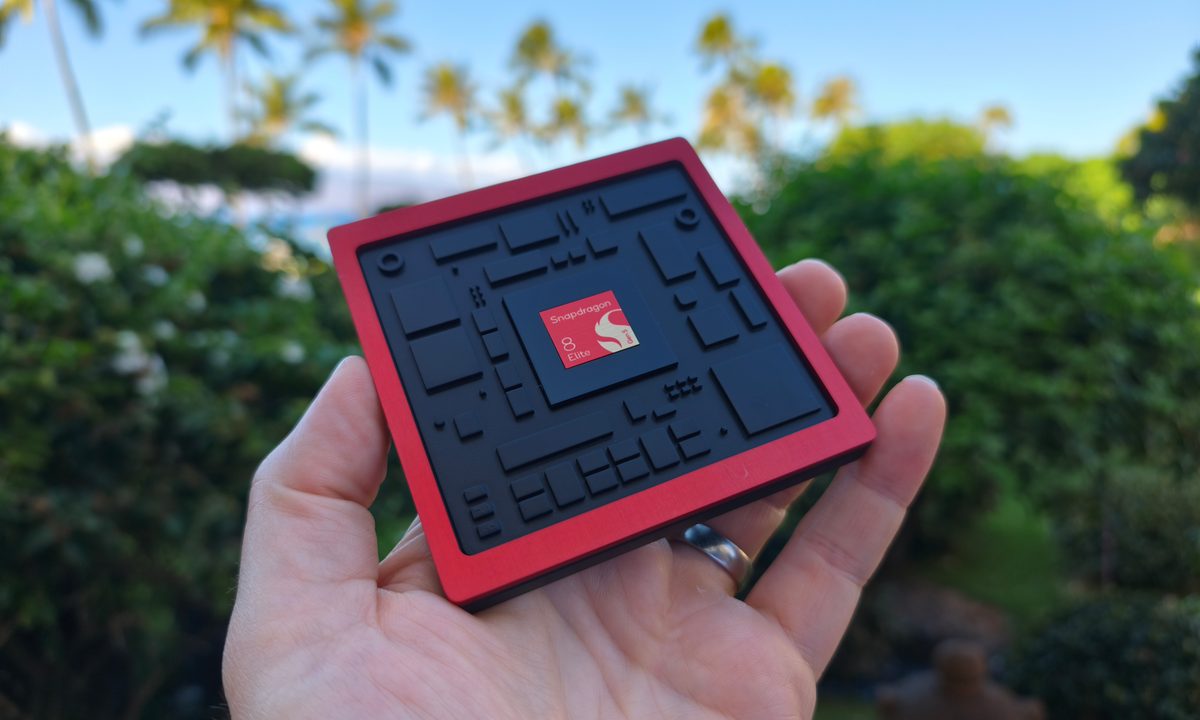
What’s happened? Qualcomm told investors it expects to power roughly 75% of the upcoming Galaxy S26 series, setting a clear baseline for the next cycle. That runs against reports that Exynos will take the lead in the next Galaxy series.
- The 75% figure came straight from Qualcomm’s earnings call guidance.
- Exynos is still in the picture, just in a smaller role next to Snapdragon.
- The split can shift by model or region once Samsung finalizes SKUs.
This is important because: Chip choice drives how your phone feels every day, from speed to reception to what AI can run locally. A 75% Snapdragon mix points to a more predictable Galaxy experience, regardless of where you buy.
- More consistent performance and modem behavior across regions, which reduces split reviews. For reference, this year’s S25 line used Snapdragon across models.
- On-device AI features should align more cleanly, since the same NPU and software stack ships at scale.
- A larger Samsung mix supports Qualcomm’s revenue and margins.
Why should I care? Because the silicon sets the ceiling. It shapes camera processing, battery life, and how fast fixes land. If most S26 units share Snapdragon, expectations get clearer and upgrades are easier to judge.
- Camera pipeline and thermals under load depend on the chip, so parity matters for photos and sustained gaming.
- Accessory and ROM communities cluster around the dominant platform, which can mean better long-term support.
- If you upgrade yearly, a common platform can help resale value, since buyers know the spec.
Okay, so what’s next? This 75% target will nudge the flagship Android lane, not just Samsung’s lineup. If Snapdragon remains the default for most Galaxy units, developers and rivals will plan around that baseline.
- Expect app makers to tune first for Snapdragon NPUs and ISPs, which can shape camera tricks and everyday AI tools.
- Competing flagships will push on efficiency, thermals, and modem stability to match day-to-day polish.
- On launch day, we will verify chipset callouts, performance parity, and modem stability across regions.


