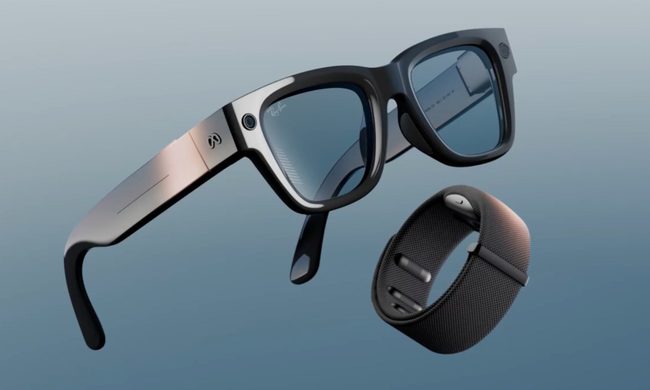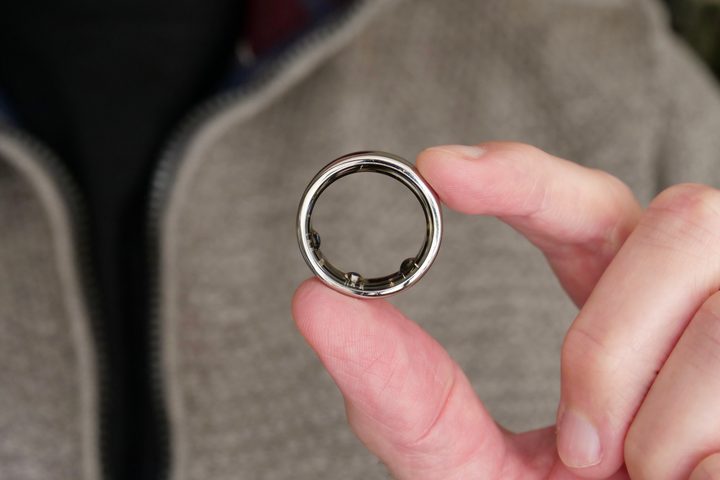
Samsung is reportedly eyeing a new health wearable category, one where it won’t have to compete with Apple. According to the Korea-based publication The Elec, Samsung is working on a smart ring that’s not unlike what Oura offers with the popular Oura Ring.
The contract for developing a test version has been given to a Japanese company named Meiko. Tentatively called the “Galaxy Ring,” the project is still very much in the early stages of development.
Samsung will only pick up the smart ring project for mass production if the prototype units meet the quality standards. That’s a big “if” because getting the energy efficiency, sensor calibration, and material longevity just right on a small piece of ring-shaped hardware is notoriously difficult.
Why does Samsung need a Galaxy Ring?
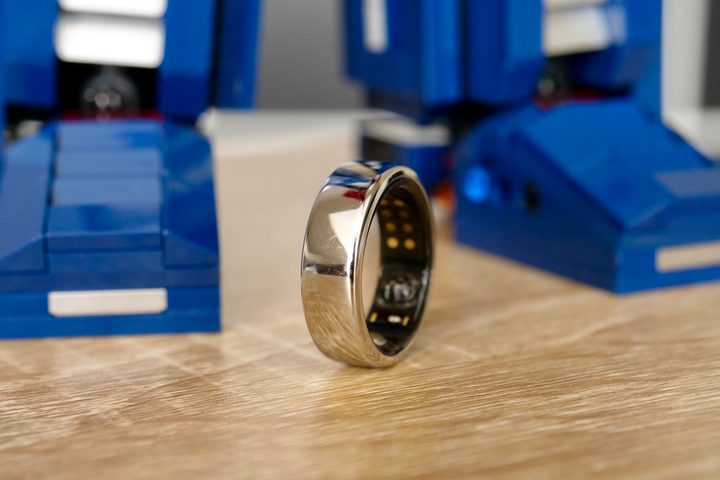
Right now, Oura, McLear, Hecere, and Movano offer the best smart rings — but those brands don’t command the same kind of consumer pull or market share as the likes of Samsung. Plus, the smart ring market is expected to reach $ 747.41 million at a growth rate of over 25% per year from 2023 onward, so it’s ripe for the taking.
But dreaming of dominating a market and then leading it for a long time is easier said than done. Thankfully, Samsung has all the talent in the world — and cash in its coffers — to pull it off. The best example of Samsung’s expertise would be the Galaxy Z lineup of foldable phones.
However, Samsung is also good at squandering early leads. The competition has quickly caught up with Samsung in the foldable phone segment, and it is delivering better products, too. But it’s the wearables segment where the defeat really stings.
Samsung released its first proper smartwatch in 2013, two years ahead of Apple. But it’s Apple that commands the lion’s share of the global smartwatch market, while Samsung lags far behind. While some of that can be blamed on operating system woes, it was really innovation and UI superiority that handed Apple a quick win.
Samsung might want to flex its wearable tech muscles with a new category — a smart ring — and make some money in the process.
A whole world of promises
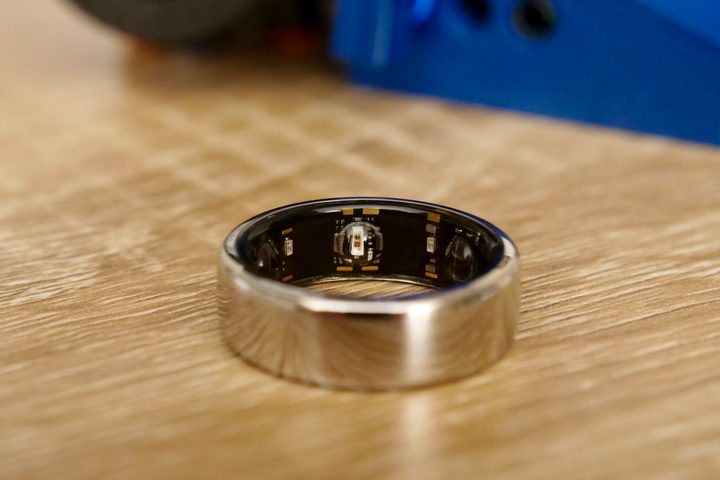
The smart ring industry is nowhere near as mature as the smartwatch sector, both in terms of innovation and consumer acceptance. One might think twice before dropping $299 on an Oura Ring 3, but if the same gadget was made by Samsung, the friction would be lower due to brand recognition and trust.
But there’s more to the picture here. Smart rings can accomplish all the fundamental tricks that a smartwatch is capable of, such as activity tracking, calorie burn rate measurement, heart rate monitoring, sleep analysis, mobile payments, music playback control, and more.
They are more comfortable and discreet to wear. I have a hard time wearing a bulky smartwatch to track my sleep, but it is noticeably more convenient to do the same wearing an UltraHuman smart ring. Plus, they are not as intrusive as a smartwatch, especially with the constant barrage of notifications on a smartwatch’s screen.

Research work in the smartwatch segment is also yielding some promising results. A scientific study published in the Sleep journal, which tested the Oura Ring, surmised that these consumer wearables “can be used to develop epoch-by-epoch models of sleep-wake rivaling existing research devices.”
Additional research published in the International Journal of Environmental Research and Public Health found that with some modifications, a device like Oura’s smart ring could even help certified medical personnel with delivering critical care like CPR (cardiopulmonary resuscitation) to help people in an emergency.
Further research in the field of sweat lactate analysis suggests it could be an important biomarker for assessing sports performance. Once again, smart rings could offer a great avenue for that. It would be interesting to see if Samsung can capitalize on its resources and years of research work to build a Galaxy Ring worth buying, assuming it becomes a real product after trial prototyping.