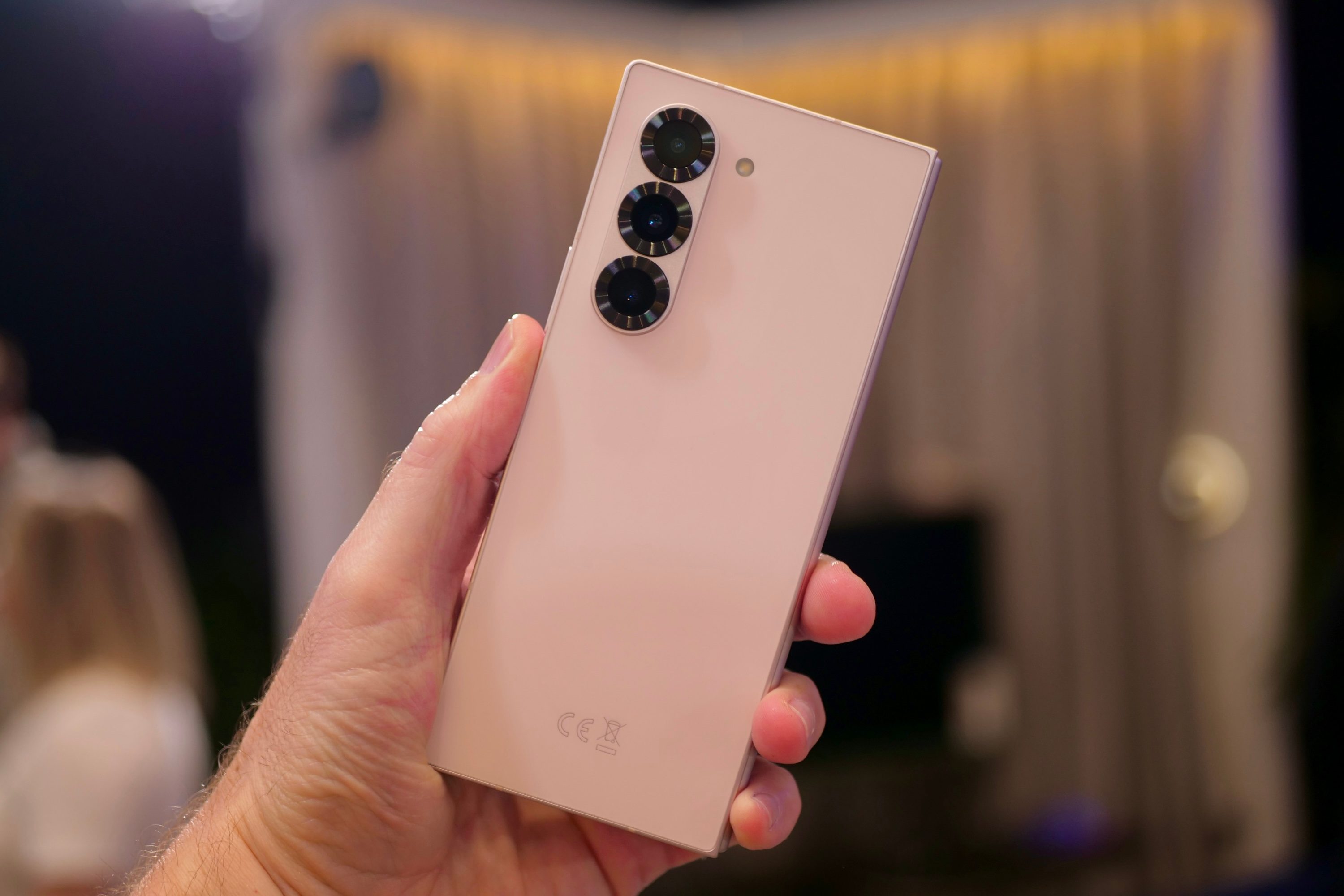
I knew it would happen, but I wasn’t quite prepared for just how little my Samsung Galaxy Z Flip 5 would be worth a year down the line. This has put an abrupt end to my plan to trade it in for the brand new Galaxy Z Fold 6.
It’s not the only way Samsung has stiffed buyers outside the U.S. on trade-ins and preorder offers this year either. It’s frustrating to see, and something that could lead me into the open arms of none other than Apple.
My trade-in and preorder deals aren’t good

Let’s talk about how much it will cost to trade in my most recent Samsung folding phone to get the latest model. I live in the U.K., where the cheapest Samsung Galaxy Z Fold 6 has 256GB of storage space and costs 1,799 British pounds. If I trade in my Galaxy Z Flip 5, I’ll get 380 pounds back, leaving 1,419 pounds to pay. Don’t worry about a U.S. dollar conversion just yet, as I’ll come back to it. For context, this is more than the retail price of a 512GB Galaxy S24 Ultra.
The Galaxy Z Flip 5 cost 1,000 pounds when it was released about a year ago, so its residual value is fairly poor, according to Samsung. Used prices outside of Samsung’s trade-in program are higher and vary considerably depending on storage space, condition, and color. What’s more, unlike last year, I’ll get less storage space in my new phone, too, as there’s no storage bump when you preorder. My Z Flip 5 came with a free upgrade from 256GB to 512GB.
Samsung’s only preorder offer in the U.K. is to give a year of accidental damage coverage or a free Neon FlipSuit case and S Pen stylus for the Galaxy Z Fold 6. Generosity is not Samsung’s middle name in 2024, at least it’s not in the U.K.. If you’re in the U.S., though, Samsung may as well wrap your new folding phone up in bright paper, deliver it by coming down the chimney, and be wearing a red suit and a big, white stick-on beard when it does.
Much better value in the U.S.
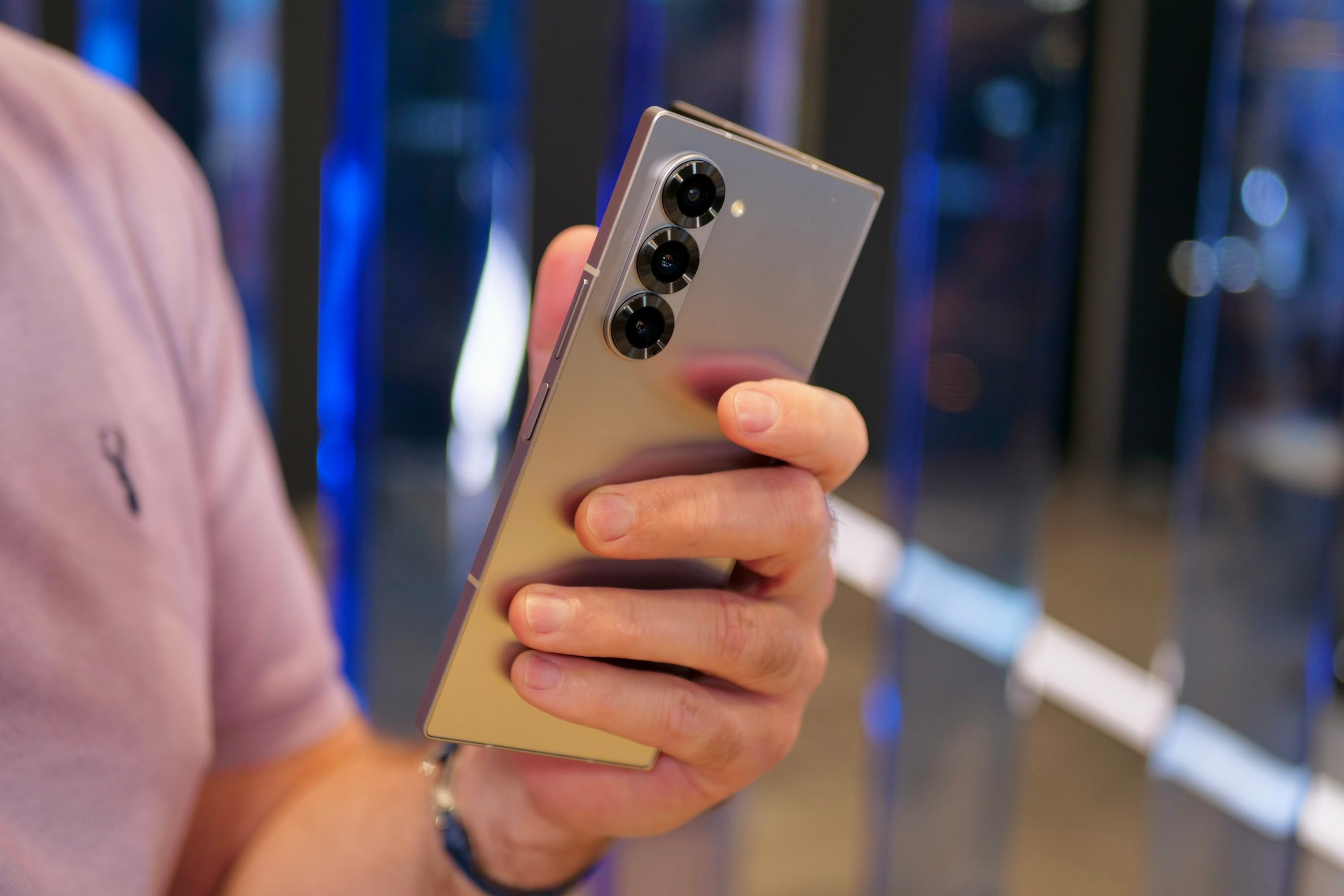
Right off the bat, buyers in the U.S. will get the 512GB Galaxy Z Fold 6 for the same price as the 256GB model, which is the difference between a $1,900 phone and a $2,020 phone. If I want to trade in a Galaxy Z Flip 5, then Samsung will give me $700 for it, meaning a 512GB Galaxy Z Fold 5 costs $1,200. Convert that figure over to British pounds, and it’s 935 pounds. You don’t need a calculator to see that’s a very big difference.
I’m aware there’s sales tax to be added to the $1,200 price, but even if that adds $90, the final price still doesn’t even come close to the cost of what I’ll pay for a lesser device where I live. I’m sure there are all kinds of boring business-related differences between the costs of selling a phone in the U.S. and in the U.K., and Samsung obviously needs to make a profit, but it’s very difficult to stomach a 500 pound (or around $642) difference for less storage space and not feel shortchanged.
Even if I had made a different device choice this time last year, things wouldn’t be better. If I had kept my Galaxy Z Fold 4 instead of upgrading to the Z Flip 5 last year, the trade-in value was basically the same, while if I had upgraded to a Galaxy Z Fold 5, I’d only get 550 pounds in trade-in value. I’d have to trade in the Galaxy S24 Ultra to get Samsung’s most generous money-back offer of 640 pounds, which is much closer to the $900 I’d get for the same phone in the U.S. But ultimately, which ever way I look at it, the U.S. trade-in and preorder offers are much more appealing.
Let’s see what Apple does
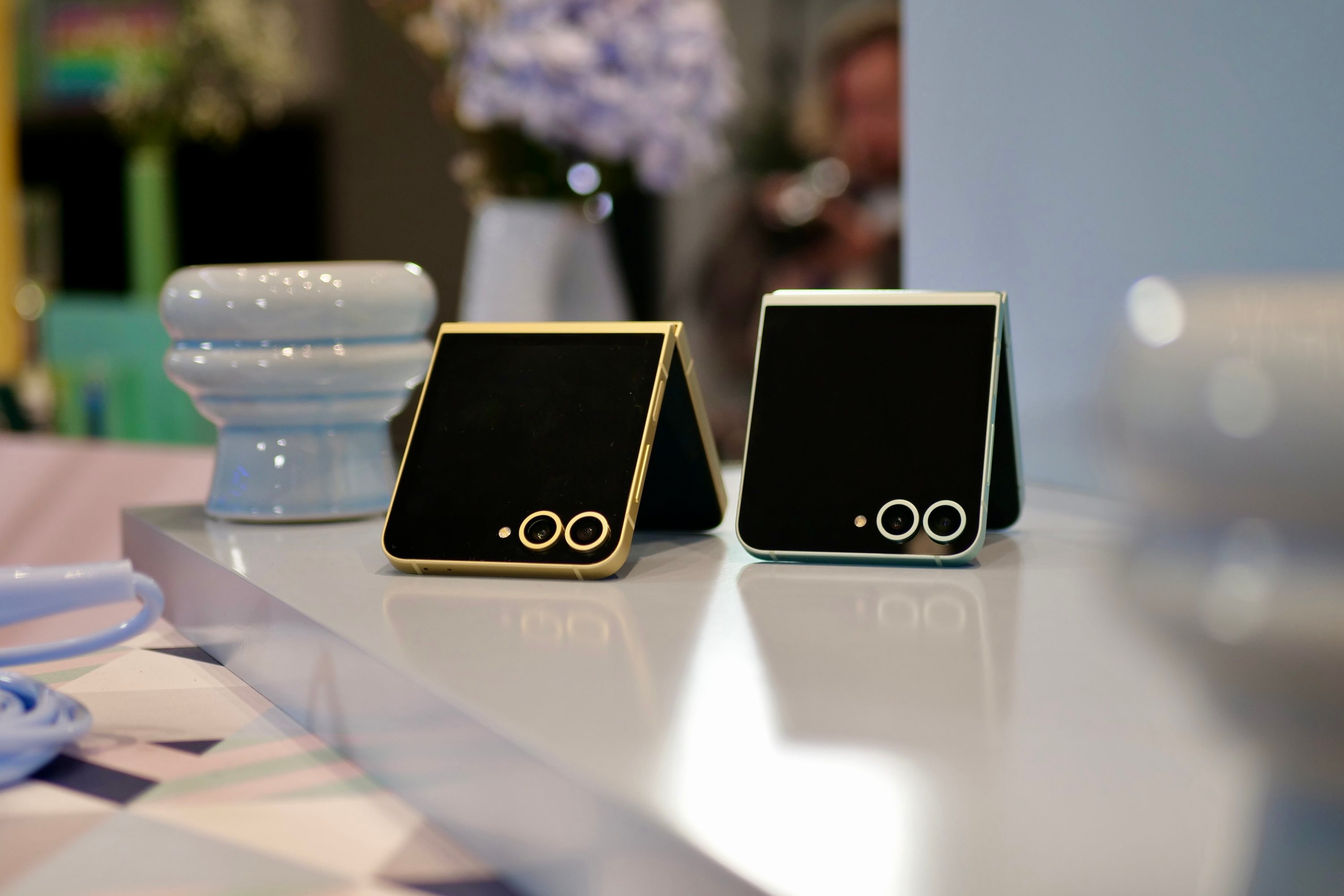
The Galaxy Z Flip 5 is still a very good phone, and if you own one, don’t rush out to upgrade it to the Galaxy Z Flip 6, as there aren’t that many differences. However, the Galaxy Z Fold 6 is a definite step forward over the Z Fold 4 and even the Z Fold 5, and I enjoyed the brief time I spent with it ahead of the launch.
I enjoyed it enough that if the trade-in and different offers had brought the price down for me more significantly, in line with the U.S. price, for example, then I’d probably be writing a very different article now. But as it is, I don’t see much incentive to preorder a phone as expensive as the Z Fold 6, particularly when Samsung can rustle up cracking offers elsewhere in the world.
There’s something else in my mind, too. In just a few months’ time, Apple will almost certainly announce the iPhone 16 series, and last year, its trade-in offers alone were appealing enough for me to upgrade my iPhone 14 Pro to the 15 Pro Max. If I’m going to upgrade to a stupidly expensive smartphone this year, I’m going to make it the one where I feel like I’m getting good value when I do so.
Waiting to see what Apple is going to do is not what Samsung will want to hear from potential buyers, but as far as anyone buying outside the U.S. is concerned, it’s hard to think otherwise.