  1. Home
  2. Wearables
  3. News

Digital Trends may earn a commission when you buy through links on our site. Why trust us?

More people are investing in wearable devices, but the real benefit keeps declining: Study

More Americans own wearables than ever, but less than 1 in 5 share that health data with their doctor

Add as a preferred source on Google
fitness trackers
Warrengoldswain/123RF

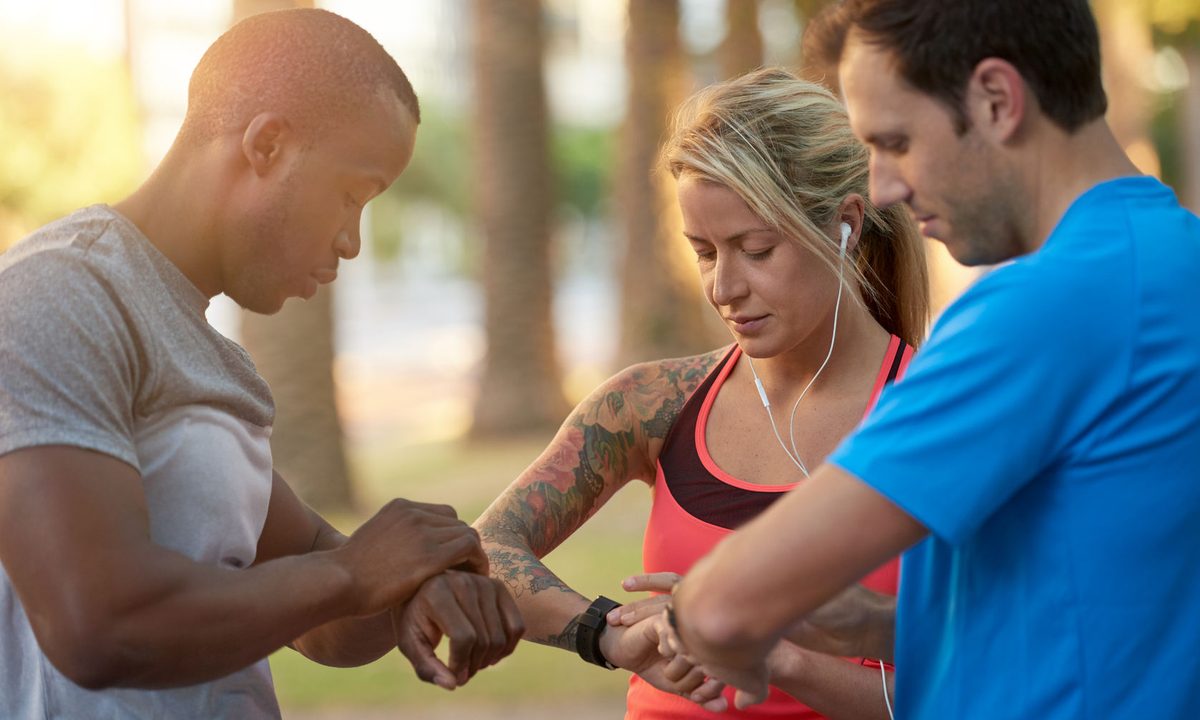
Smartwatches and fitness trackers are everywhere now, and more Americans are buying them than ever. But a new study suggests that owning one and actually getting meaningful health value out of it are two very different things.

Researchers from Yale School of Medicine analyzed data from 17,395 participants across three national survey cycles covering 2020, 2022, and 2024, and the picture they found is more complicated than the wearable industry would like to admit.

What the numbers actually show
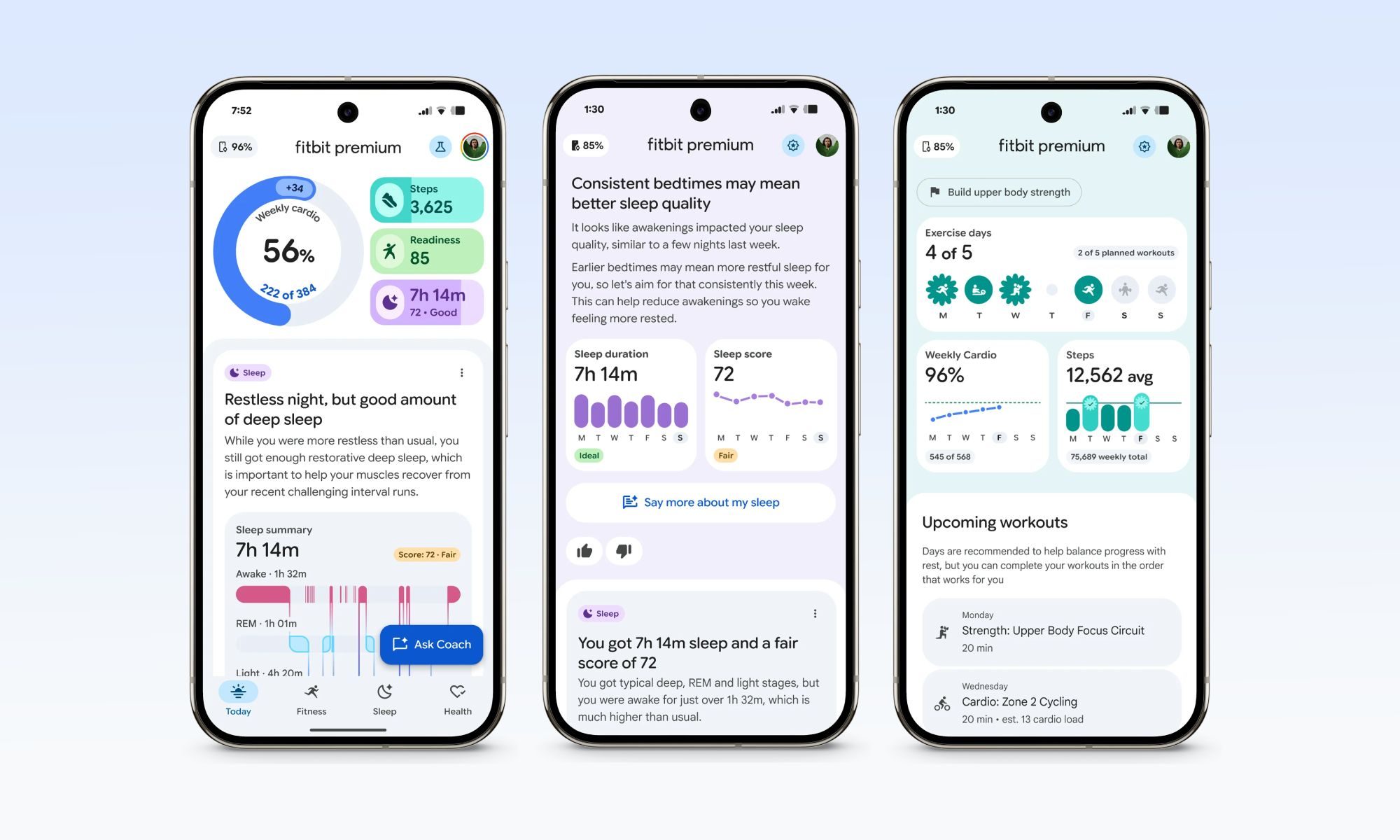
Wearable device use among US adults climbed from 30.2% in 2020 to 41.1% in 2024. The problem is that everything else stayed flat or got worse. Only around half of wearable users reported wearing their device every day, and that number has not improved over time.

Recommended Videos

The data sharing numbers are even more concerning. Willingness to share wearable health data with doctors dropped from 81.3% in 2020 to 73.4% in 2024. Actual data sharing with clinicians barely moved, sitting at just 14.2% in 2020 and reaching only 19.2% in 2024. That means fewer than one in five wearable users are sharing their health data with the professionals who could actually use it to provide insights.

Why the gap keeps growing
The study found that better digital literacy made people more willing to share their data, but that willingness did not translate into actual sharing in practice. The researchers point to the health system itself as the main bottleneck.

Your doctor’s system is not set up to receive data from your wearable. Most medical records cannot connect with consumer devices, and there is no standard process for clinicians to routinely review what your Apple Watch or Fitbit has tracked.

The researchers conclude that simply getting more people to wear these devices will not close this gap. The health system needs to build the infrastructure to use the data that people are collecting.

Manisha Priyadarshini
Manisha Priyadarshini is a tech and entertainment writer with over nine years of editorial experience.
watchOS 27: Everything we know about the new features landing on your Apple Watch
Your Apple Watch is about to get a lot more useful, as long as it supports watchOS 27
WatchOS 27 running on Apple watches

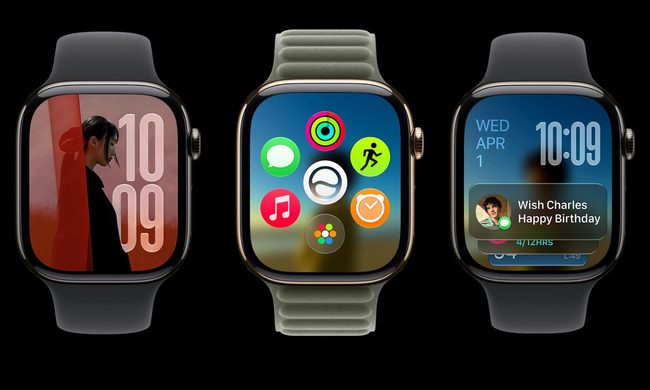
At WWDC 2026, Apple announced watchOS 27, bringing Siri AI, a new Siri app, a dynamic app grid, better Smart Stack suggestions, expanded fitness features, and new health tracking tools to the Apple Watch.

The Apple Watch works best when it helps you get small things done quickly without reaching for your iPhone. watchOS 27 leans into that idea with updates that make it easier to start workouts, find apps, open Wallet passes, and check important information from your wrist. Here’s what’s new.

Read more
Your Tech, Your Way with JLab: Why Premium Audio Shouldn’t Cost a Paycheck
Because the headphones you want for deep focus are not always the earbuds you reach for on the move.
Accessories, Sunglasses, Adult

Most of us spend more time wearing headphones or earbuds than we realize, and I know I do. Between shuffling playlists during my daily commute, jumping on work calls, listening to podcasts while walking around the neighborhood, and winding down with a late-night binge session, audio has quietly become an essential part of everyday life.

Our listening needs, however, change throughout the day. The over-ear headphones I want for a long workday are not necessarily the same audio wearable I reach for when stepping outside. Yet many audio brands seem determined to convince us that a single expensive product is the ultimate solution.

Read more
iOS 27 could make battery saving less of a settings scavenger hunt
Apple appears to be testing Dormancy, a feature that flags unused options and suggests turning them off to preserve battery life.
watchOS 27

iOS 27 could make battery saving feel less like detective work. Developer Steve Moser spotted references in iOS 27 Beta 1 and watchOS that point to a feature called Dormancy, which appears designed to recommend disabling settings or features that haven't been used.

https://twitter.com/SteveMoser/status/2064332094608748671

Read more