1. Home
  2. Wearables
  3. Business
  4. Mobile
  5. News

Microsoft patent filing shows wearable that mitigates involuntary movements

Add as a preferred source on Google

Microsoft hasn’t been short of new patent ideas recently, but this latest one could be huge for certain people. A patent application has shown Microsoft has looked into the possibility of wearable technology being used to help manage the symptoms of involuntary movements commonly suffered by those with Parkinson’s disease or a variety of other disorders.

Image used with permission by copyright holder

Microsoft envisions such a device as consisting of several haptic actuators placed around a wearable band. The device would be able to receive data from a nearby device like a phone or a tablet via a Bluetooth connection, which could then be used to customize the device’s responses and usage. These motors would likely be able to move along the band, making it possible to physically customize the band to suit an individual’s needs.

Recommended Videos

One part of the patent application theorizes that the haptic actuators could be used in a therapeutic role, using stimulation to cut down on involuntary movements. “The wearable device may be worn close to a joint and used to affect (e.g. reduce or stabilize) involuntary movement of the joint or limb,” says the patent filing.

Alternatively, the wearable could detect unwanted movements and work with other connected devices to reduce their impact. The patent describes an example where a wrist-based wearable could work with a touch-based device with a stylus to detect and reduce the impact of such movements by either using the haptic actuators to reduce the movement, or by using device-based sensors to help correct any erroneous movements.

While that sort of device would not directly help to prevent tremors and involuntary movements, it may work in a similar way to devices like the Gyenno Spoon, which stabilizes unwanted motions, and helps sufferers to live an easier life.

An important part of the patent is Microsoft’s insistence that such a device would not be limited in form, and could be reduced to a small patch placed on specific areas, or could be integrated into clothing items like stockings or sleeves. Being able to blend such technology in with everyday life would be an important part of such a device, and it would likely dictate its success in the mass market.

Mark Jansen
Former Mobile Evergreen Editor
Mark Jansen is an avid follower of everything that beeps, bloops, or makes pretty lights. He has a degree in Ancient &…
Honor’s new Watch 6 brings battery life Apple Watch users dream about
Honor releases a sporty smartwatch that will outpace your endurance
Honor Watch 6

Honor has officially launched the Honor Watch 6 globally, with a headline feature that deals with the daily charging annoyance of most smartwatches. As the name suggests, it is the successor to the Watch 5 series. The company claims the Watch 6 can last up to 35 days in long-endurance usage, or up to 17 days with more regular use. Even with GPS enabled for outdoor sports, Honor says it can last up to 42 hours.

This separates it from mainstream smartwatches like the Apple Watch and many Wear OS rivals, where charging every day or two is still very much part of the deal. It is backed by its large 980mAh cell that is packed into a surprisingly slim 10.8mm body, which weighs just 41 grams without the strap.

Read more
Fitness trackers and smartphone apps help heart disease patients stay active, study finds
The humble fitness tracker may have a real heart-health job after all
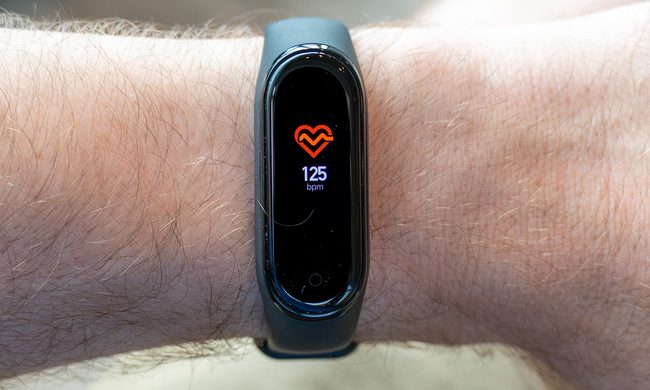
Xiaomi Mi Smart Band 4

Fitness trackers and smartphone apps may be doing more than just tracking you from your wrist. A new review published in the Journal of the American Heart Association found that people with cardiovascular disease who used smartphone apps, fitness trackers, or wearable devices were more active than those who did not use digital tools.

The review looked at 14 clinical trials involving 1,057 participants with diagnosed cardiovascular disease, including coronary heart disease, heart failure, heart attack, or stroke history. Compared to people who did not use these tools, participants using apps or wearable tech walked nearly 1,100 more steps per day and added about four extra minutes of moderate-to-vigorous physical activity daily.

Read more
A US state wants to ban smart glasses while driving, and it could open Pandora’s box
Drivers in Illinois may soon have to remove smart glasses before hitting the road
Snap Specs AR smart glasses

Smart glasses are rapidly evolving from niche gadgets into mainstream consumer technology. Devices from companies such as Meta, Google, Apple, and Snap are increasingly capable of displaying notifications, providing navigation, recording video, and even running AI-powered assistants directly in a user's field of view.

But one U.S. state is already asking an important question: Should drivers be allowed to wear them behind the wheel?

Read more