

The house is quiet, but you’ve already started receiving notes. In the near future, you wake up at 6:43 am.
The sleep tracker reports poor recovery. The watch recommends a lighter day, which is considerate, if not especially informed. Somewhere in the stack of sensors, last night has been converted into a verdict. There isn’t enough sleep or rest, and the day hasn’t even started asking for things yet.
The device isn’t being especially cruel. In 2024, CDC/NCHS found that 30.5% of U.S. adults had short sleep duration, and only 54.8% woke up well-rested.
The morning, apparently, now begins with a software intervention.
When the routine gets a management layer
By the time the front door opens, your routine has acquired a small staff.
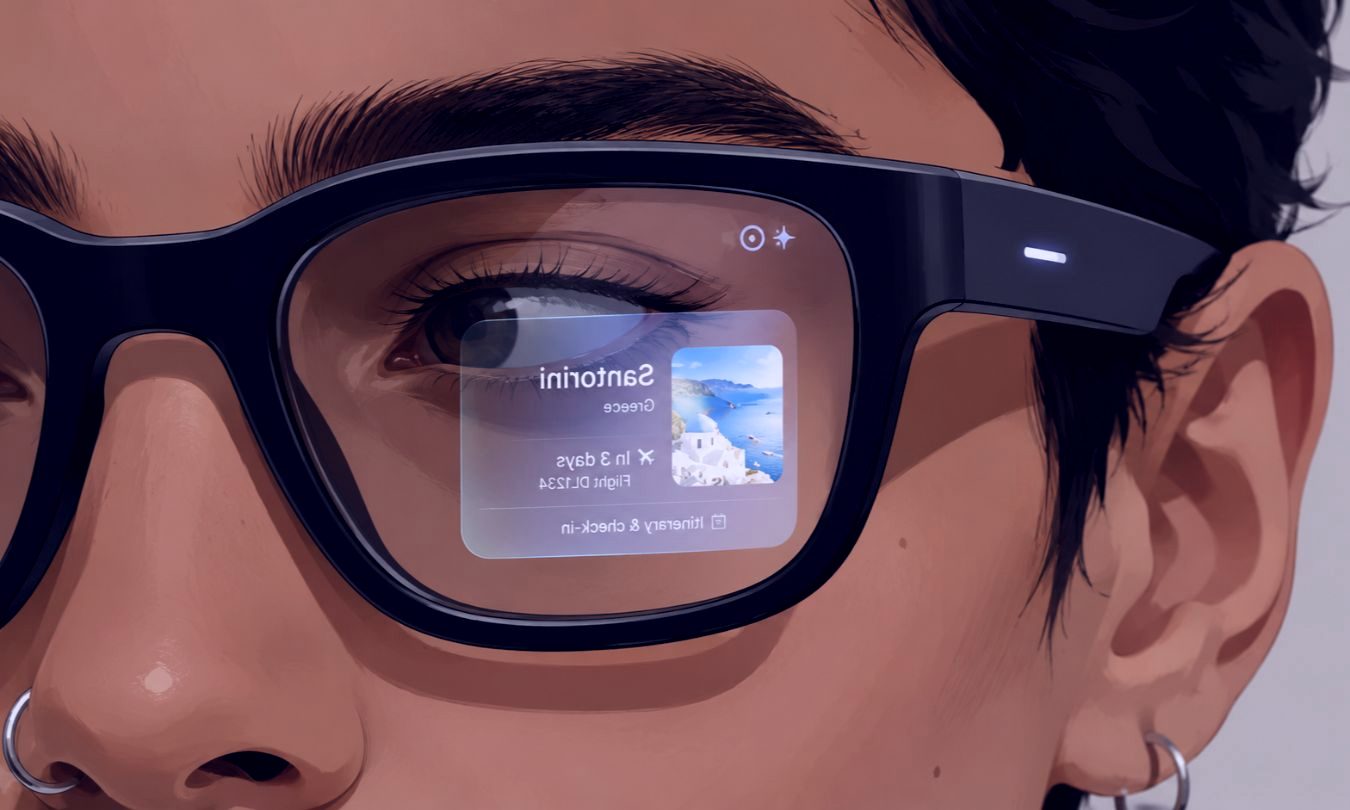
The smart glasses skim messages and calendar items into the corner of your eye.
The AirPods press the commute into something survivable.
The watch catches your heart rate, the ring follows your recovery, the glucose patch waits for lunch like a tiny food critic, and the posture tracker buzzes when your spine gives up pretending.
Somewhere below, the smart insoles notice your walk has changed.
The market is already moving in that direction, which is unfortunate for anyone hoping this stays a joke. Circana reported that US fitness tracker revenue grew 88% year over year in the first seven months of 2025, while smart ring unit volume jumped 195%. Smart rings also accounted for 75% of total fitness tracker revenue so far that year.
When lunch can file a report
Wearables aren’t satisfied with counting your steps and congratulating you for standing up anymore.
The category is drifting toward interpretation: recovery, glucose response, posture, strain, readiness, and the suspicious moral weather of your body.
The question was never whether these gadgets are useful. Many of them are.
Glucose monitoring shows the direction of travel. Ultrahuman recently announced M2 Live, a US continuous glucose monitoring service built around Abbott’s Lingo biosensor, with no prescription required. It costs $99 per month, with sensors sold separately for $129 and worn for up to 14 days.
The appeal is obvious. The joke is worse: lunch can now file a report.

When every fix becomes another nudge
One gadget disappears into a routine. Seven of them turn your routine into a meeting.
A watch can catch something real. A glucose patch can reveal a pattern. Smart glasses can make the day less messy. AirPods can make the commute less hostile.
The unease comes from the accumulation. The day keeps asking for more: more messages, more sitting, more rushed meals, more sleep debt, more cheerful little boxes to tap before work has even started. Then tech arrives with small corrections for every injury the day has already made. Breathe here for a minute. Stand up before the next call. Eat differently at lunch. Walk cleaner on the way home. Please consider becoming a slightly improved mammal.
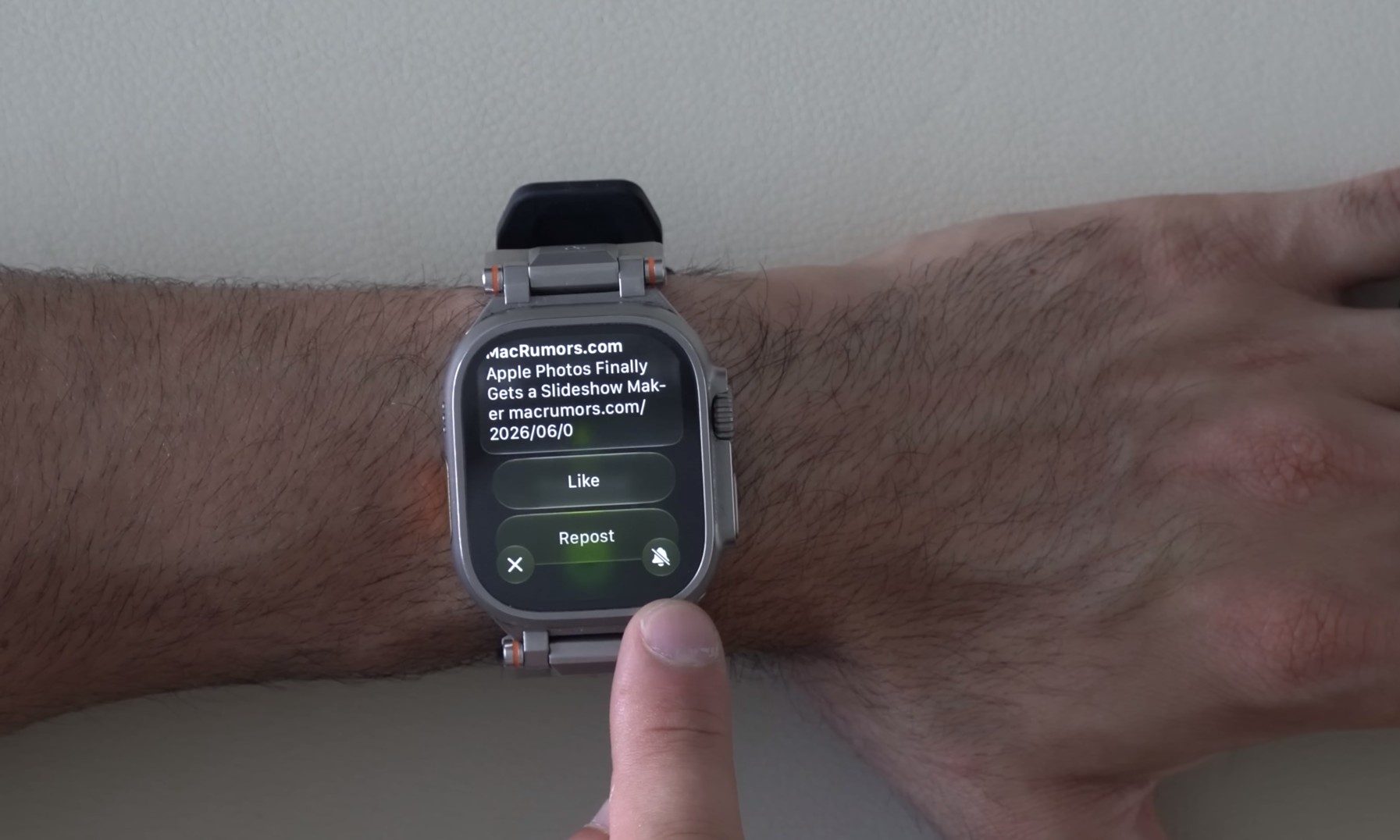
The question was never whether these gadgets are useful. Many of them are. The better question is what gets lost in the rounding.
The afternoon you wasted and didn’t regret. The version of yourself that exists outside the dashboard. The grief that didn’t resolve into a trend line. None of that generates clean data, and clean data is, increasingly, the most expensive thing you have to offer.
Your routine continues whether or not you’re really home.
The future cyborg won’t need a weapon. You’ll need a nap, and at least three devices will take credit for suggesting it.
And somewhere in a data center the size of a small city, a server notes that the nap was 23 minutes too short, flags the cortisol trend, updates your profile, and quietly adjusts tomorrow’s recommendations.
The house is quiet. Somewhere on your wrist, your finger, your spine, your foot, the notes keep coming.


