
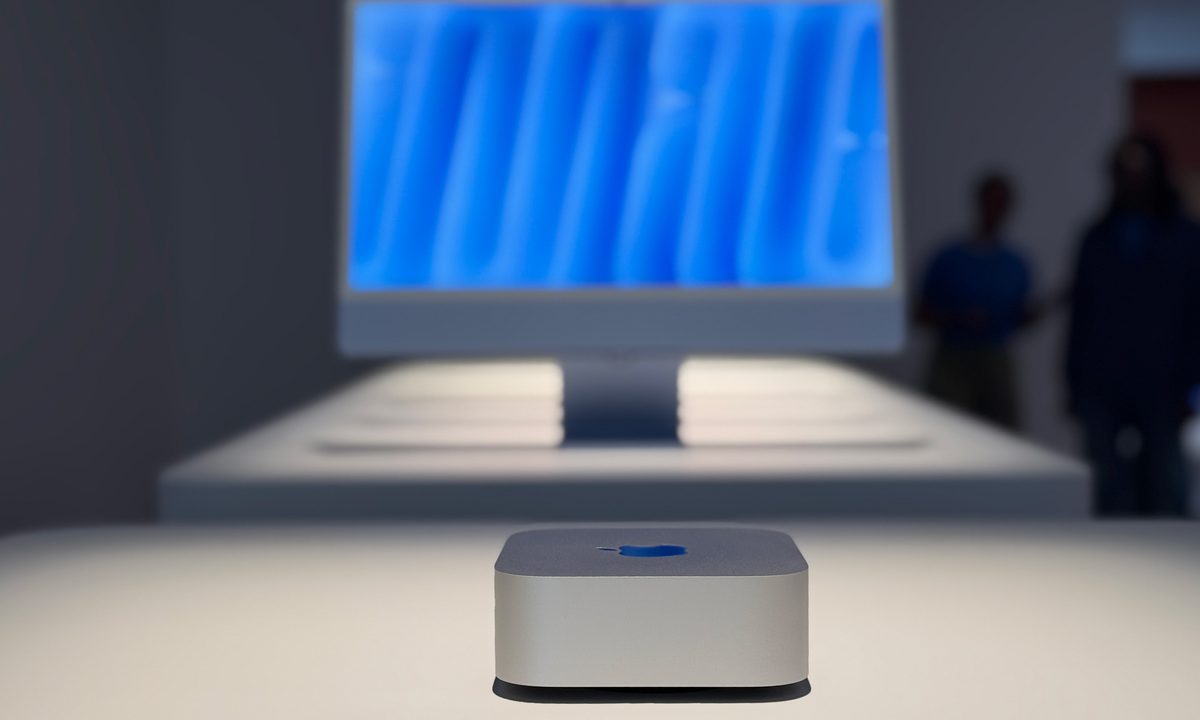
As of now, I spend my time split between a Windows PC and a MacBook Pro. Both serve their purpose to my needs, and as much as I’d like to unify everything into one device, I haven’t found a single machine that could truly fit.
Then, the M4 Mac mini came out. As I’ve considered a purchase, it has me rethinking my entire setup.
The surprising bit? Rather than replacing my MacBook Pro as you might expect, I’m seeing more and more reason to ditch my PC entirely and leave Windows behind for good.
It just works
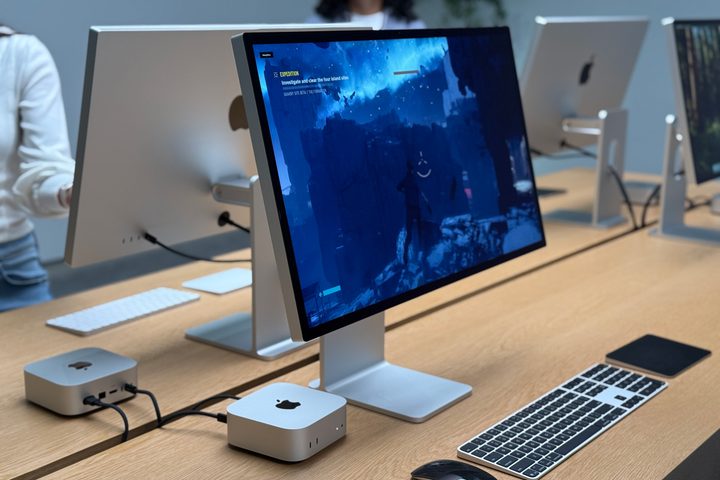
Switching from Windows to macOS would make my life a whole lot easier. Right now, I’ve got to work across different operating systems, remember different keyboard shortcuts, share files between my devices in different ways, and more. It’s a real hassle when it happens on a daily basis.
And then there are the constant little annoyances that come with Windows. I’ve used Microsoft’s operating system ever since I first became interested in computers more than 20 years ago, and I’ve had gripes with it for just about as long. Every Windows user can tell you about a different bug that they regularly suffer through, from apps crashing and freezing to weird visual quirks and odd system behavior. It’s just part of the Windows experience.
As someone who uses both Windows and macOS, I can tell you from experience that those irritations are far rarer on Apple’s operating system. Not only is macOS a different way of working but it’s a much more pleasant one, too. It’s one example where Apple’s famous “it just works” adage is more than just marketing guff — compared to Windows’ grating bugginess, it’s a key selling point.
Not only would eliminating Windows from my life put the sword to those problems but it would make my life easier in other ways. Instead of sharing files using a mix of Dropbox and AirDrop (depending on which device I’m using at the time), I could flip everything over to AirDrop. The best Windows apps I use on a daily basis work perfectly on macOS, and there’s a thriving ecosystem of the best Mac apps that aren’t available on Windows computers. There’s a lot to gain from making the switch.
The Mac gaming machine
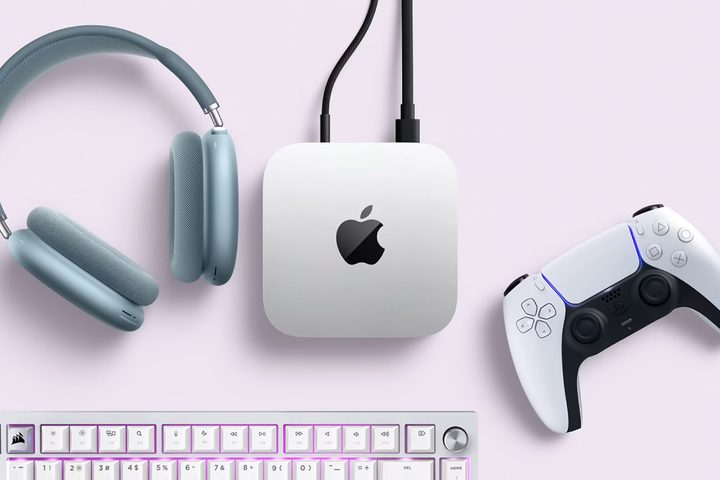
There’s another big reason for me to end my friendship with Windows. Over the last few years, the main thing that has stopped me from permanently giving up on Windows has been gaming. I play a lot of games, and the PC world’s combination of powerful discrete GPUs and unparalleled games compatibility is something the Mac simply has not been able to match for years.
With the M4 Mac range, though, that’s all changing. In our M4 Pro Mac mini review, we found its gaming performance to be roughly on par with the Nvidia RTX 4060 graphics card. My current Windows PC contains an RTX 3070, which likely offers slightly better performance than the M4 Pro. So why would I want to drop down graphically?
Well, it’s not quite as simple as that. The games I play the most right now — the likes of Stardew Valley and Football Manager — are not exactly graphically intense. Those games I play that are more graphically intense — Baldur’s Gate 3, Cyberpunk 2077 — are now readily available on the Mac. With the M4 Pro, they run as smoothly as I need them to.
My concern would be for future titles — will the M4 Pro be able to keep up as games get progressively more demanding? Although the progress is promising, there are no promises. The good news is that, knowing myself, this will be a minor concern. My Steam backlog is a mile long and I’m not the type of gamer who wants to play everything at 4K resolution, 240 frames per second, ray-tracing-enabled, melt-my-face-off quality. The fact that my most-played game over the last month is a pixel art farm simulator should attest to that fact.
Paying the price
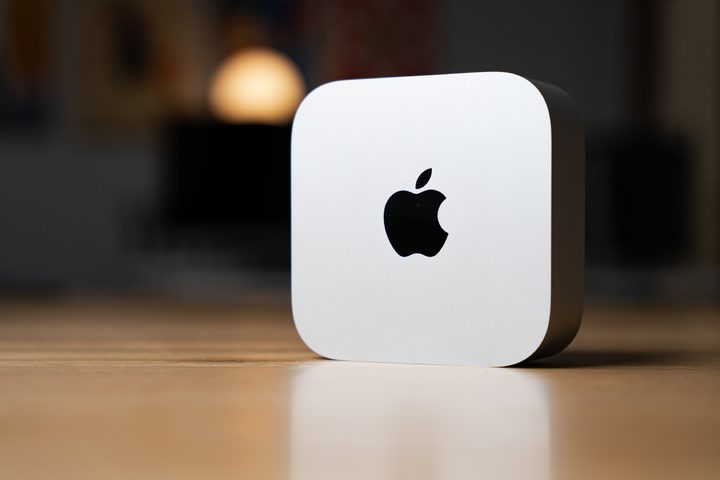
Migrating from Windows to macOS is not a total slam dunk in favor of Team Apple. For one thing, I love planning and building my own PCs, and being able to pack so much power into a small-form-factor case was a major draw for me. The Mac mini can beat my PC hands down when it comes to the titchy footprint, but Apple is famously restrictive when it comes to Mac customizations. There would be no more custom PC building for me if I went all-in on macOS.
As well as that, there’s the annoying power button placement on the Mac mini. It might not seem like much, but I’m one of those rare dinosaurs that still fully turns off their computer at the end of each day instead of just sending it to sleep. Using the awkward power button would be a daily occurrence, and I’d probably have to build some sort of custom switch to stop myself from going insane.
Ultimately, though, those are hardly dealbreakers for me, especially since I only build a new PC once every few years and could just put the Mac mini to sleep instead of switching it off. The attraction of operating within a unified ecosystem, alongside Apple’s newfound gaming enthusiasm, means the benefits outweigh the drawbacks.
The only remaining hitch is the one that has plagued Apple fans for years: the price. You really do pay for Apple quality, and in my case, getting a new Mac mini is likely to set me back somewhere in the region of $3,000. I need 4TB of storage and the M4 Pro chip, while I’m unsure if the Mac mini’s 24GB of memory will be enough to match my PC’s 32GB, even considering its superior unified architecture. Those upgrades are enough to make your eyes water.
But if shelling out on a souped-up Mac mini lets me unify my desk setup, purge Windows annoyances from my life, and still enjoy the games I love the most, it could be a price worth paying. Now all I’ve got to do is start saving.


