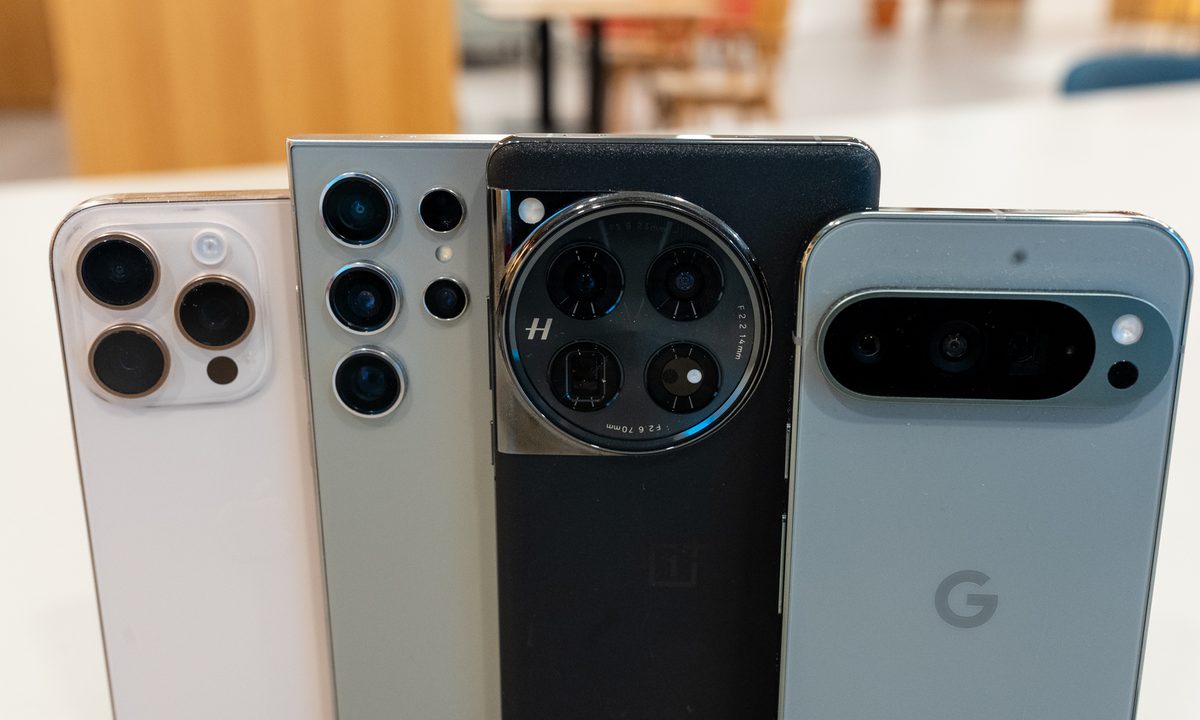
The year 2025 ended on a solid note for smartphones. Apple finally embraced a fresh design for its Pro phones, armed them with all-big sensors, and equipped them with a vapor chamber, while simultaneously delivering a knockout punch with the iPhone 17.
Samsung ended the year on a rather futuristic note by delivering a new breed of foldable phones, the Galaxy Z TriFold. OnePlus proved that a massive battery can power a sleek flagship phone without making it look like a tank, or costing a fortune.
Honor went a step ahead and put a physical fan and an even bigger battery inside a normal-looking phone. Vivo took the reverse route and made a palm-friendly phone that knocked it out of the park across the board. The year 2026 is shaping up to be yet another year for smartphones, but the big hits may not come from Apple or Samsung. Instead, it’s the players operating outside the US market that are lined up for a breakout year.
Xiaomi 17 Ultra by Leica
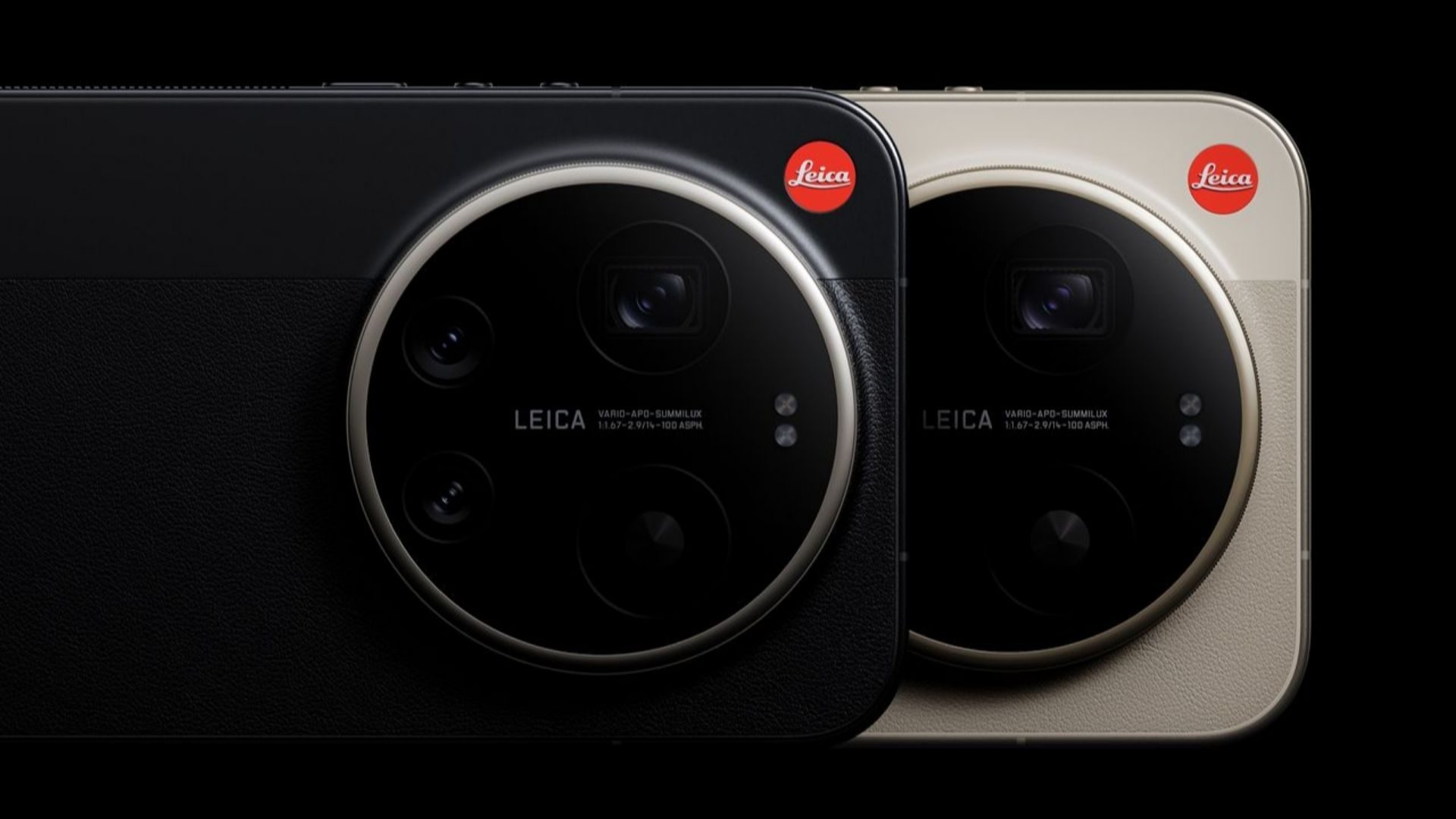
This is not a concept phone. Xiaomi took its camera partnership with Leica to the next level by designing a special trim of its latest flagship. You see that metallic ring at the back of the phone, surrounding the camera island? Well, it’s not a design element.
Instead, it’s a fully-functioning zoom ring, inspired by Leica’s cameras. Underneath the ring is a system of 20 high-strength ball bearings that offer tactile feedback at each stop. Underneath, Xiaomi has also fitted an optical displacement sensor that can measure movements as small as 0.03 millimeters.
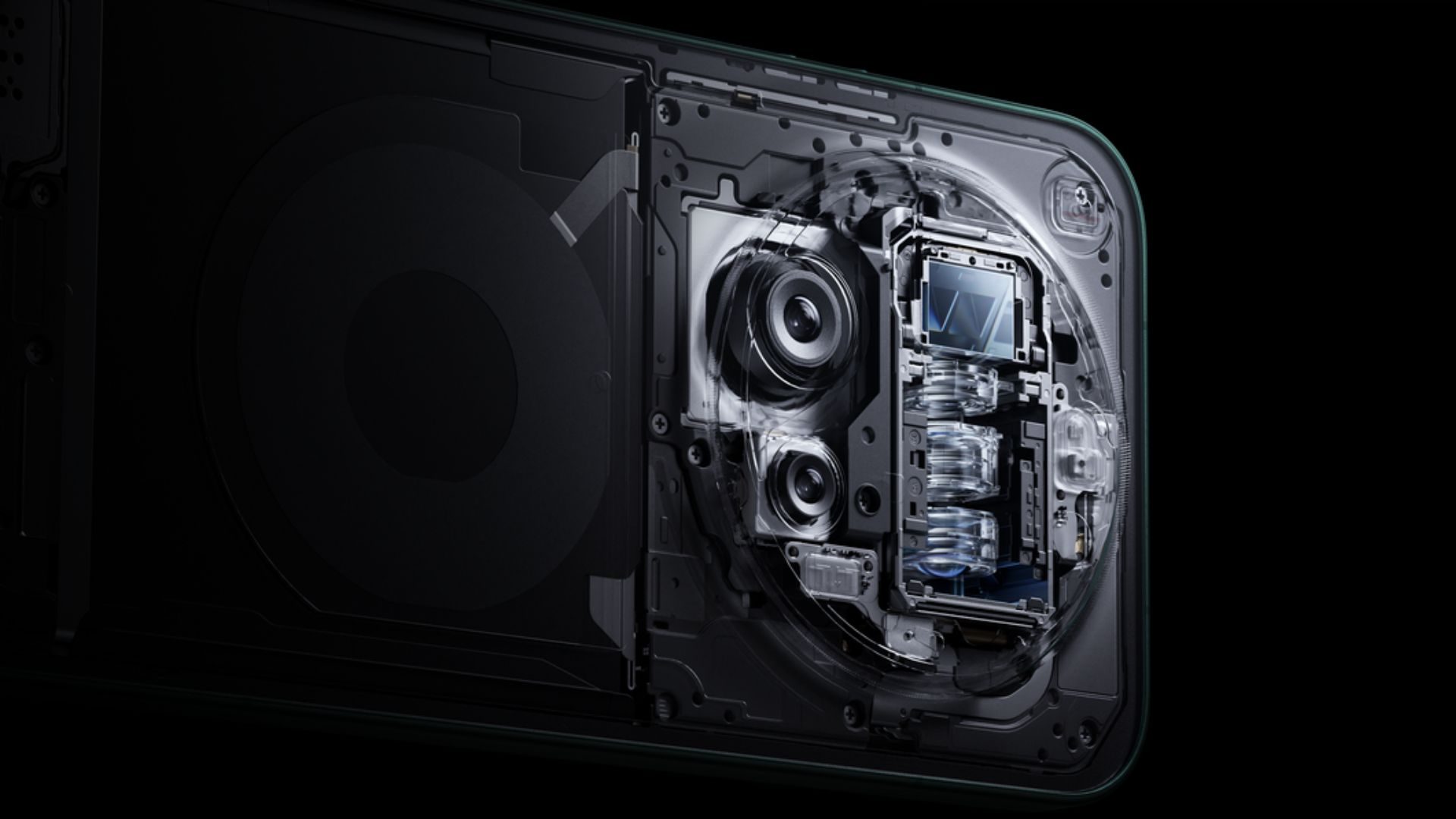
The overarching idea is to let users achieve precise zoom controls, unlike the finicky system that Apple implemented on the recent iPhones with the Camera Control button. And despite all that custom engineering, the phone still maintains IP69 dust and water protection, the best that the industry has to offer.
Of course, the phone also looks like a million bucks, thanks to the dual-tone leather-touched Leica camera-inspired looks, with beautiful grip texture on the metallic frame. But it’s really the imaging hardware that steals the spotlight.
The show is deadline by a 1-inch Light Fusion 1050L sensor with a 50-megapixel resolution, alongside a 50-megapixel ultrawide snapper. The periscope-style zoom camera relies on a massive 200-megapixel sensor that also doubles as a macro snapper.
In my time with the Xiaomi 15 Ultra, it emerged as one of the most powerful camera phones I’ve tested so far. The Xiaomi 17 Ultra is poised to exceed those benchmarks. The rest of the package is no less impressive. You get a top-shelf Qualcomm silicon, a 6,800 mAh battery with 90W charging support, and a 120Hz OLED screen that is brighter than the iPhone 17 Pro. I can’t wait to push this one.
Oppo Find X9 Ultra
The Oppo Find X8 Ultra is the best smartphone that I have tested in 2025. But one area where it truly exceeded expectations was the camera performance. It came equipped with a total of five rear cameras, two of them tasked with long-range capture, while the main snapper relied on a big 1-inch sensor.
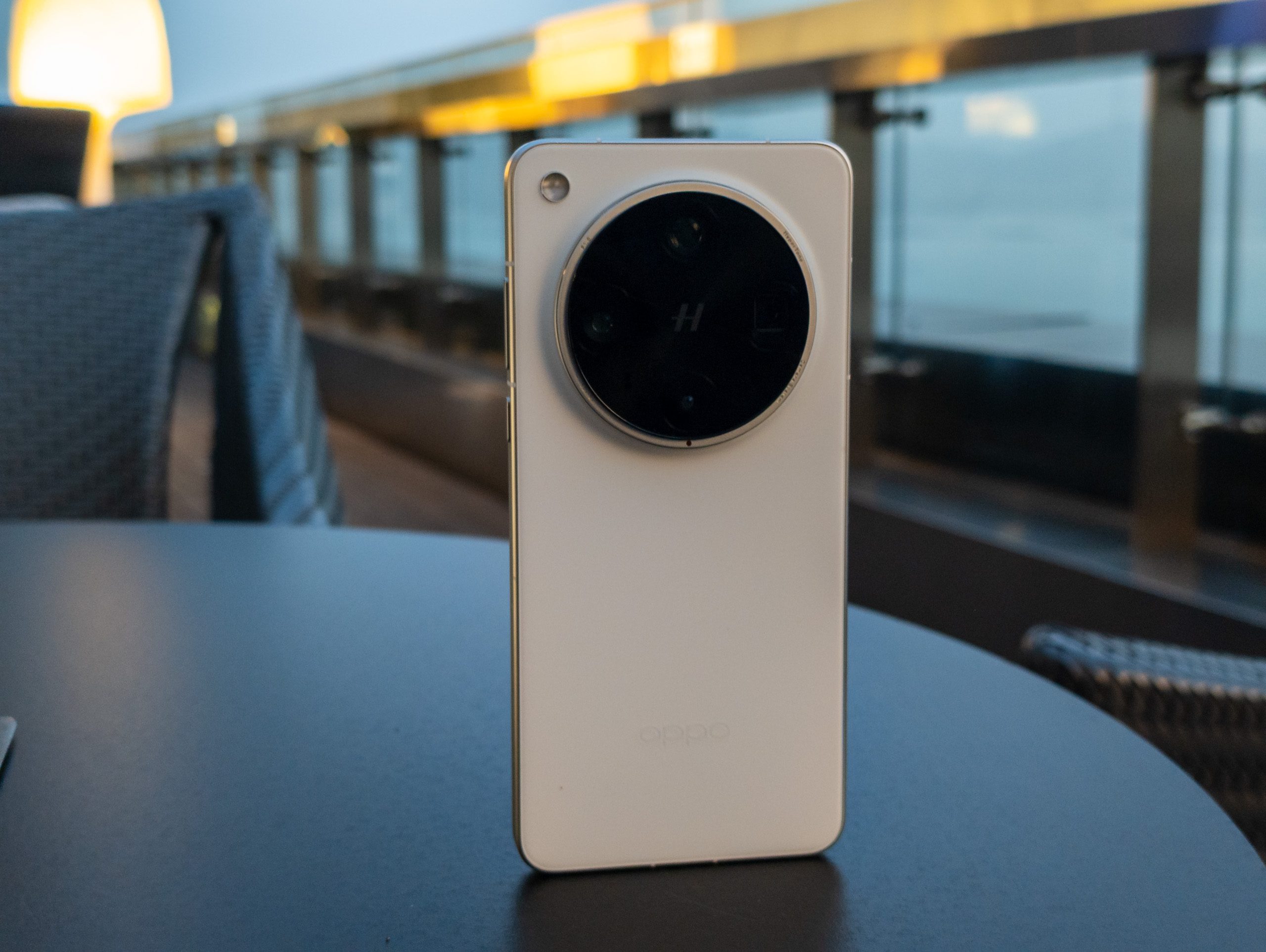
Even at the 6x zoom level, the phone captured terrific portrait shots, and its low-light performance was also pretty impressive. The main sensor captured an astounding level of detail in still shots, with terrific contrast and near-perfect color reproduction.
Its successor is gearing up to do one better. As per leaks that have emerged so far, the Oppo Find X9 Ultra could feature not one, but two cameras with a 200-megapixel resolution. It seems Oppo is ditching the 1-inch main sensor, and will instead go with a smaller sensor that offers a higher resolution. Leaks, however, suggest that it’s a new imaging pipeline where the physically smaller 200-megapixel sensor actually collects more light than a 1-inch sensor.
The telephoto camera is also going to be a crucial upgrade on this one. Oppo is reportedly eyeing a 50-megapixel snapper that can deliver an unprecedented 10x optical zoom output, nearly double compared to heavyweights like the iPhone 17 Pro and Google Pixel 10 Pro. It could deliver near-lossless long-range capture output within the 230-460mm zoom range.
Oppo has already confirmed a massive battery for the phone, well over 7,000 mAh in capacity, and it’s sure to tag alongside blazing fast charging tech. As far as the launch date goes, the company is reportedly targeting a March reveal for the Find X9 Ultra.
Vivo X300 Ultra
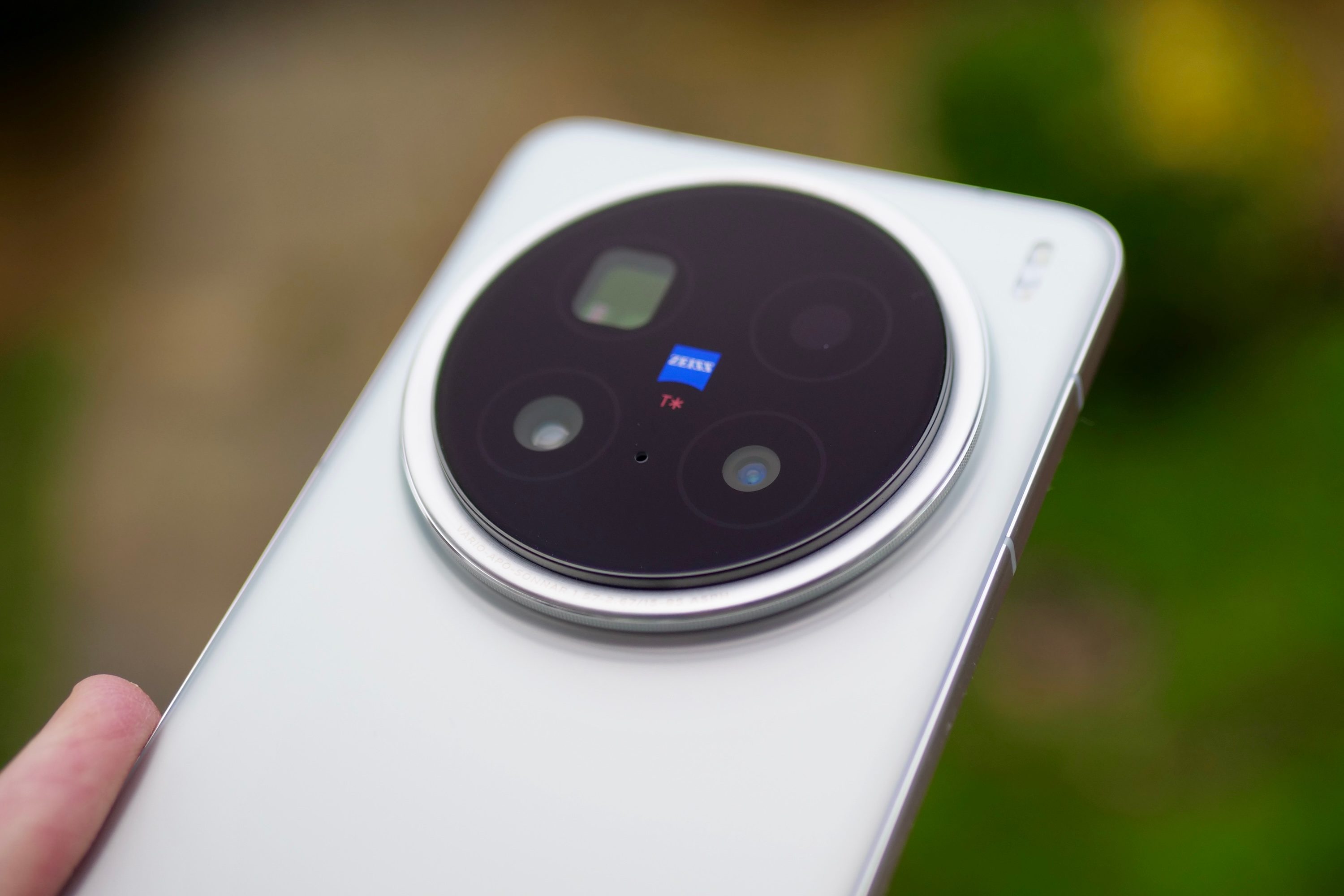
Vivo has been making camera-centric phones for years, and it actually pushed a few camera breakthroughs into the mainstream. When the Vivo X200 Ultra landed earlier this year, it attracted rave reviews. When I tried it for a few weeks, the phone’s 200-megapixel folded lens zoom system blew me away.
It also emerged as one of my favorite ultrawide cameras in the segment, even though the main snapper was in a league of its own. The imaging pundits at DigitalCameraWorld called it “more camera than phone,” while DXOMark ranked it right at the top for stills capture.
The successor is shaping up to be an imaging behemoth, once again. Leaks suggest that the upcoming Vivo X300 Ultra will come armed with a pair of 200-megapixel sensors, one for regular capture, while the other one will be deputed for long-range zoom duties.
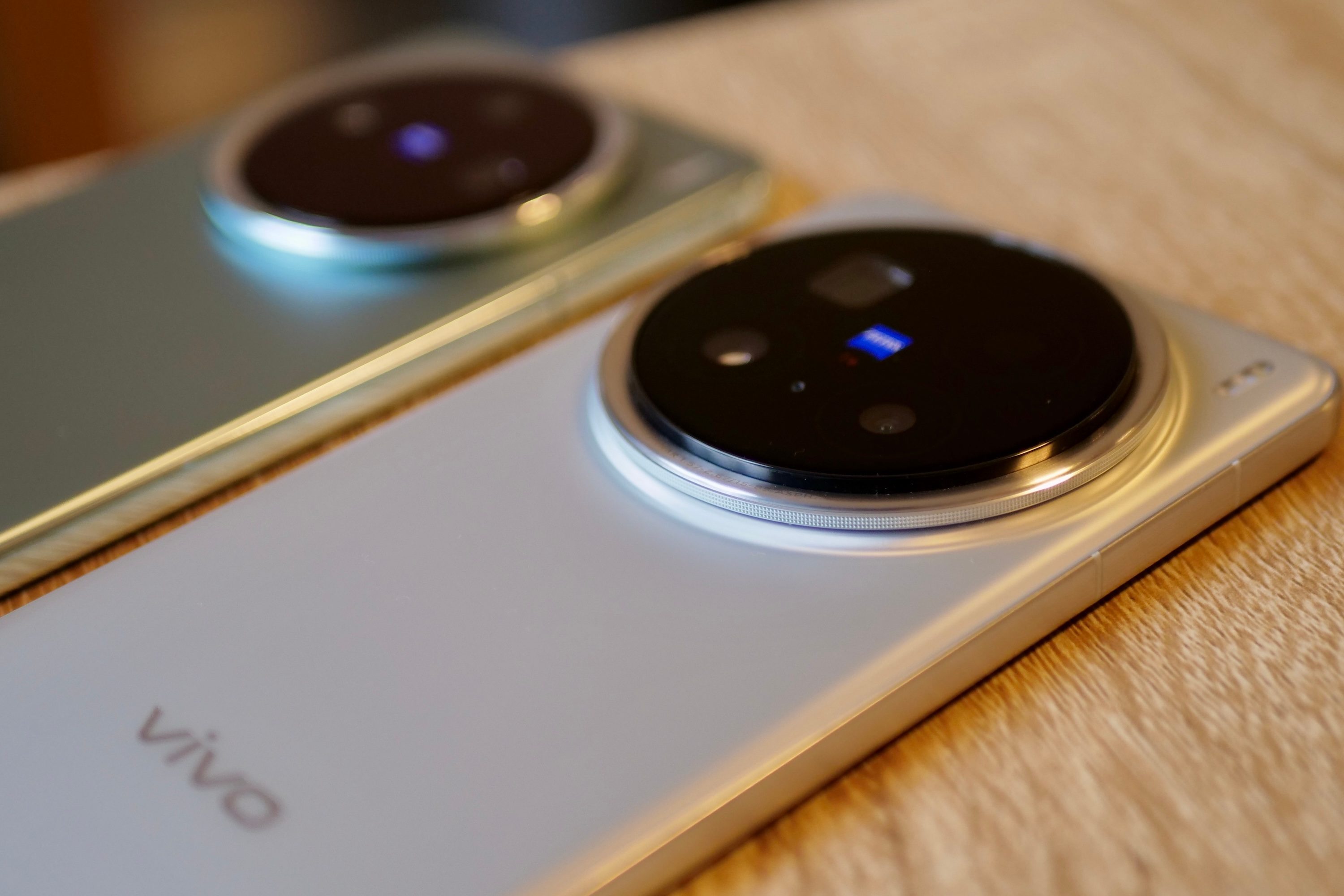
The latter will reportedly deliver 4x in-sensor lossless zoom, while the ultrawide snapper will push a 50-megapixel sensor. The rest of the package is going to be pretty impressive, as well. We are also hearing murmurs of a 2K 120Hz OLED screen, a 7,000mAh battery, and Qualcomm’s Snapdragon 8 Elite Gen 5 chipset running the show. The phone has already appeared on regulatory listings, and it looks like a global launch is right around the corner.
It would be interesting to see what new imaging features Vivo serves atop the X300 Ultra, and how it will fare against the Oppo Find X9 Ultra and the Xiaomi 18 Ultra. But the message is clear: there is little room for mediocrity left.
Apple pulled off a long-awaited big overhaul with the iPhone 17 Pro this year, which means the successor is going to be an iterative one with less flashy upgrades. As fas as the Galaxy S26 Ultra goes, it seems Samsung isn’t going to deliver any exciting upgrades. I’m just curious how these two giants push the envelope for innovation next year, but for me, they sure are not worth being excited about in the face of better options from the East.