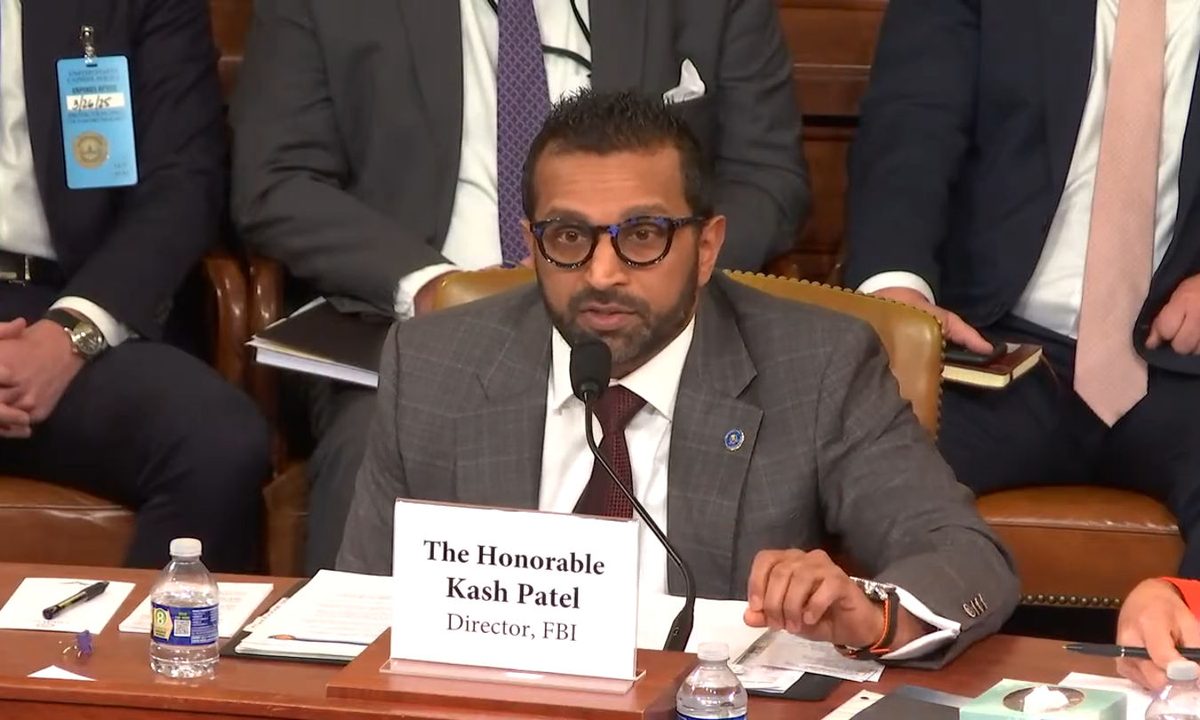
The FBI is once again buying location data on Americans, confirming a surveillance method that had largely faded from public view. During a Senate hearing this week, Director Kash Patel said the agency is purchasing data sold on the open market that can reveal where people go and how they move.
This is the first clear acknowledgment since 2023, when the FBI said it had stepped away from the practice. That position has now changed, and the shift raises fresh questions about how investigators access sensitive digital trails.
The difference comes down to source. Instead of requesting records from phone carriers, which usually requires a warrant, the FBI is turning to data brokers that collect location history from apps and connected devices.
That gap in how the data is obtained creates a real opening. Investigators can access detailed tracking information under looser rules, even as courts have tightened limits on direct requests to telecom providers.
How the FBI is getting this data
Patel said the agency relies on information it considers legally available under existing privacy laws, including the Electronic Communications Privacy Act.
The legal line hinges on who holds the data. A 2018 Supreme Court ruling requires law enforcement to get a warrant for location records from cell providers, but that protection does not apply to data sold by third parties.

That allows investigators to buy similar movement data from brokers that gather it through apps, ad networks, and other digital services. Patel indicated this approach has already delivered useful intelligence, reinforcing why the agency continues to use it.
Why this is sparking backlash
The reaction in Congress is split and increasingly tense. Sen. Ron Wyden argued during the hearing that buying this type of data without a warrant sidesteps Fourth Amendment protections, especially as modern tools make the data more revealing.
The scale of analysis is a major concern. With artificial intelligence, agencies can process massive datasets and reconstruct detailed movement patterns from what might seem like simple location points.
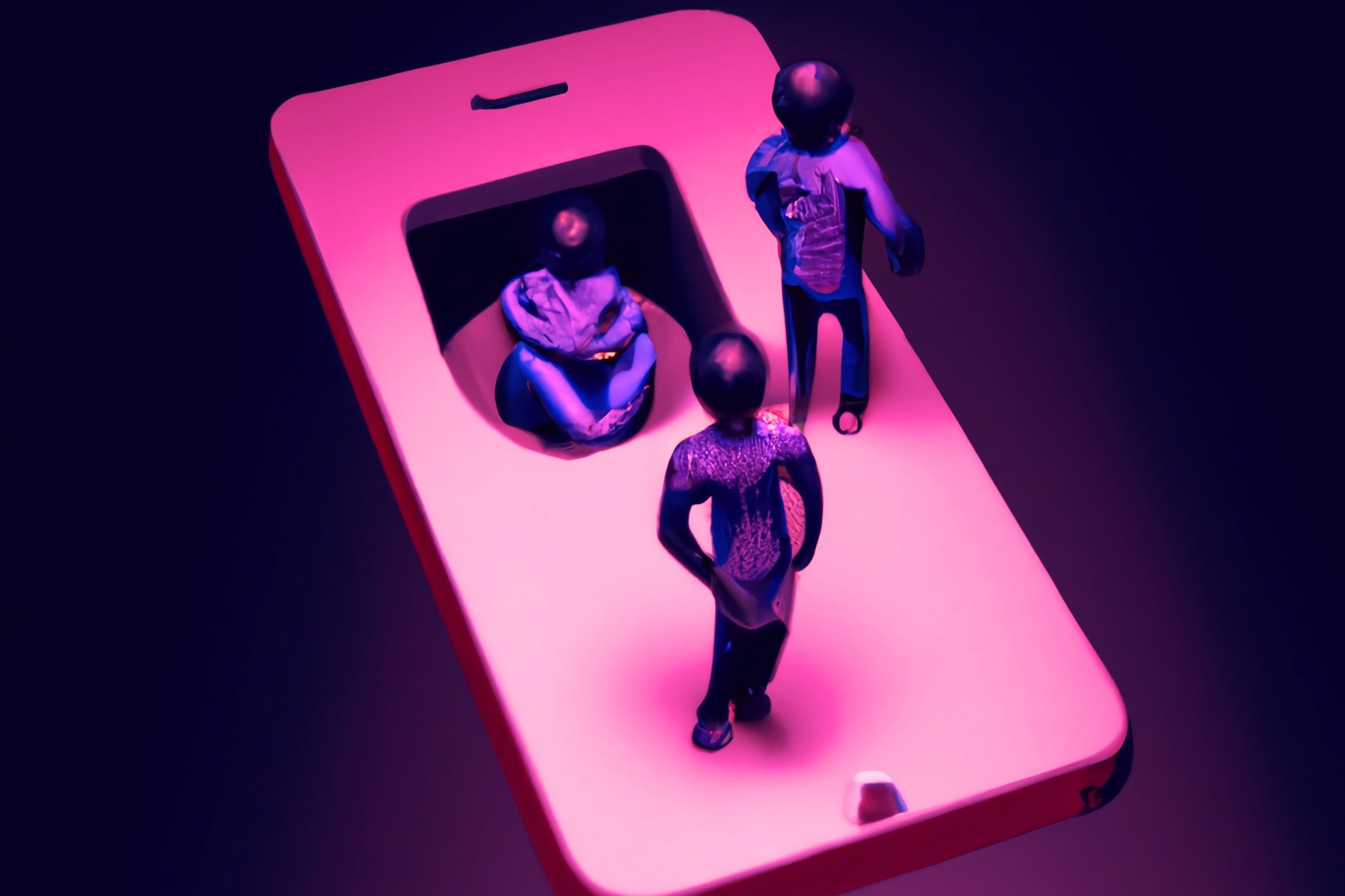
Others defend the approach, arguing that if the data is legally available for purchase, law enforcement should be able to use it to pursue serious crimes. The disagreement highlights a widening divide between privacy expectations and security priorities.
What happens next for your data
Lawmakers are already trying to respond. A bipartisan bill introduced on March 13 would require federal agencies to obtain a warrant before buying Americans’ personal data, aiming to align commercial data purchases with existing surveillance rules.
The proposal reflects growing concern that privacy laws have not kept pace with how data is collected and sold. As things stand, agencies can access detailed location histories through commercial channels that would otherwise require court approval.
There is no clear timeline for changes, and the practice remains legal for now. Still, this public confirmation is likely to intensify scrutiny and push the issue further into the spotlight.
For now, your location data may already be circulating in a commercial marketplace, and the rules governing who can access it are still catching up.