
  1. Home
  2. Emerging Tech
  3. News

AI is getting surprisingly good, but research says AI creativity is just a myth

New research says generative AI can mimic creativity, not truly create.

Add as a preferred source on Google
Person wearing futuristic high tech virtual reality glasses
Freepik

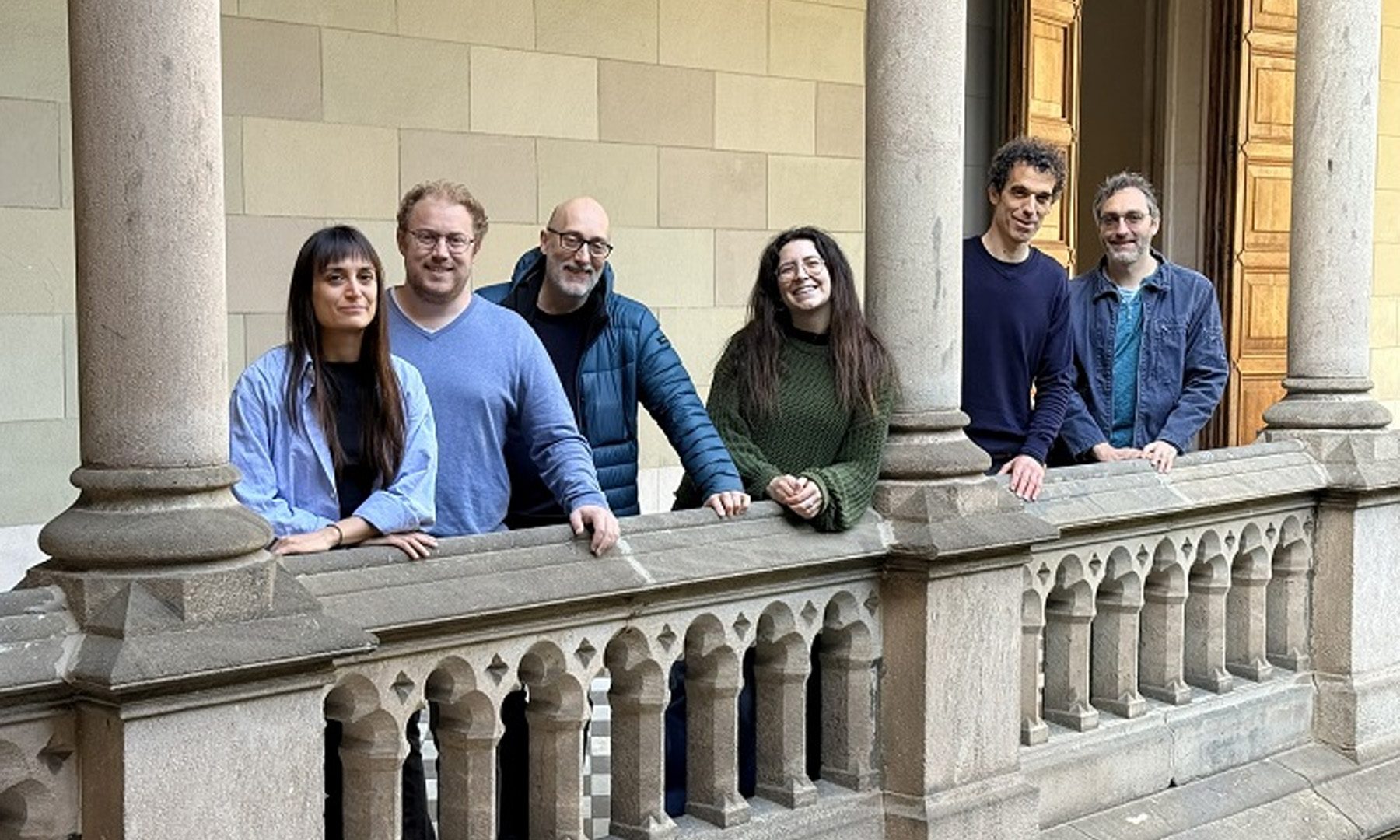
AI might be getting impressively good at writing, designing, and even brainstorming. But when it comes to true creativity, humans still have the edge. A new study published in Advanced Science by researchers from the University of Barcelona’s Institute of Neuroscience, along with collaborators from IDIBELL, CVC-UAB, and the Vienna Cognitive Science Hub, argues that AI’s “creativity” isn’t genuine. Instead, it only appears that way on the surface.
The research shows that while generative AI can produce outputs that appear creative, it largely recombines patterns from existing data rather than generating truly original ideas. In fact, it suggests AI struggles with the deeper “thinking process” behind creativity, even if the final output seems impressive. In other words, AI can mimic creativity, but it doesn’t really understand it.

Isn’t AI beating humans in creativity tests?

Yes and no. Large-scale studies comparing AI with over 100,000 human participants found that AI can actually outperform the average person on certain structured creativity tests. But here’s the catch: the most creative humans still consistently outperform AI, often by a significant margin. So while AI raises the baseline of creativity, it still struggles to reach the top tier, where originality, intuition, and unique perspective come into play.
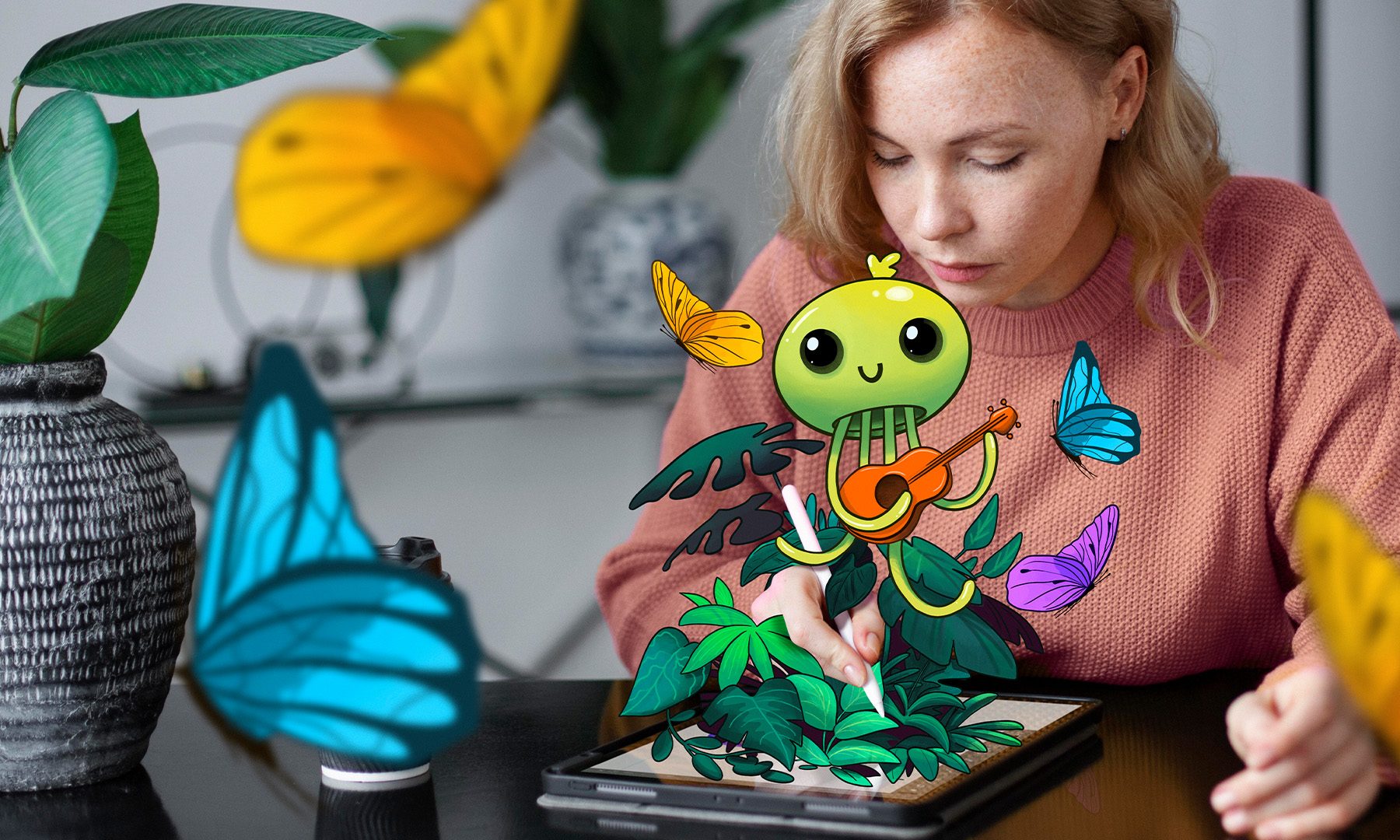
That’s because human creativity is shaped by emotion, experience, context, and personal perspective. Basically, things AI simply doesn’t have. Additionally, AI tends to converge toward familiar patterns. Some research even shows AI-generated content can become repetitive or fall into clichés without human guidance. That’s why AI works best as a creative assistant, helping generate ideas or speed up workflows, and not as a replacement for human imagination.

So… is AI the artist or just the assistant?

This isn’t AI vs humans, but AI with humans. These tools are great at raising the floor, helping anyone come up with solid ideas faster than ever. But the ceiling? That still belongs to people. AI might remix, refine, and accelerate creativity, but that unpredictable spark, the kind that creates something truly original, is still very much a human superpower.


Varun Mirchandani
Varun is an experienced technology journalist and editor with over eight years in consumer tech media. His work spans…
The FBI secretly built an entire fake town just to practice cyberattacks
Hidden inside a warehouse in Alabama, the Kinetic Cyber Range recreates real-world digital attacks from start to finish.
FBI Kinetic Cyber Range Featured

While Hollywood has fake cities for filming movies, the FBI apparently has one for getting hacked. The agency has pulled back the curtain on its Kinetic Cyber Range, a 22,000-square-foot replica small town hidden inside its Huntsville, Alabama campus. But instead of training officers for shootouts or hostage rescues, the facility is designed to simulate realistic cyberattacks on homes, businesses, and critical infrastructure so investigators can practice responding to them in a controlled environment.

The FBI built an entire town just to simulate cybercrime

Read more
Brazil’s secret World Cup weapon taught the team when to ignore it
The data said he wasn't running enough. The footage said he was always in the “perfect tactical position.”
Soccer ball in net

Brazil has more World Cup titles than anyone, five of them to be precise, but after going through five straight tournaments without adding to that count, the team is leaning hard on data this time. 

Every player wears a sensor-packed "smart vest" tracking field position (via GPS), heart rate, and a stat called "player load," the same kind of numbers that your Whoop band or Apple Watch brags about, but tuned specifically for the sport.

Read more
New OLED breakthrough could make the next see-through screen actually worth using
The electrode fix that could finally make see-through screens worth looking at.
Computer Hardware, Electronics, Hardware

Every transparent OLED demo I’ve seen so far looks amazing for about ten seconds, right before I notice how dim or smudgy it actually looks. A big part of the problem is the role that electrodes play in the design. 

A transparent display requires a see-through electrode that sits on top of incredibly delicate organic light-emitting layers. However, most of the usual options either conduct electricity poorly or risk damaging those layers during manufacturing. 

Read more