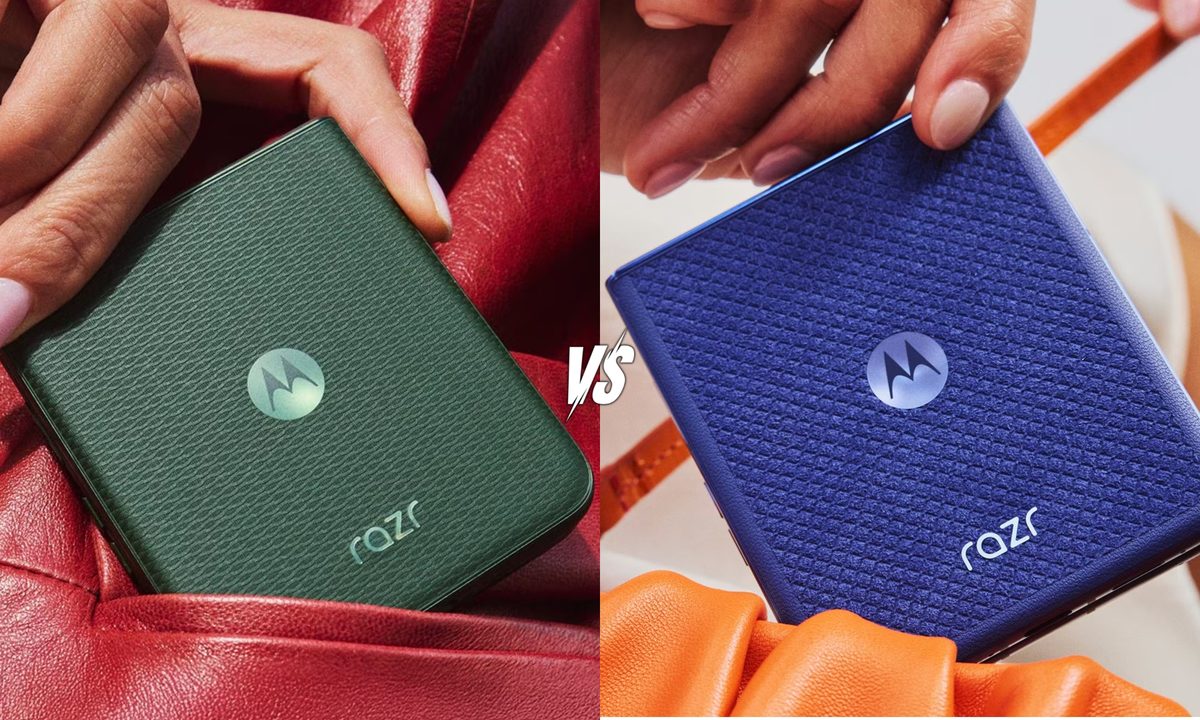
Four hundred dollars is a significant amount: it could be a weekend trip, a decent mirrorless lens, or a perfectly capable budget Motorola smartphone. Yet here we are, staring at two Razr phones that look remarkably alike, run the same version of Android, share the same rear camera array, and flip the same way into your pocket — the $1,099 Razr+ and the $1,499 Razr Ultra.
While the base Razr (2026) sits in a totally different category, the real confusion lies between the Razr+ (2026) and the Razr Ultra (2026). To help you with that, I’ve spent hours juggling between the product’s spec sheets and zooming in on every single detail. For me, it’s not about declaring the winner, but about finding out which is the right Motorola flip phone for you.
Razr+ (2026) vs. Razr Ultra (2026): Specifications at a glance
| Razr+ 2026 | Razr Ultra 2026 | Difference | |
| Price | $1,099 | $1,499 | $400 |
| Dimensions | Unfolded: 171.4 × 74 × 7.1mm Folded: 88.1 × 74 × 15.3mm189g | Unfolded: 171.5 × 74 × 7.2mm Folded: 88.1 × 74 × 15.7mm199g | 10 grams havier and a hair thicker |
| Inner display | 6.9″ Extreme AMOLED, LTPO 165Hz, 3,000 nits, 414 ppi | 7.0″ Extreme AMOLED, LTPO 165Hz, 5,000 nits, 462 ppi | 10 grams heavier and a hair thicker |
| Cover display | 4.0″ LTPS AMOLED, 165Hz, 2,400 nits | 4.0″ LTPO AMOLED, 165Hz, 3,000 nits | LTPO with higher brightness |
| Processor | Snapdragon 8s Gen 3 (4nm) | Snapdragon 8 Elite (3nm) | Faster and more efficient chip |
| RAM / Storage | 12GB / 256GB | 16GB / 512GB | More RAM and storage |
| Rear cameras | 50MP (f/1.8, 1/1.95”) + 50MP (f/2.0) ultrawide | 50MP (f/1.8, 1/1.56”) + 50MP (f/2.0) ultrawide | Larger primary sensor |
| Front camera | 32MP (f/2.4) | 50MP (f/2.0) LOFIC sensor | Higher resolution, wider aperture |
| Battery | 4,500mAh | 5,000mAh | More battery capacity |
| Wired charging | 45W wired, 15W wireless | 68W wired, 30W wireless | Less charging time |
| Cover glass | Gorilla Glass Victus | Gorilla Glass Ceramic 3 | Stronger glass |
| Materials | Woven jacquard (Mountain View) | Alcantara / Natural wood veneer | |
| Operating System | Android 16 (same) | Android 16 (same) | Identical |
| Water resistance | IP48 (same) | IP48 (same) | Identical |
Price and availability
Both phones will be available for pre-orders starting May 14, 2026, and hit shelves on May 21, 2026. The Razr+ comes in at $1,099, a $100 hike over last year, while the Razr Ultra jumps $200 to $1,499.
The more overlooked difference is how you actually buy them. The Razr+ is available through AT&T at launch and T-Mobile later in 2026, meaning carrier financing, trade-in deals, and installment plans are all on the table. The Razr Ultra skips carrier retail entirely.
| Razr+ 2026 | Razr Ultra 2026 | |
| Price | $1,099 (+$100 vs. 2025) | $1,499 (+$200 vs. 2025) |
| Pre-order | May 14, 2026 | May 14, 2026 |
| On sale | May 21, 2026 | May 21, 2026 |
| Where to buy | Motorola.com, Best Buy, Amazon, AT&T, T-Mobile (later) | Motorola.com, Best Buy, Amazon only |
| Carrier retail | AT&T (launch), T-Mobile (later), no Verizon retail | No carrier retail |
| Network support | AT&T, T-Mobile, Verizon, most MVNOs | AT&T, T-Mobile, Verizon, most MVNOs |
Similar form factors yet different in-hand feel
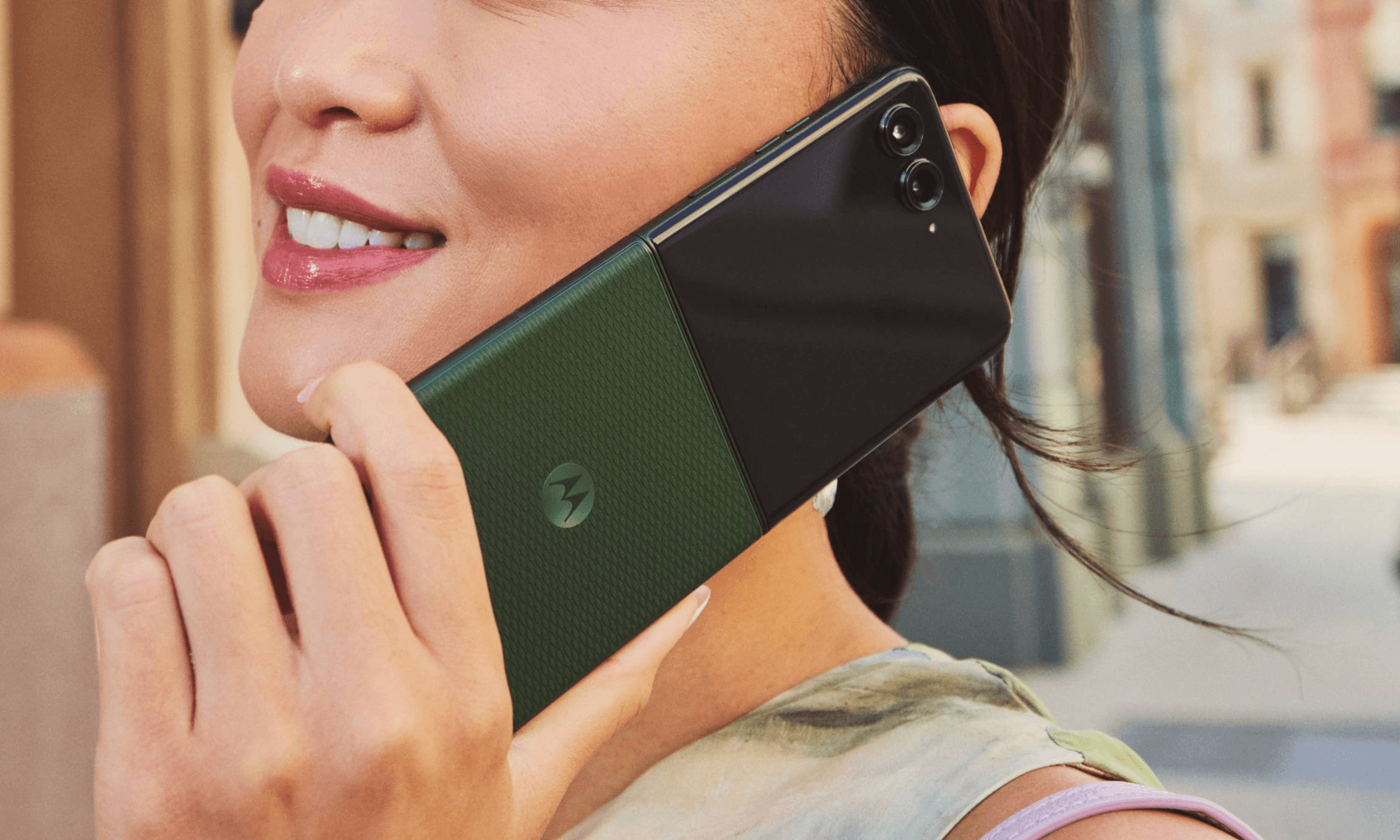
Unfold the phones, and you’d struggle to tell them apart due to nearly identical dimensions, the same titanium hinge inner structure and four-inch cover display, and the identical IP48 ingress protection rating. Yes, the Ultra is 0.4 mm thicker and 10 grams heavier, but these aren’t the real-world differentiators.
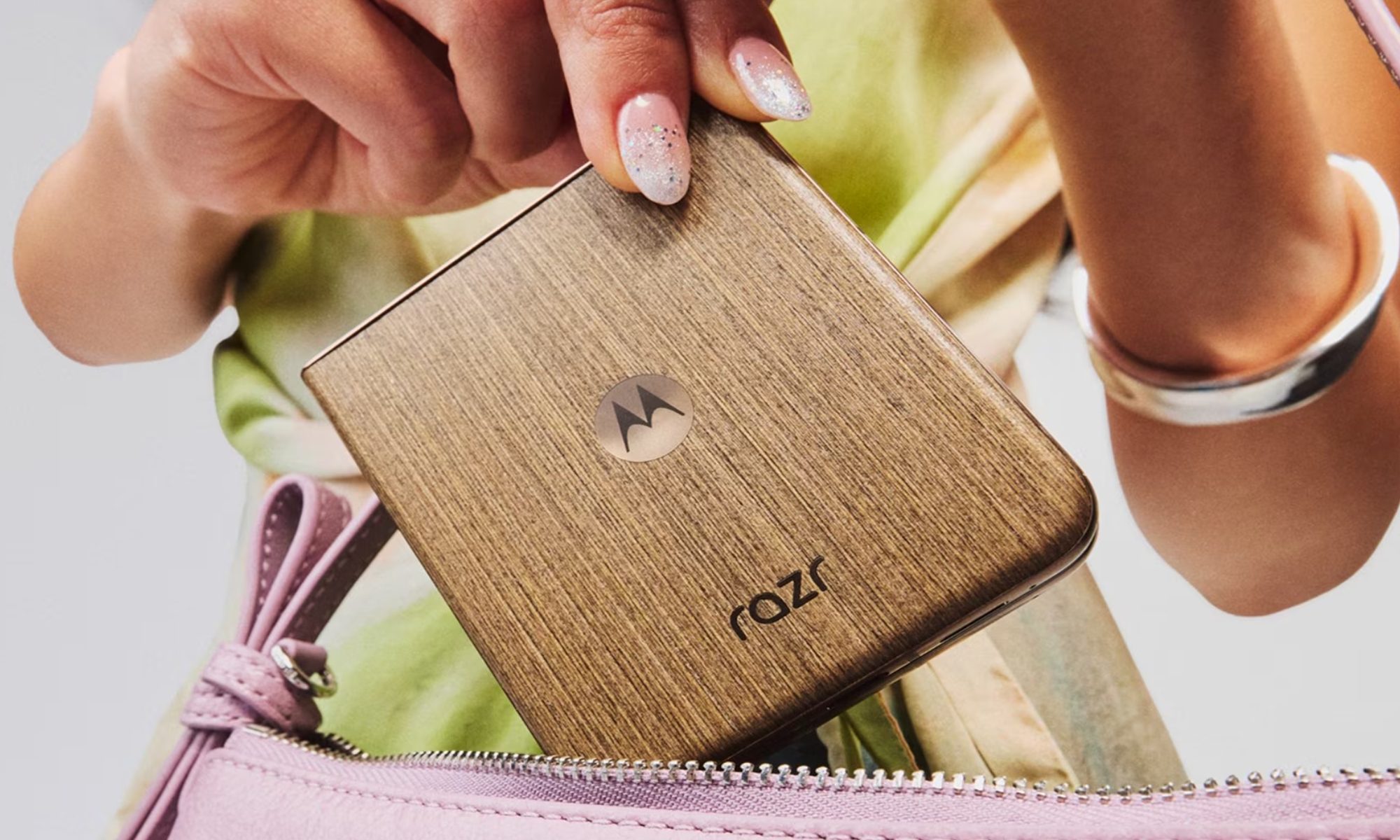
It’s the Razr Ultra’s Alcantara back that sets it apart from anything else in the segment: warm, grippy, fingerprint-resistant, and reminiscent of a luxury car interior. That’s where part of the additional $400 goes.
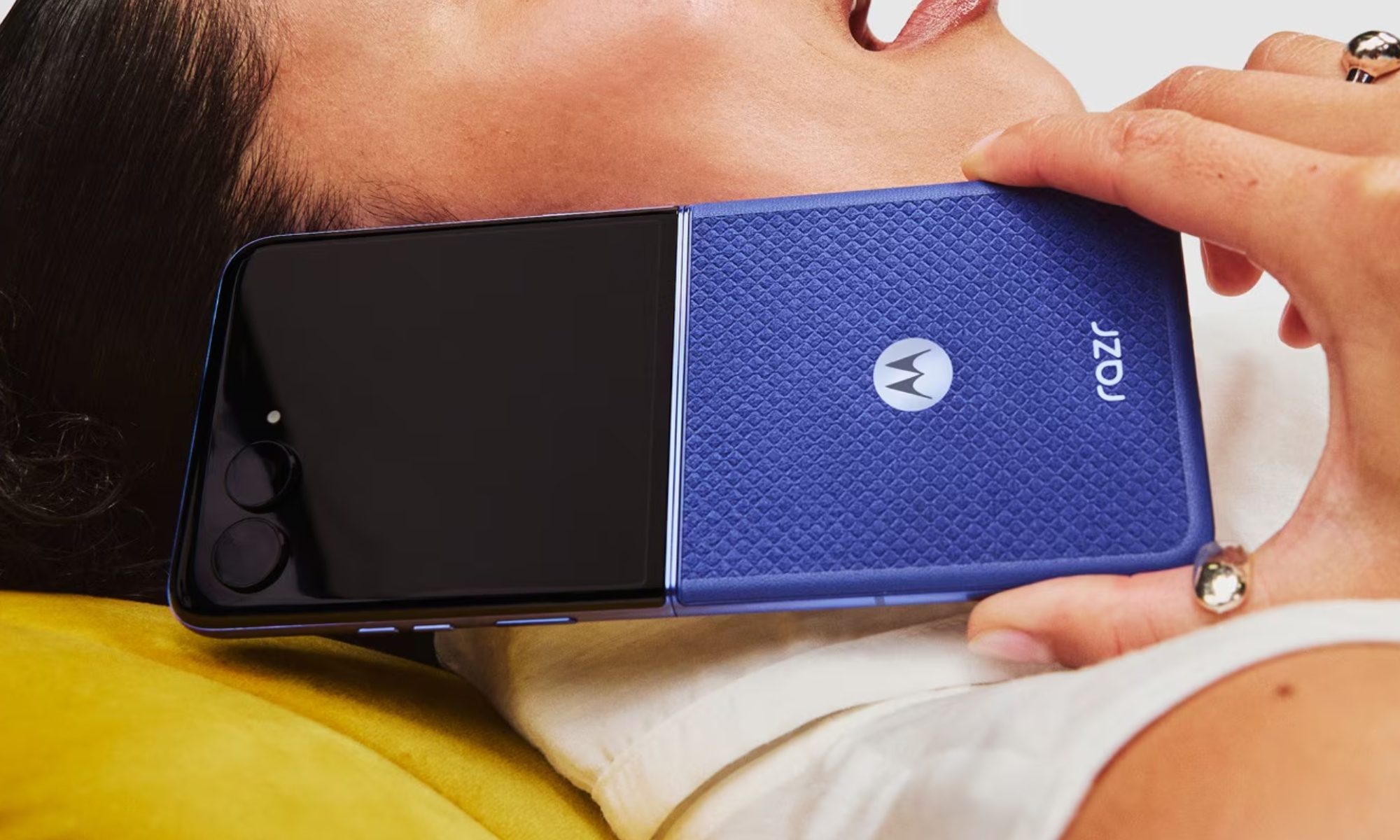
The Ultra also comes in a Cocoa wood veneer variant, which carries a grain texture beneath a protective coating that saves it from daily wear and tear. The Gorilla Glass Ceramic 3 on the cover screen rounds out the design that’s built to take daily life.
The Razr+, meanwhile, comes in one Pantone Mountain View variant, with a woven jacquard finish. I think it’s unique as well, just not as exquisite as the Ultra. If you prefer going caseless, the Ultra has no equal.
Ask yourself: where do you use your phone the most?
In a dim room, the 7-inch (Ultra) and the 6.9-inch (Razr+) LTPO AMOLED foldable screens look identical, both while scrolling through the UI or watching content on YouTube or Netflix. However, the real gap shows outside, under direct sunlight.
If you live and work in a region where the peak summer sun often makes you squint at smartphone screens, both phones solve that problem, but the Ultra does it with even less squinting involved. The Ultra’s inner screen peaks at 5,000 nits, which is considerably more than the 3,000 nits ceiling of the Razr+.
There’s a rather modest brightness difference between the cover screens: 3,000 nits on the Ultra versus 2,400 nits on the Razr+. Further, the Ultra swaps the LTPS panel for LTPO, which enables smarter, more efficient refresh rate adjustments.
So, checking turns on a navigation map, reviewing a photo you just shot, or simply checking a message without cupping your hand over the phone screen, is relatively easier on the Ultra, particularly outdoors. However, if you predominantly live indoors or in office environments with artificial yet soothing lighting conditions, the Razr+ is no slouch.
Both phones get the same chip as last year, but the gap still matters
I’ll be upfront with you. Neither of Motorola’s flagship flip phones received a chipset upgrade this year due to rising component costs and thinning profit margins. And despite that, both the phones debuted with a price hike, indicating just how ugly the situation is.
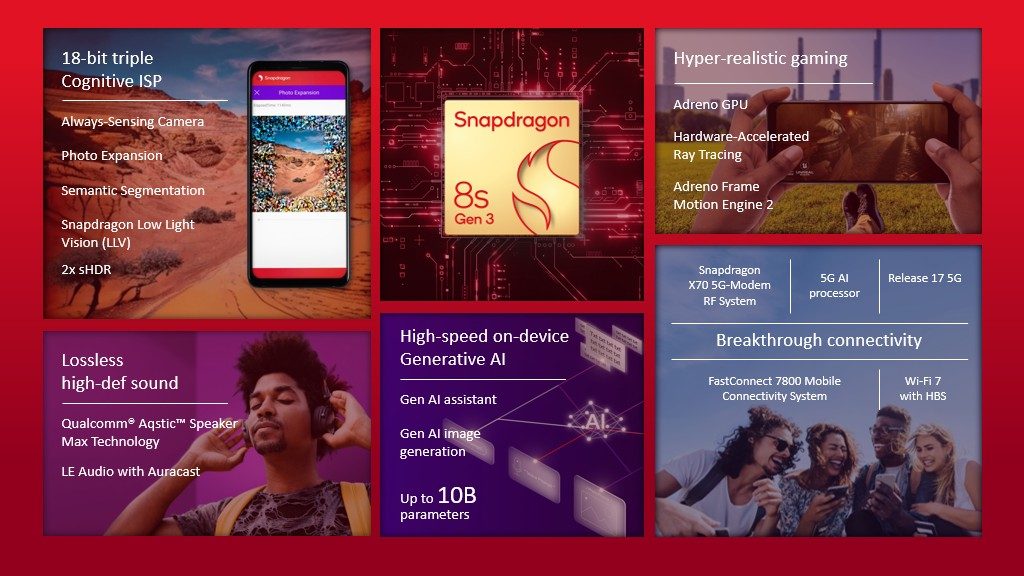
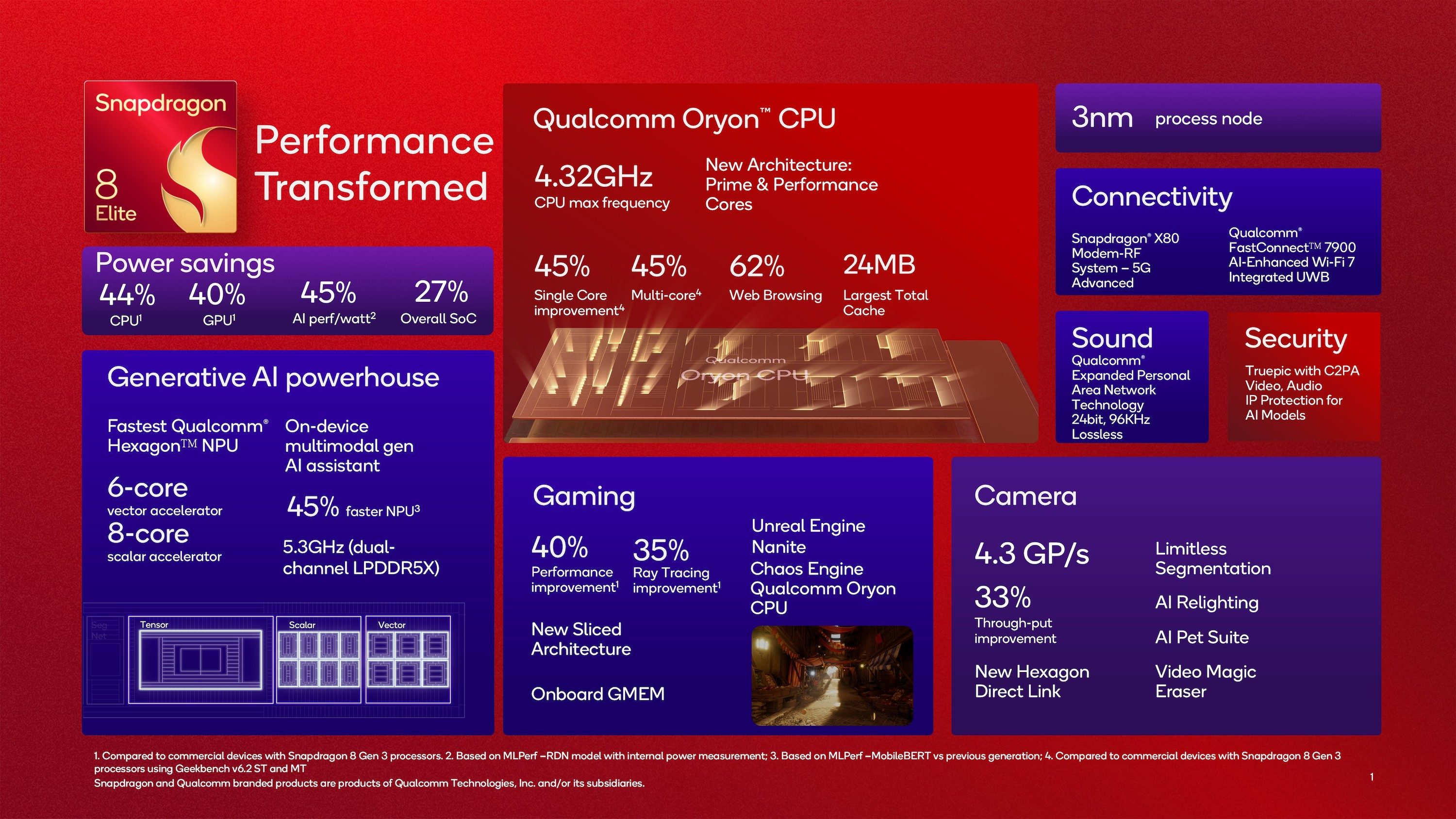
The Razr+ ships with the Snapdragon 8s Gen 3 (4nm), while the Razr Ultra retains the Snapdragon 8 Elite (3nm), and even in 2026, the performance gap between them is quite real. The Elite carries a 30-40% performance delta (in CPU and GPU tasks), and it’s also more efficient, thanks to 3nm fabrication technology.
Even so, I’d say that the Razr+ packs sufficient punch for day-to-day tasks like scrolling, messaging, multitasking, streaming, and casual gaming. What’s different on the Ultra is that everything feels more snappy, thanks to Elite’s Oryon afterburners.
The 8 Elite also brings 16GB of RAM and 512GB of storage, versus the Plus’s 12GB and 256GB, which might not matter today, but if I were to hold onto a device for, let’s say three to four years (given that you’re getting three years of OS support), I’d definitely want some memory and storage headroom to begin with.
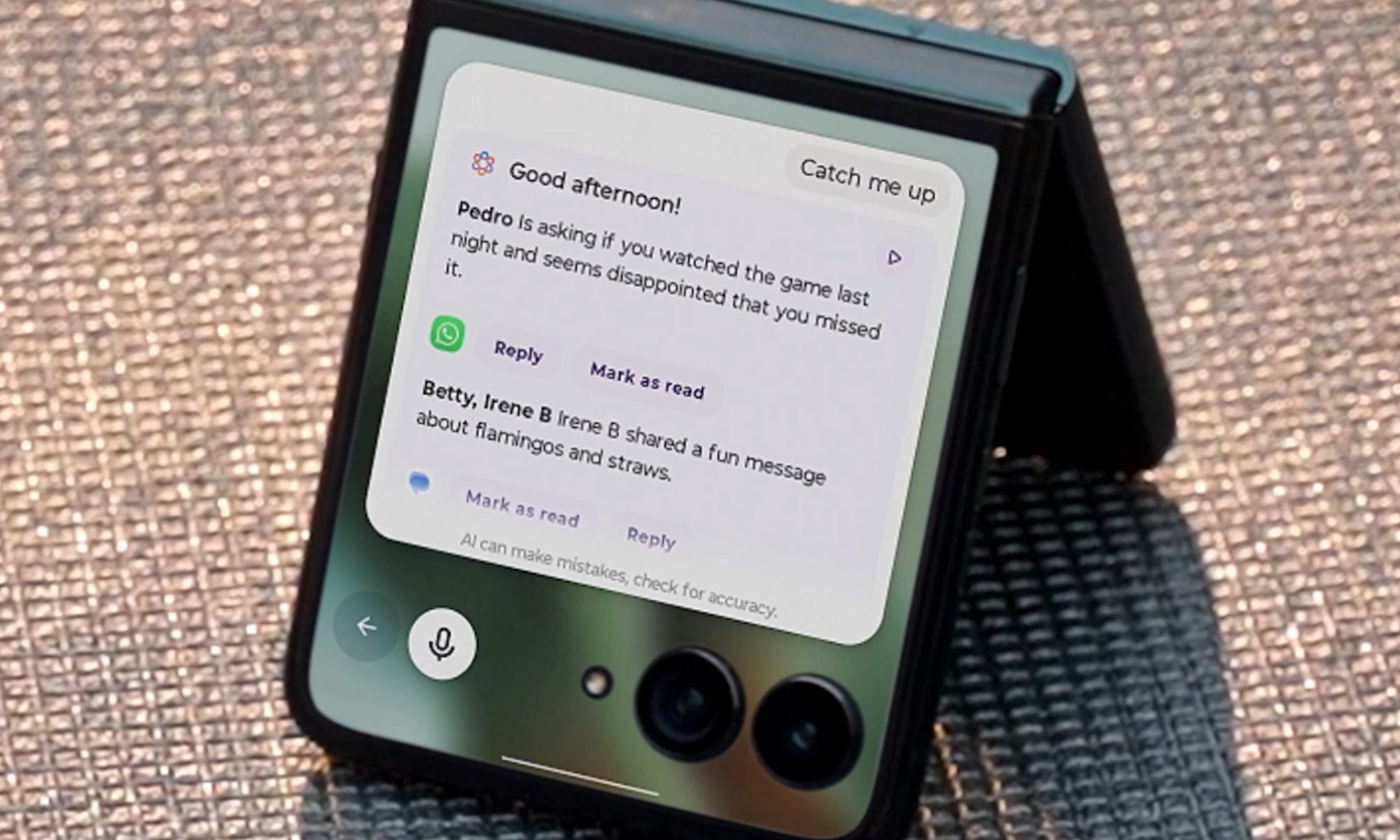
On the software front, I don’t have much to talk about, except the new Daily Drops feature, which obviously is Motorola’s take on Samsung’s Now Brief. Essentially, it’s a personalized daily feed with curated headlines, weather updates, and Google Photos Memories.
There’s the Google Photos Wardrobe feature that lets you try on outfits virtually from your own photo gallery. Pick your own poison from the multiple AI assistants and make use of the Moto AI suite with notable features like Catch Me Up and Next Move. The only difference is that the 8 Elite’s NPU handles on-device AI tasks faster.
If you’re a photography enthusiast, Ultra is the one for you
I’ll admit Motorola had me with the deceptively similar specs: a 50MP (f/1.8) primary and a 50MP (f/2.0) ultrawide with Macro Vision on both phones. Upon digging deeper, though, the Ultra pulls ahead.
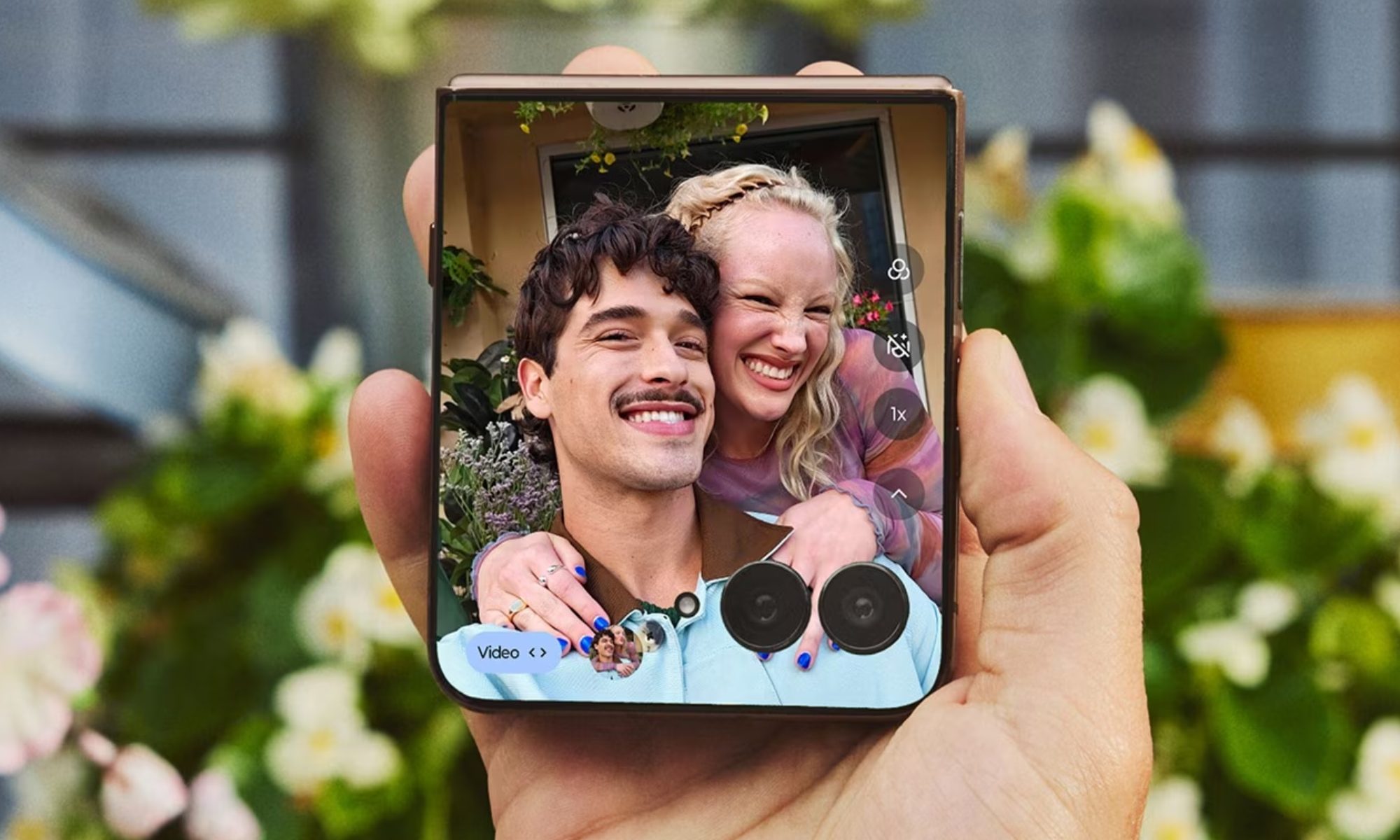
Its primary sensor is physically larger at 1/1.56 inches versus the Razr+’s 1/1.95 inches, and that extra real estate makes the sensor faster in daylight and cleaner in poorly-lit conditions. On top of that, the Ultra uses a Sony LOFIC (Lateral Overflow Integration Capacitor) sensor, which, in theory, captures up to six times more dynamic range.
The Ultra handles harsh afternoon sun, backlit subjects, and high-contrast scenes better. Further, it supports Dolby Vision capture for video and shoots up to 8K in 30 fps (most users won’t need it, but I had to mention it).
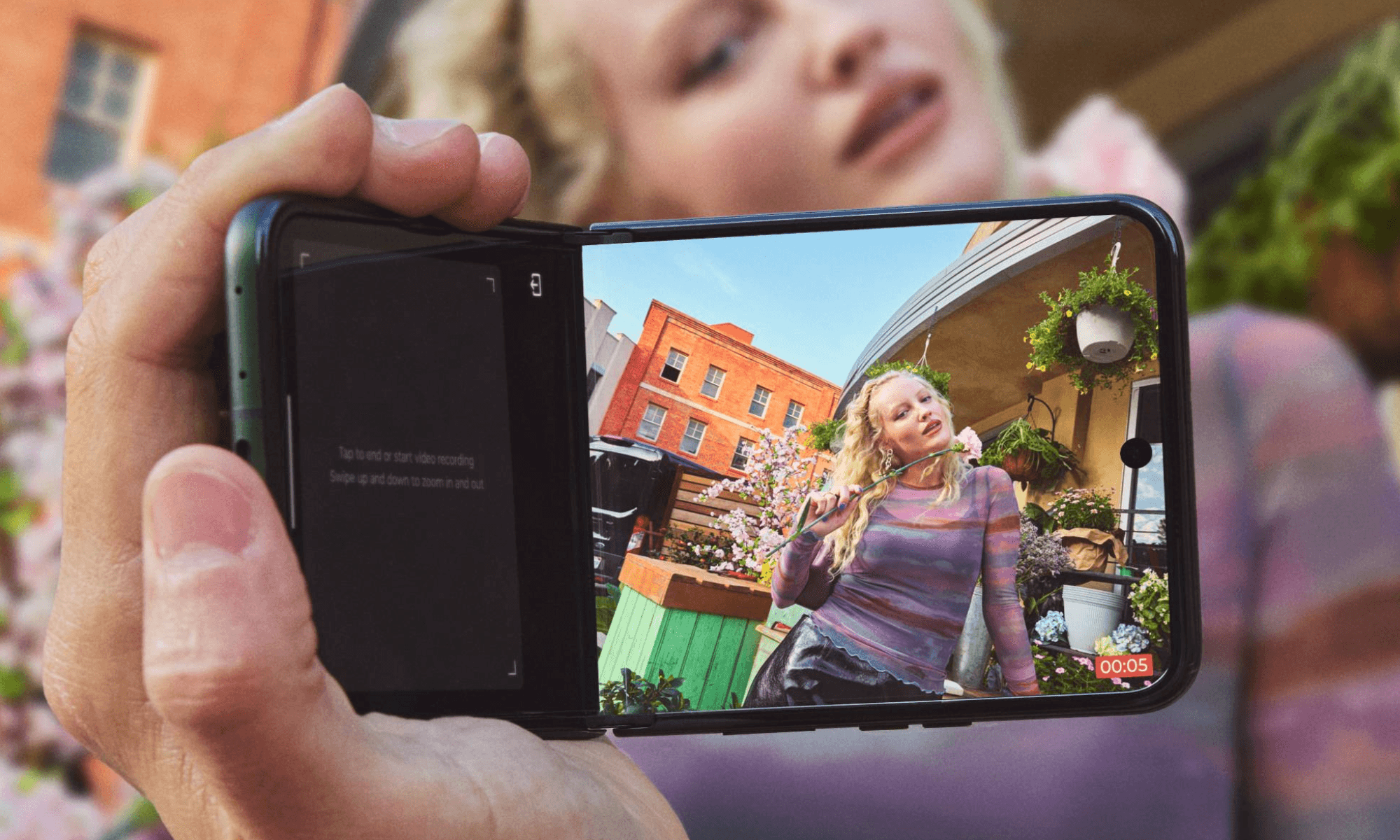
On the selfie front, the Ultra ships with a 50MP (f/2.0) sensor with a wider aperture and bigger pixels than the 32MP (f/2.4) shooter on the Razr+, translating to better low-light selfies. Both phones share Camcorder Rotate to Zoom, Frame Match, and Group Shot.
Like the screen, the chipset, and the differences in cameras all add up to the $400 difference, but they’ll matter most to content creators and vloggers. For most users, the Razr+ does hold its ground quite well.
The Ultra pulls ahead in usage and charging times as well
Unlike the Flip 7, which still sticks with a lithium-ion battery, both the Razr+ and the Razr Ultra come with the newer silicon-carbon battery tech, which allows manufacturers to pack in more battery capacity into slimmer bodies.
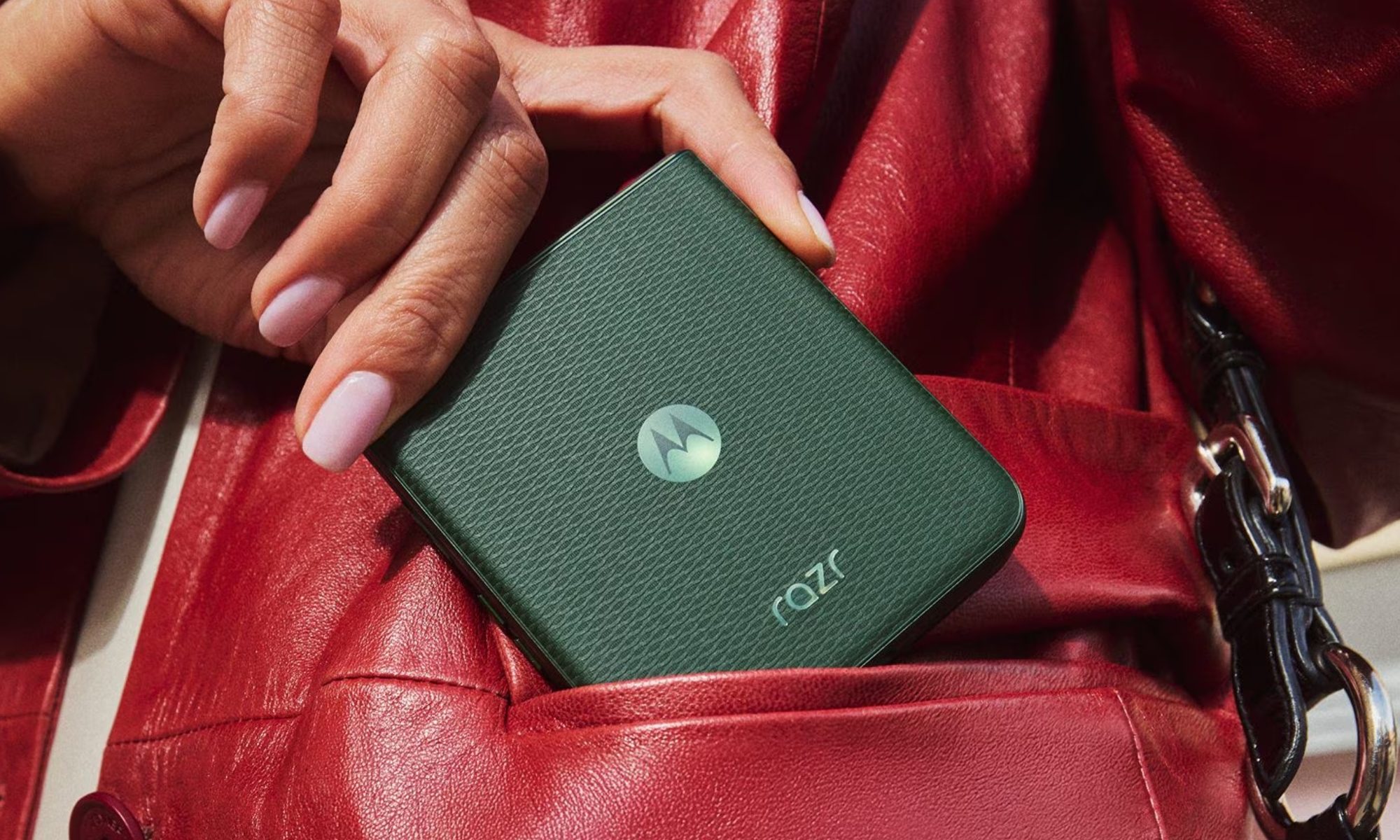
The Razr+, with its 4,500 mAh battery, claims to offer over 31 hours of battery life, while the 5,000 mAh cell on the Ultra takes the number to 36+ hours. Now, these are lab numbers, and your mileage will vary. I’d say that under mixed usage, the Razr Ultra should provide an hour or two of screen-on time over the Razr+.
The Ultra charges faster as well, both when wired (68W vs. 45W) or wirelessly (30W vs.15W), which means that midday top-ups or unplanned charging sessions in the morning will be quicker. The Razr+ will last the day just fine, but heavy users might want to stick with the Ultra.
Bottom line: Should you spend the extra $400?
The $400 gap between the Razr+ (2026) and the Razr Ultra (2026) is real, as is quite evident from the section-wise discussions we’ve just gone through. However, whether those differences matter depends entirely on how you use your smartphone.
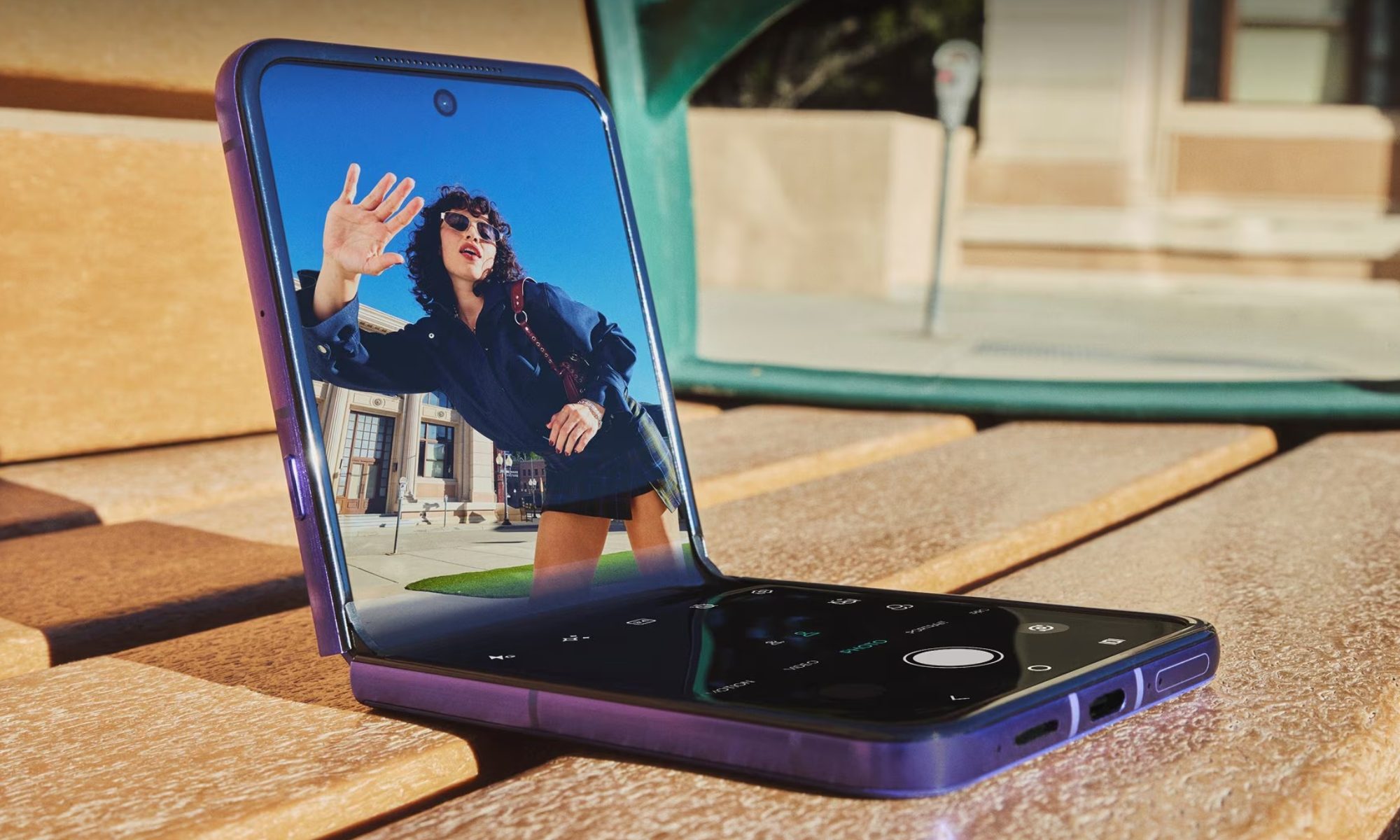
If you spend a lot of time outdoors, shooting video content, showing off your phone to other people, and tend to hold onto a device for three to four years, the Ultra earns its premium over the Razr+. Together, the brighter display, faster chip, superior primary and selfie camera, faster charging, and premium build add up to a meaningfully better phone in ways that show.

However, if you’re a casual user who isn’t particular about all those things, but just doesn’t want to go with the Razr 2026, the Razr+ (2026) strikes the sweet spot between functionality and affordability. It’s a capable, well-rounded phone that covers all the bases without breaking your bank and letting you save enough for the weekend trip.
Frequently Asked Questions (FAQs)
- Does the Motorola Razr+ 2026 have wireless charging? Yes: 15W wireless and 5W reverse wireless charging, same as last year.
- Are the Razr+ 2026 and Razr Ultra 2026 waterproof? Both are IP48-rated: splash and submersion resistant, but not fully dustproof.
- Does the Razr+ 2026 use the same chip as last year? Yes: Snapdragon 8s Gen 3, unchanged for the third consecutive year.
- Which phone is better for photography: the Razr+ or the Razr Ultra? The Ultra: bigger sensor, LOFIC technology, and a significantly better front camera.