
If there’s something that stands between foldables and the mainstream smartphone market, it’s their battery life, and Motorola has taken it upon itself to fix that. Almost all smartphone giants have their own book-style foldable available in the U.S., and all of them justify the premium with intricate hinges, flexible displays, and other engineering marvels, but somehow, that doesn’t extend to their batteries.
You can unfold a foldable to double its screen size; that’s its entire pitch. But does the battery life also double? Unfortunately, it doesn’t. Among the two widely available book-style foldables in the U.S. — Samsung’s Galaxy Z Fold 7 and Google’s Pixel 10 Pro Fold — the average battery life remains less than that of regular handsets.

But haven’t smartphones already unlocked over 10 hours of screen-on time using silicon-carbon battery technology? This is exactly the gap Motorola is walking into with its first book-style foldable: the Razr Fold. For the first time, a foldable is entering the U.S. market with a 6,000 mAh battery that supports 80W wired charging, no less.
Should it deliver, the Razr Fold could bridge that gap before Samsung or Google even comes close.
The battery problem foldables have always had
Think about what the battery on the Fold 7 or a Pixel 10 Pro Fold is actually running: two displays (the cover screen and the foldable screen), a flagship-tier chipset borrowed straight from the slab phones, and at least two to three rear-facing cameras, along with constant Wi-Fi or cellular connection.
It is because of this compounded power draw that foldables require larger batteries to provide similar endurance to regular phones. A couple of years ago, when the technology wasn’t as mature as today, using a 4,000 or 4,400 mAh battery on a foldable was par for the course.
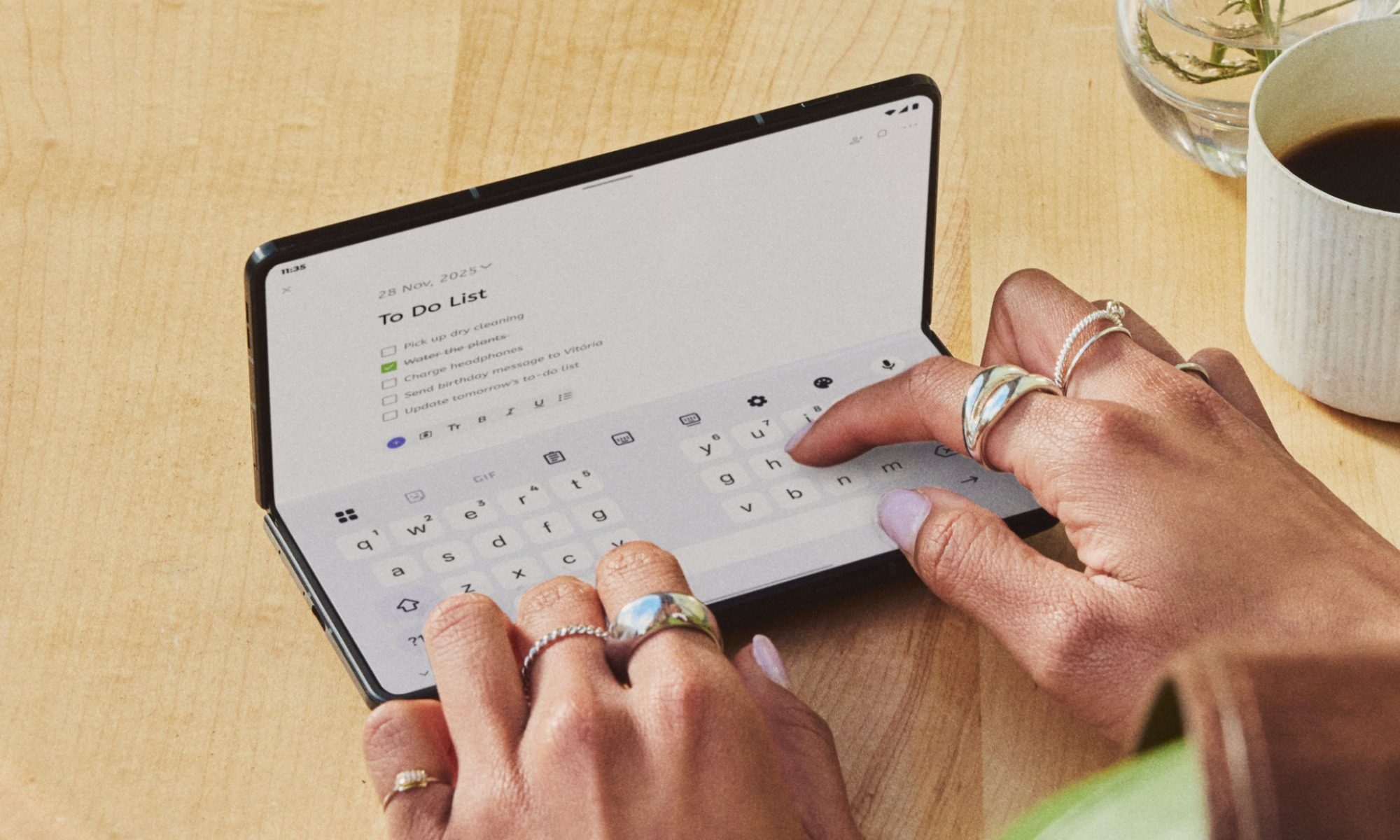
To me, it feels like OEMs, especially in the U.S., are deliberately holding back on battery capacity in foldables, while Chinese brands like Honor and Oppo continue to push the limits.
This is the core problem that the Motorola Razr Fold could solve.
| Phone | Battery | Wired Charging | Wireless Charging | Status |
|---|---|---|---|---|
| Samsung Galaxy Z Fold 7 | 4,400 mAh | 25W | 15W (Qi2 Ready*) | Available |
| Google Pixel 10 Pro Fold | 5,015 mAh | 39W | 15W (Qi2) | Available |
| Samsung Galaxy Z TriFold | 5,600 mAh | 45W | 15W (Qi) | Discontinued |
| Motorola Razr Fold | 6,000 mAh | 80W | 50W | Launching May 21 |
Who does the Razr Fold compete with?
I’ve used the Fold 7 briefly, and by many measures, it’s an impressive piece of technology. The thinnest book-style foldable in the U.S. is just 4.2 mm when unfolded. However, with a 4,400 mAh battery that offers around six hours of screen-on time on average, that didn’t make the phone last an entire day, at least for me.
The phone also takes around 90 minutes for a complete charge, thanks to support for only 25W wired charging. You can’t just plug it 20 minutes before leaving your home; you’d have to plan around it.
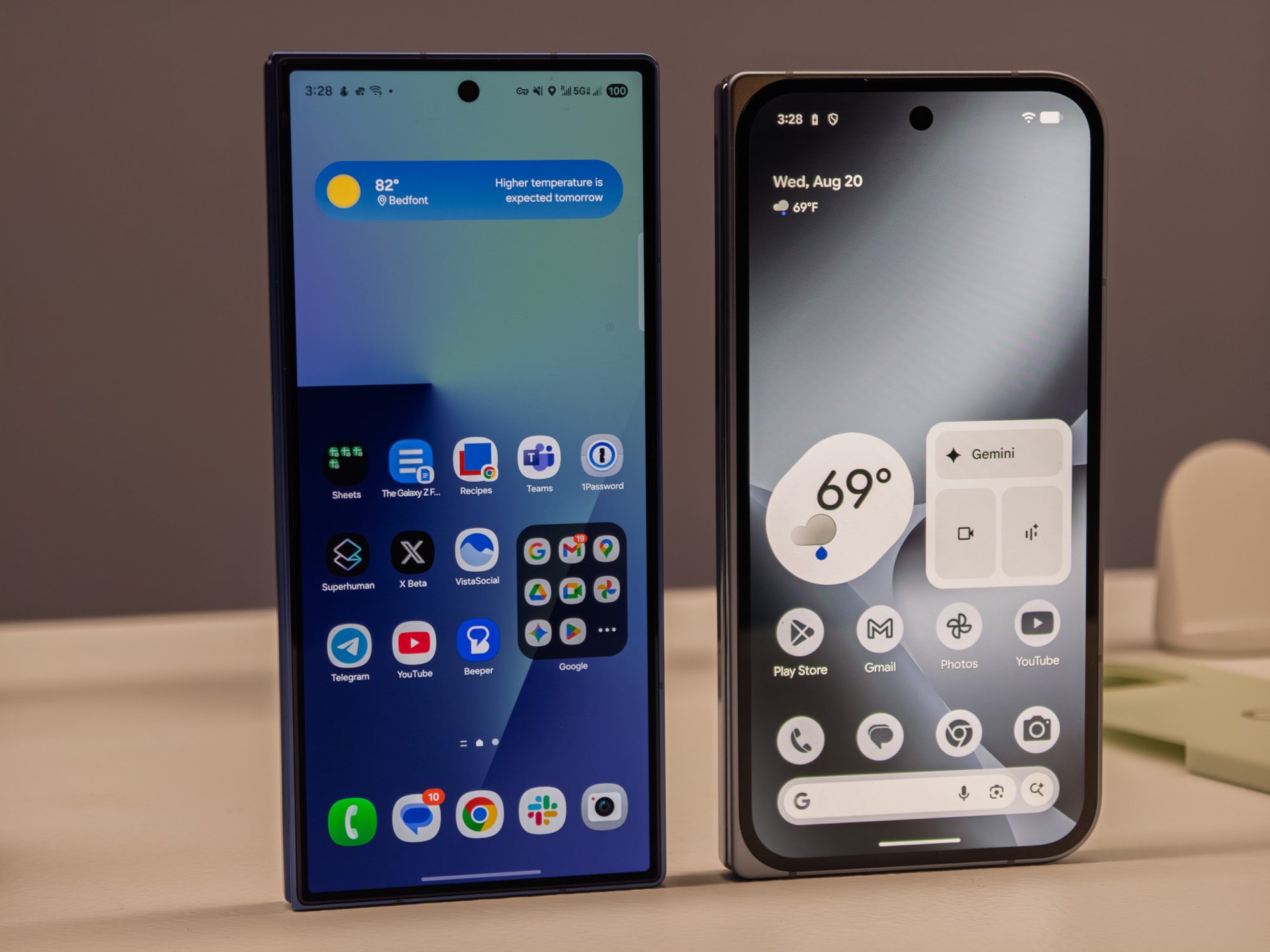
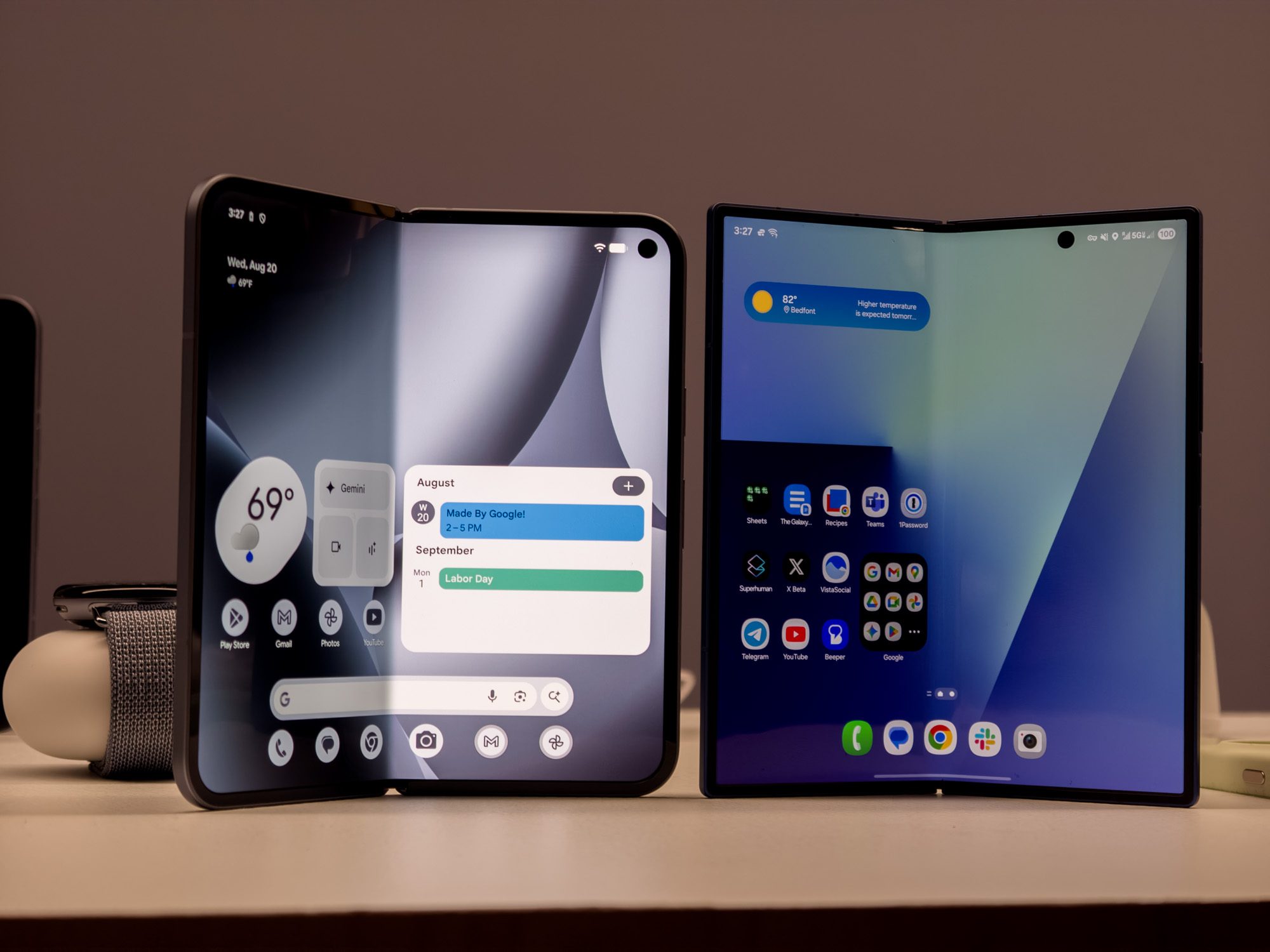
Google’s Pixel 10 Pro Fold took a meaningful leap with a 5,015 mAh cell and up to 39W charging, offering between seven and eight hours of screen-on time, genuinely lasting an entire day of usage.
But that’s enough, right? Not quite. Now that we’re in the era of over-7,000-mAh battery phones (I’m talking about the OnePlus 15 and the OnePlus 15R) that deliver nearly two days of battery life between charges, plugging in a foldable at around 8 or 9 PM feels like getting shortchanged on a $2,000 purchase
If foldable phones stand a chance against mainstream handsets, manufacturers have to step up to the plate on battery life, and that’s exactly why the Razr Fold has my attention.
What should you expect from the Razr Fold?
The Razr Fold’s 6,000 mAh battery is roughly 36% larger than the Galaxy Z Fold 7’s and about 20% larger than the Pixel 10 Pro Fold’s. The company has achieved this using the same tech on modern Chinese flagships: silicon-carbon battery chemistry, which packs more energy into less physical space without adding bulk. The result is a book-style foldable that unfolds to just 4.7 mm, slightly thicker than the Fold 7, but not by a margin that should trouble anyone.
Now, this is the part where I’m using years of experience to speculate something without trying to sound too optimistic. The Razr Fold, with its 6,000 mAh battery and the Snapdragon 8 Gen 5 chip that’s actually less powerful than the Snapdragon 8 Elite on the Fold 7, should provide a screen-on time of around eight to nine hours under mixed usage.
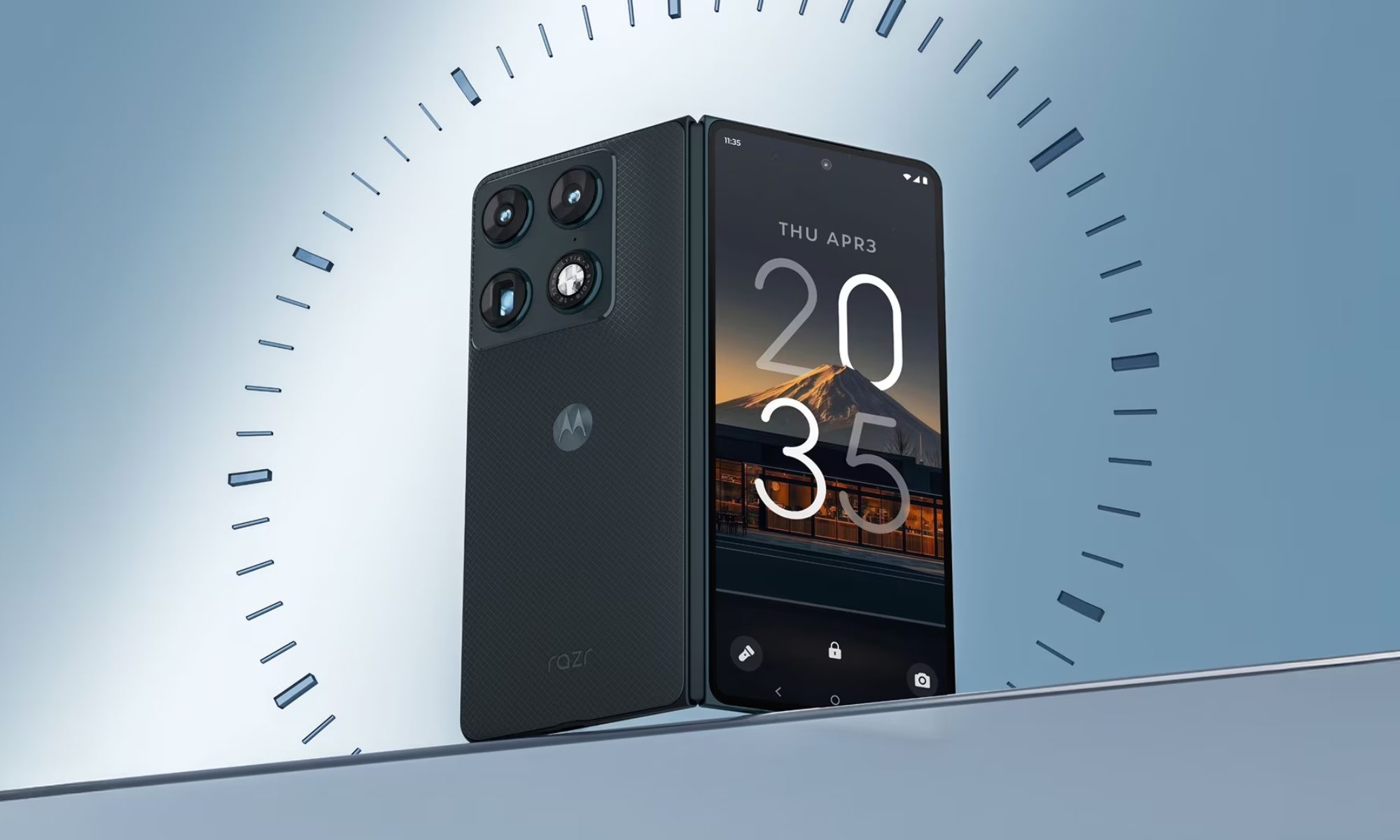
If Motorola has optimized the software well for a big-screen foldable, and that’s a big if, given that this is the company’s first foldable, the screen-on time might nudge past nine hours as well.
This way, the foldable could actually match the battery life of modern flagships. If that doesn’t happen, however, I’d be disappointed, and seven to eight hours is where the phone would sit, with the Pixel 10 Pro Fold, despite featuring a significantly bigger battery.
Please don’t drop the ball, Motorola
The charging speed is equally important here. Razr Fold’s 80W wired charging speed is more than three times what Samsung offers on the Fold 7 and double what Google offers on the Pixel 10 Pro Fold. The caveat, here, is that none of this has been proven yet, and we’ll have to wait a couple of weeks to find out the truth.

It’s worth knowing that the company also promises over 12 hours of use from under 10 minutes of being plugged in. For added convenience, and to leave the competition baffled, the Razr Fold also supports 50W wireless charging. While achieving those speeds requires Motorola’s proprietary hardware, I’d definitely pay for that kind of speedy convenience.
Moreover, the Razr Fold’s 6,000 mAh battery, paired with 80W wired and 50W wireless charging, is the spec combination that the U.S. buyers deserve. If it delivers, it will bridge the gap between the battery life we get from regular smartphones and foldables, making the Razr a compelling buy and forcing Samsung and Google to go back to the drawing board.