
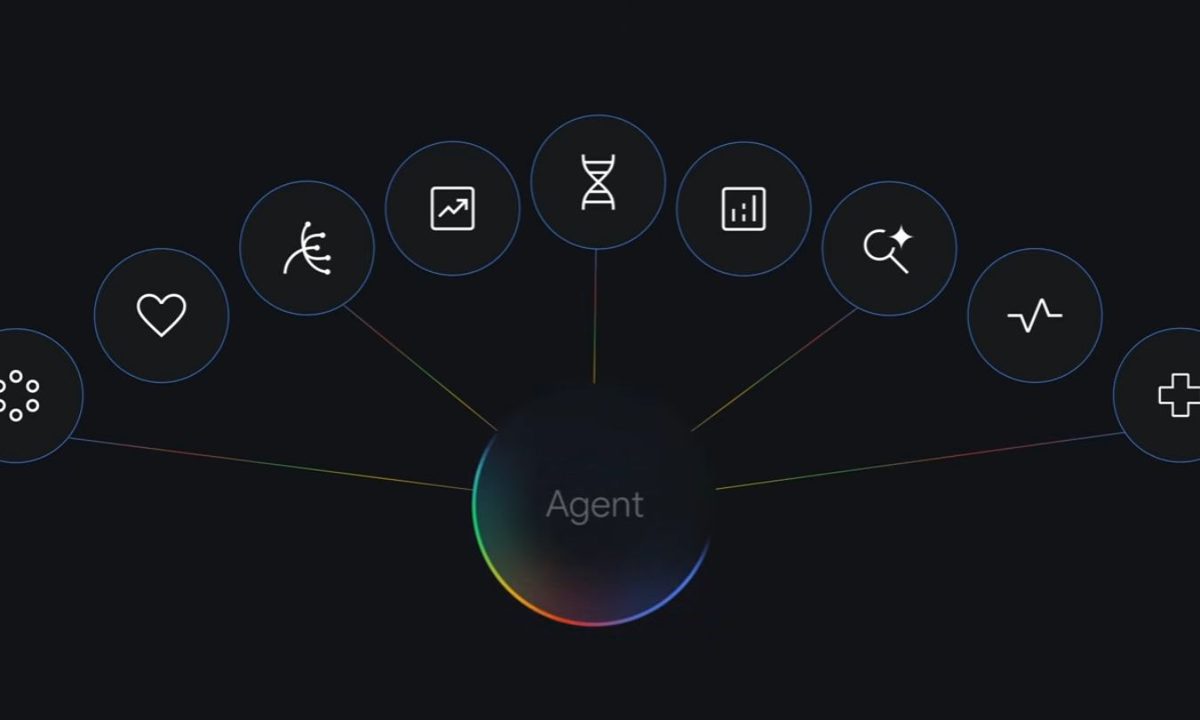

Google is building Gemini deeper into the research workflow, starting with ideas, tests, and scientific literature.
At Google I/O 2026, the company announced Gemini for Science, an experimental suite built around agentic AI science. It targets the manual work behind discovery, including hypothesis building, computational testing, and literature review.
Access starts gradually through Google Labs, with a separate path for enterprise organizations through Google Cloud. The rollout gives the announcement a path beyond Google’s conference stage, although the tools are still early.
How far can Gemini push discovery
The suite is built around three features that follow the research process more closely than a standard chatbot. Hypothesis Generation searches across large volumes of papers to help scientists form new ideas, with Google saying its outputs are supported by clickable citations.

Computational Discovery takes the next step by acting like an agentic search engine for testing. Instead of asking teams to manually design every possible experiment, Google says the feature can generate thousands of tests much faster than traditional hands-on workflows.
The third piece, Literature Insights, focuses on the reading burden. It lets researchers query published work and turn findings into reports, infographics, audio summaries, or video overviews. For labs drowning in papers, speed starts with reducing the time spent finding what’s relevant.
What makes this more than search
Google is also adding Science Skills, a feature designed to pull insights from more than 30 major life science databases and research tools. That could make the experimental collection more useful for complex workflows that usually require scientists to jump between specialized systems.
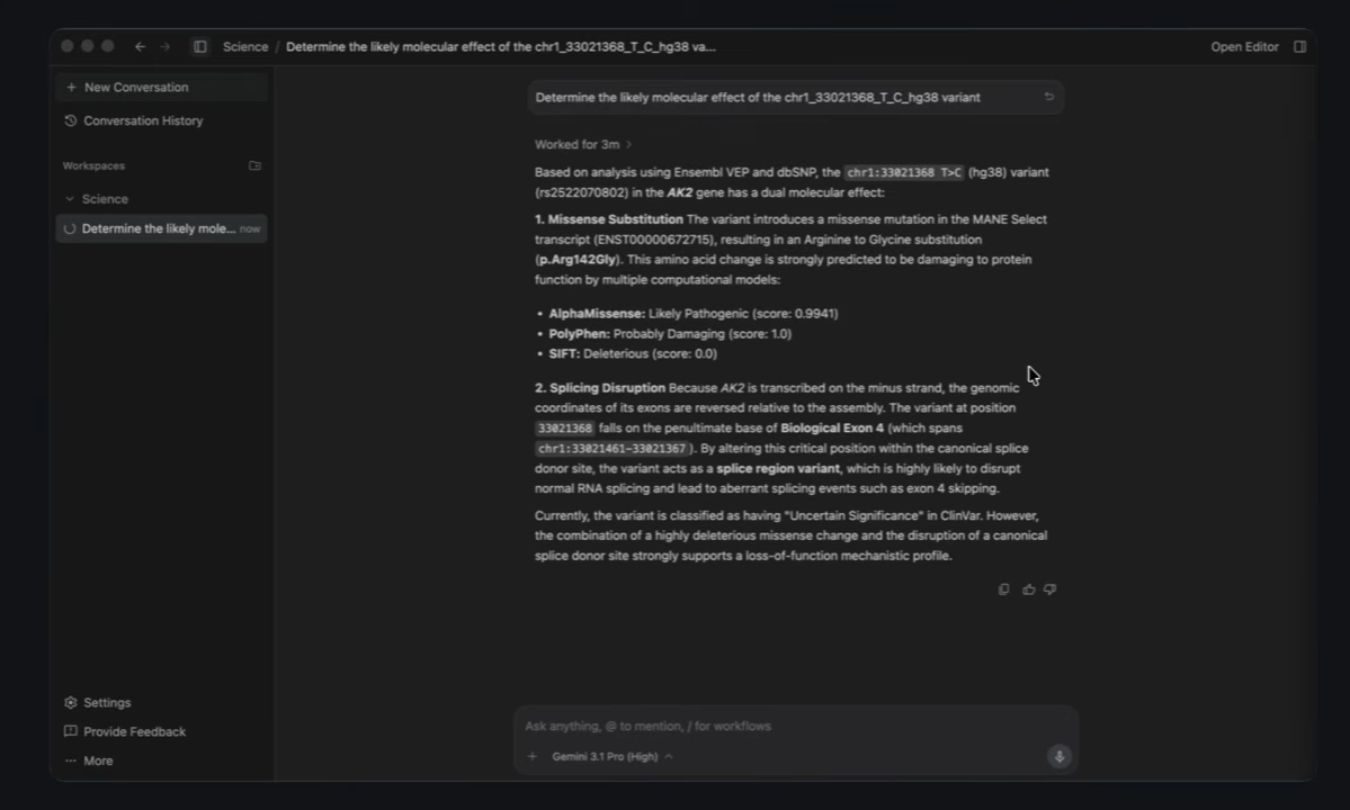
The launch also shows Google connecting this release to a wider AI research stack. The company places it alongside projects such as Co-Scientist, AlphaEvolve, ERA, and NotebookLM, all aimed at different parts of discovery, reasoning, and research analysis.
That’s where the risk sits. If agentic AI science can speed up routine work without weakening rigor, it could give labs more room to focus on judgment, design, and interpretation.
Who gets to try it first
For now, Gemini for Science is not a universal release. Google says it is gradually opening access through a Google Labs form, while enterprise organizations will be able to use the toolkit through Google Cloud.
That limited rollout fits the risk profile. AI systems that suggest hypotheses, design tests, and summarize papers need more than speed. They need clear sourcing, reproducible outputs, and enough transparency for researchers to trust what they’re seeing.
The next test is whether Google can make agentic AI useful inside real scientific workflows after the conference spotlight fades.


