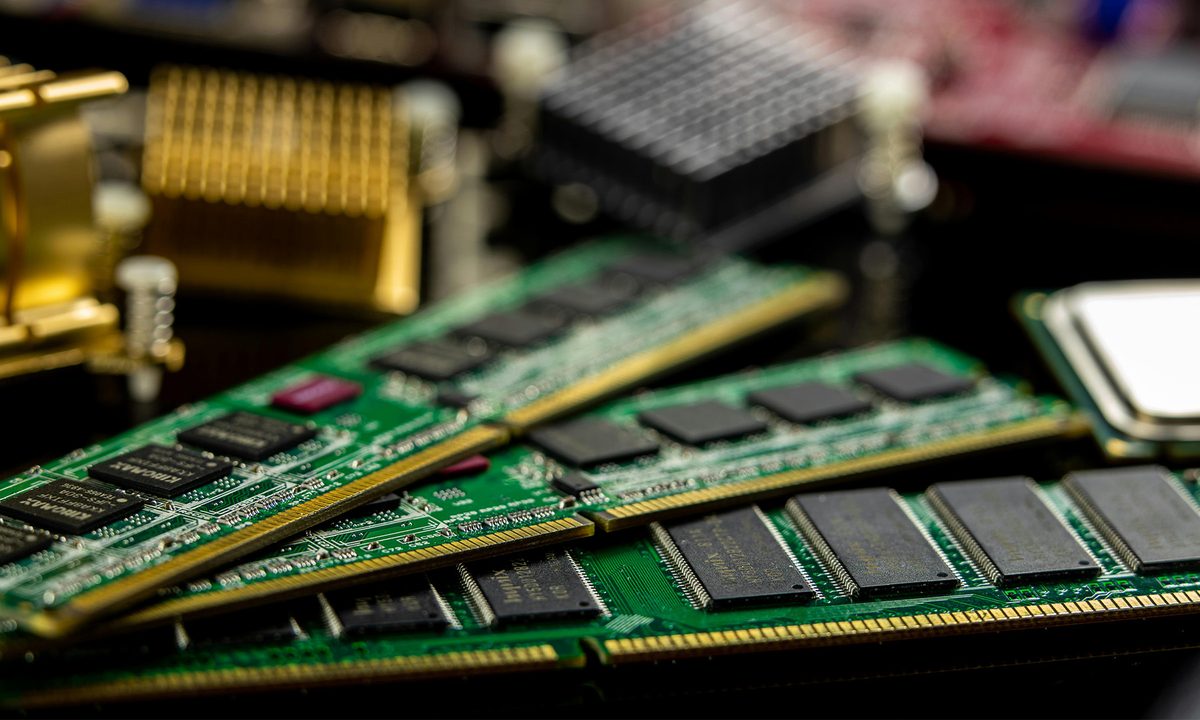
If you’ve been feeling the pain of expensive RAM lately, you are not alone. Memory prices have gone completely off the rails, and it’s all because AI has eaten up the global memory supply chain.
Companies like Samsung, SK Hynix, and Micron have shifted the bulk of their production toward high-bandwidth memory (HBM), which powers the AI chips everyone is scrambling for. That leaves very little room for regular PC memory, and prices have shot up exponentially as a result.

But it seems that memory prices will drop next year, thanks to companies using Chinese memory in their products. As reported by Wccftech, Kye-hyun Kyung, a former head of Samsung’s chip and display division, thinks relief could come in the second half of next year.
Speaking at an engineering forum in Korea, he said Chinese companies are aggressively expanding their memory production capacity, and if those investments pay off, the surge in supply could push prices down.
Will memory prices actually drop?
Chinese manufacturer ChangXin Memory Technologies (CXMT) is already making waves. The company offers DDR5 speeds of up to 8000 MT/s and is scaling up fast. Other Chinese players, such as Jiahe Jinwei, are also ramping up production of data center memory.
And we are already seeing examples of companies switching to the memory chips manufactured in China. Corsair, one of the most recognizable names in PC components, is among the first ones to do so.
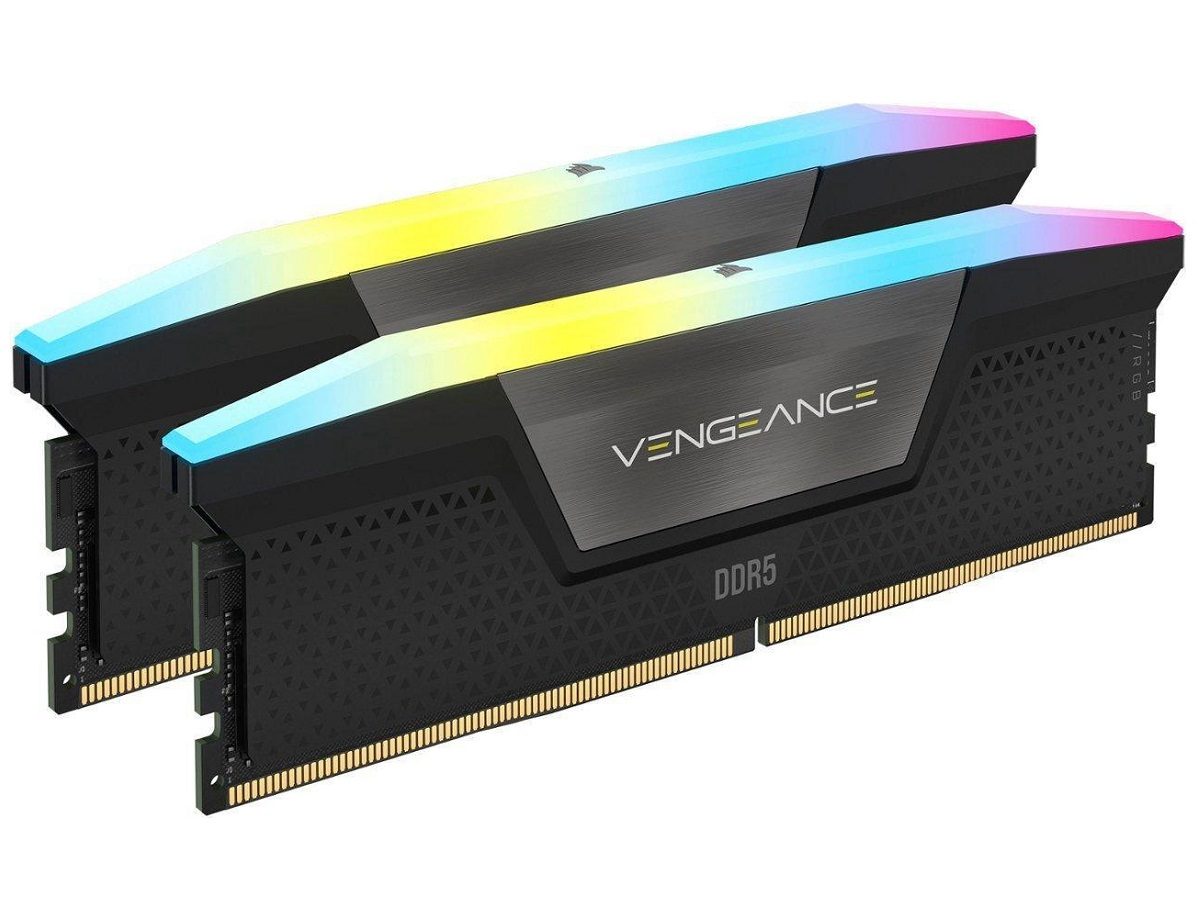
Leaked images show that its Vengeance DDR5 modules are using DRAM made by CXMT. The modules carry standard specs, running at 6000 MT/s with CL36 timings, which puts them on par with equivalent Samsung and SK Hynix-based kits.
If there’s any country that has the manufacturing backbone to ramp up production to meet the new memory requirement, it’s China. If the country can ride this wave and flood the market with its memory chips, the prices might finally drop in the coming year.
What does this mean for you?
If you are planning a PC build and holding off because of the prices, there is a light at the end of the tunnel. Chinese memory is already reaching global brands, and increased supply almost always leads to better prices. Just do not expect it overnight. You will have to wait for the second half of 2027 for the prices to drop.