  1. Home
  2. Cars
  3. News

The ev range anxiety myth just got demolished by a billion miles of real-world data

A billion miles of real-world data show that modern EV batteries are holding up far better than the range-anxiety narrative ever gave them credit for.

Add as a preferred source on Google
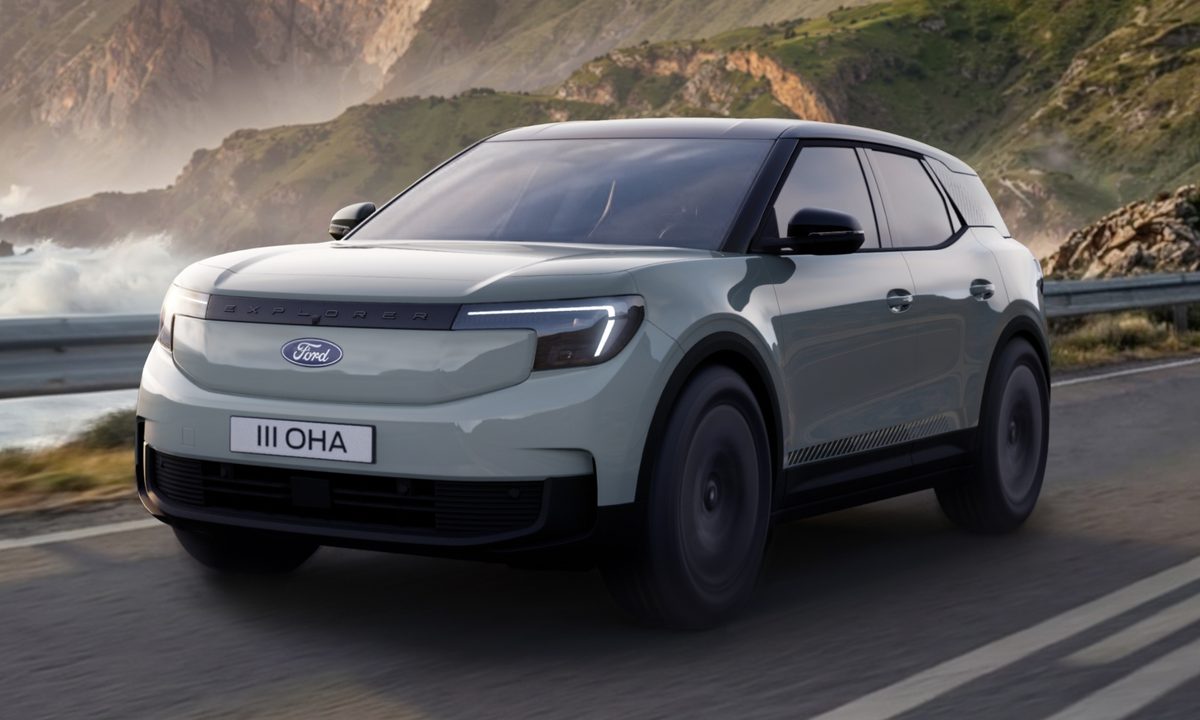
2026 Ford Explorer EV.
Ford

One of the biggest reasons people hesitate to buy an electric vehicle is range anxiety. 

The assumption is quite simple: batteries age with time, resulting in a shorter range, and within a few years of purchase, your shiny new EV becomes a glorified city ride. 
How much range are EVs actually losing over time?

However, new data from Recurrent suggests otherwise. According to the firm’s analysis of over a billion miles of real-world driving data, an average electric vehicle retains 97% of its original range after three years, and 95% after five years. 

Recommended Videos

To put that in perspective, a 2026 model that offers 325 miles today would still deliver around 309 miles five years from now. That, in my opinion, is a loss that most would fail to notice on a day-to-day basis. 

Reinforcing this data, 68% of the 2023 EV models still exceed their original EPA-estimated range today. In other words, real-world performance has actually outperformed the official figures for a majority of those vehicles. 
Which brands are holding up the best?

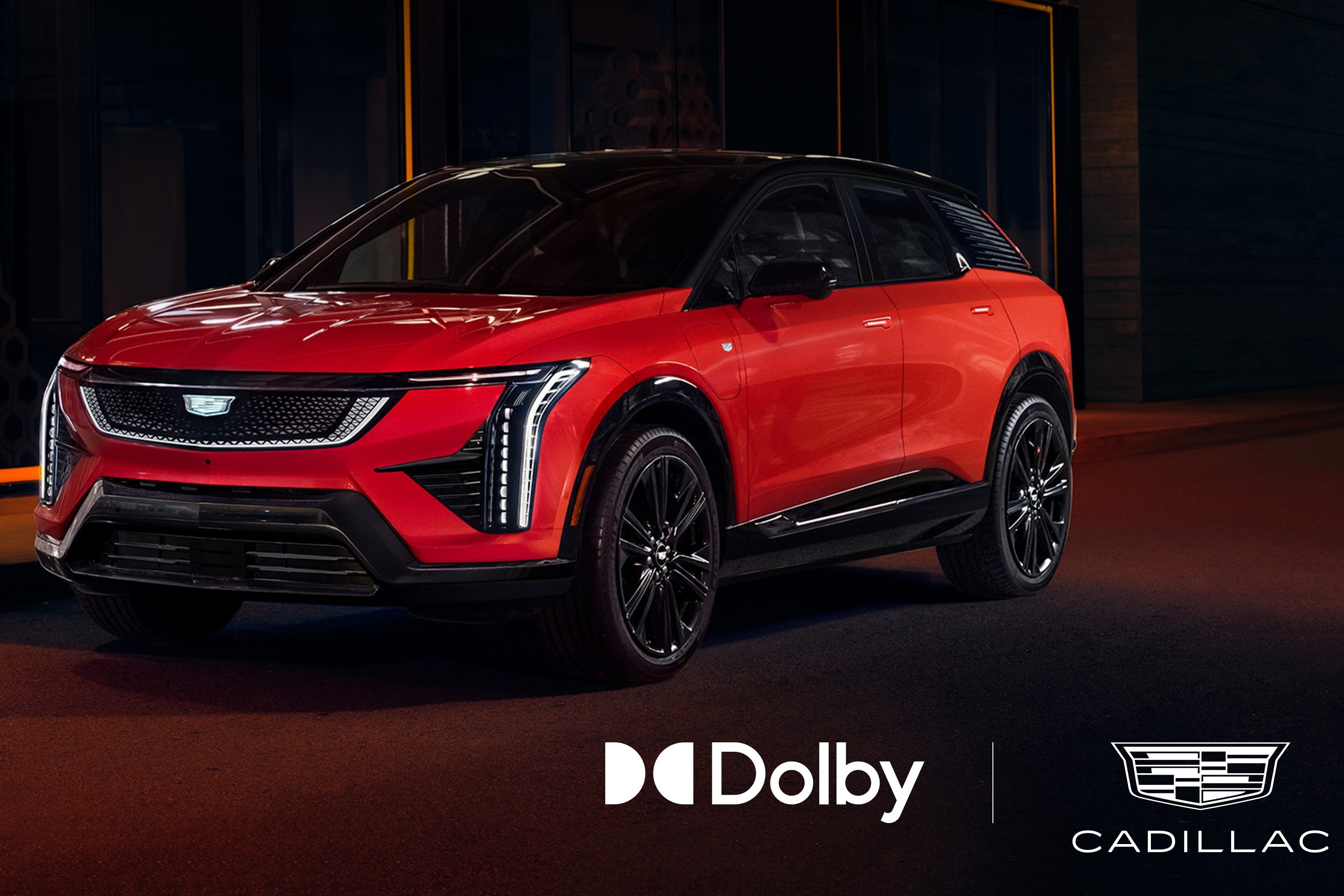
In a crowded market, some manufacturers are doing better than others. Cadillac, Ford, Hyundai, Mercedes, and Rivian show no noticeable range loss over the first five years of driving and charging. 

Per the report, automakers are engineering this outcome by reserving hidden battery capacity (or a couple of miles of hidden range) and releasing OTA updates that fine-tune range algorithms as the vehicle ages. 

Now, this doesn’t mean that the batteries in EVs aren’t aging. They technically are, but it’s the smart software and engineering that are increasingly making up for the decline, in tangible ways that the driver actually cares about. 

Recurrent’s billion-mile dataset dismantles one of the most prevalent and stubborn customer fears of the EV industry. It also highlights how automakers aren’t just building bigger batteries, but they’re building smarter ones that hold up better over time. 

Shikhar Mehrotra
For more than five years, Shikhar has consistently simplified developments in the field of consumer tech and presented them…
BMW debuts color-changing iX3 Flow Edition with E Ink exterior at Beijing Auto Show 2026
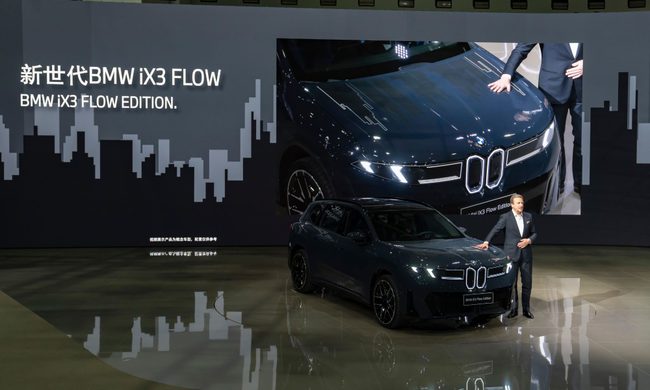
BMW iX3 Flow Edition brings E Ink Prism to production cars
BMW iX3 Flow Edition

At the Beijing Auto Show 2026, BMW unveiled the iX3 Flow Edition, marking the first time E Ink’s Prism technology has been integrated into a series-ready production vehicle. The announcement signals a major leap from experimental concept cars to real-world automotive applications, bringing dynamic, color-changing surfaces to everyday mobility.

From Concept To Production Reality

Read more
Tesla’s Cybercab has entered production. Let’s hope it can actually drive itself this time
Tesla has crossed the manufacturing finish line on the Cybercab, but the autonomous driving race it needs to win is still very much in progress.
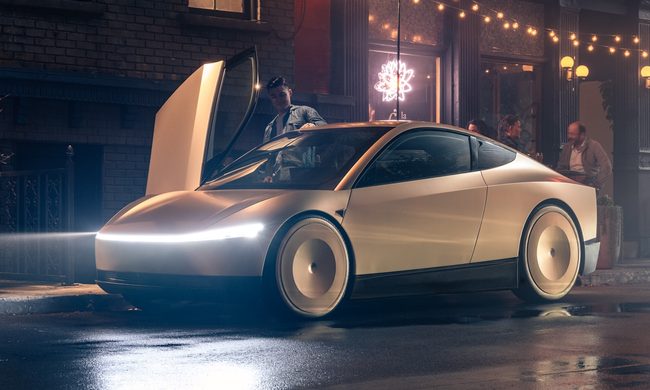
Tesla Cybercab at night

Tesla has a long history of announcing things before they are ready. On April 24, 2026, Elon Musk posted a POV video of a steering-wheel-free Cybercab rolling out of Gigafactory Texas, and the internet seems to have lost its mind. 

Musk has confirmed that the volume manufacturing of the autonomous robotaxi has begun. However, the company still has to figure out the harder part. 

Read more
Porsche reveals an all-electric Cayenne Coupe with a sweet power boost
Porsche Cayenne Coupe electric

The Porsche Cayenne Coupe has established itself as one of the best-selling Porsche cars. The car was first introduced in 2019, and since then, it has seen unprecedented growth in sales. In 2025 alone, it accounted for 40% of all Cayenne sales in the US. Building on the success, Porsche has announced a fully electric model.

The Cayenne Coupe electric gets its signature look from the sloping roofline that Porsche calls the "flyline," a design borrowed from the 911. It sits lower than the standard Cayenne SUV, has a flush rear window, and has a lower drag coefficient of 0.23, making it more efficient. 

Read more