  1. Home
  2. Computing
  3. News

Samsung has an ominous warning for your tech purchase plans leading into 2027

Your 2027 tech upgrade plans just got more expensive

Add as a preferred source on Google
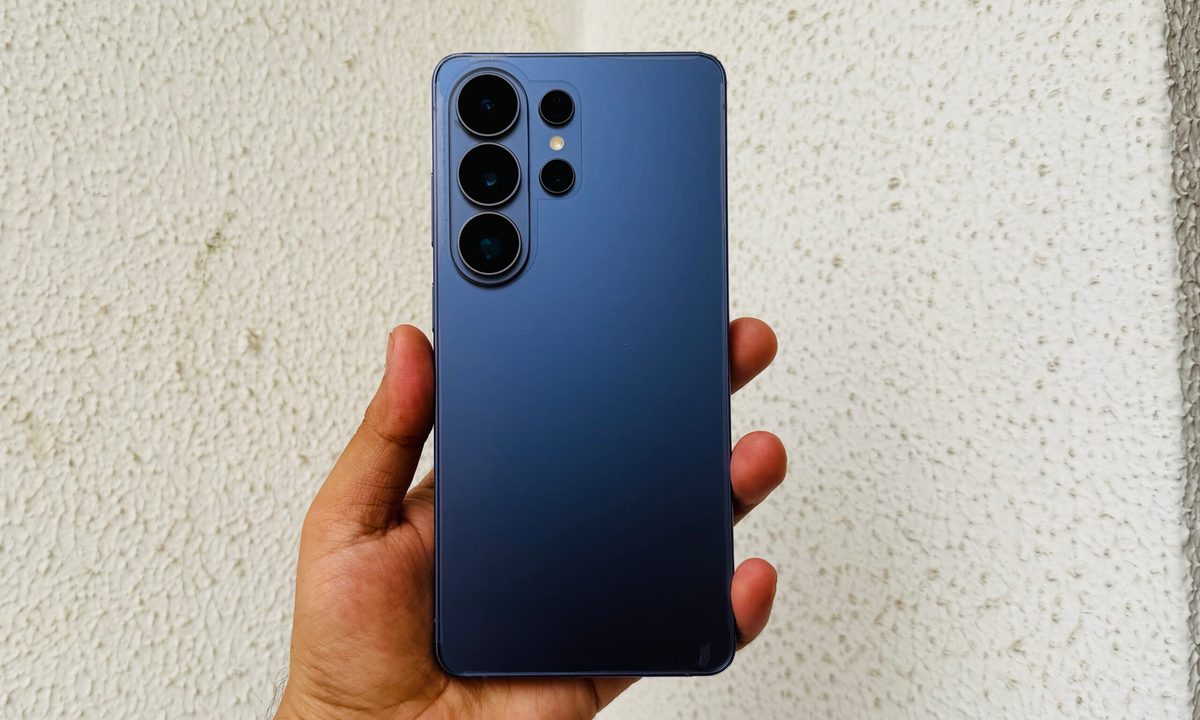
Rear shell of samsung Galaxy S26 Ultra
Nadeem Sarwar / Digital Trends

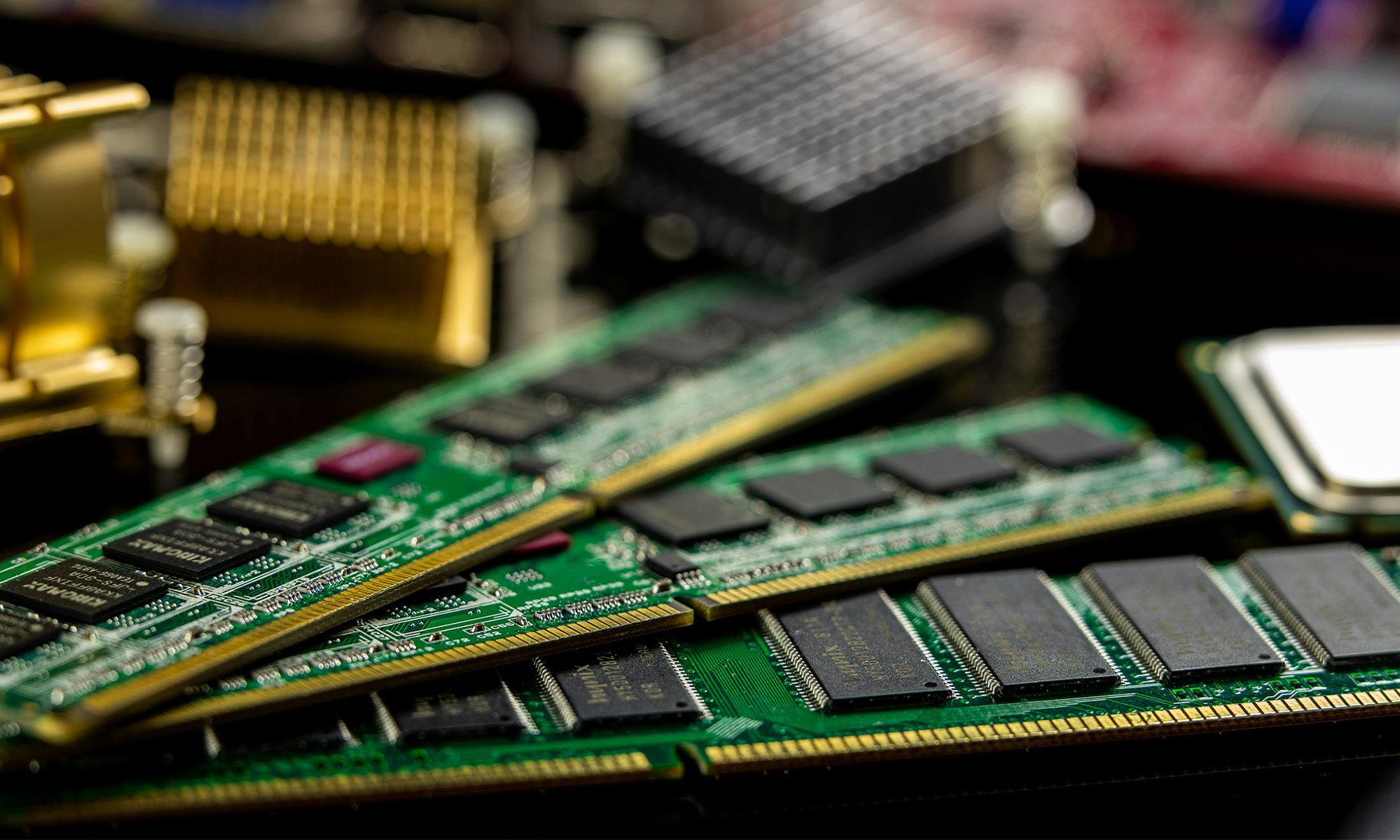
The memory and NAND shortage has already pushed up prices for laptops, phones, consumer RAM, and other upgrade-heavy devices. Samsung’s latest earnings report now suggests the pressure may soon extend to more electronics that rely on advanced chips and built-in storage.

The company says demand is already far ahead of supply, and the gap could get worse in 2027. Buyers planning to purchase a phone, laptop, gaming PC, console, TV, or smart device over the next year may feel the impact.
Why should buyers care about Samsung’s warning?

Samsung reported a record quarter as booming AI demand helped its chip division drive most of the profit surge. Data center companies are buying huge amounts of advanced memory, adding pressure to the wider tech supply chain.

Recommended Videos

The company said that supply is falling far short of customer demand. This can mean higher component costs, fewer discounts, and pricier upgrades for consumers. The risk is not limited to phones and laptops. Many modern electronics rely on some form of memory, which means smart TVs, cameras, routers, wearables, cars, and smart home devices, among others, could also come under pricing pressure.

The South Korean conglomerate is already feeling this from both sides. Higher chip prices helped its semiconductor business, while its mobile and display units took a hit. Mobile and network profit fell 35% in the first quarter, and display profit also declined.

Which gadgets could become more expensive?

The smartphone market is already showing early warning signs. Most brands are raising prices on new devices, while also cutting back on memory and storage options. According to IDC, sub-$100 Android phones may become permanently unviable because manufacturers in this segment work with thin margins. This sharp increase in memory and storage costs risks wiping out profitability in this segment.

The impact is visible elsewhere too. RAM prices are climbing for PC buyers, Micron has warned that the shortage may last longer, and Intel CEO Lip-Bu Tan has suggested relief may not arrive until 2028. Microsoft has also warned that memory pressure could raise the cost of its next Xbox hardware, while TVs may face higher prices due to memory costs and panel shortages.

Samsung’s report reveals that the next round of price hikes may not be driven solely by larger cameras, faster screens, or new AI features, as the cost of memory in everyday devices could play a bigger role.

Sudhanshu Kumar Mangalam
I’ve got about 4 years of experience, mostly covering gaming, PC hardware, and smartphones. In my free time, I like…
In a market where Mac has been aspirational, it’s somehow a better deal than windows machines now
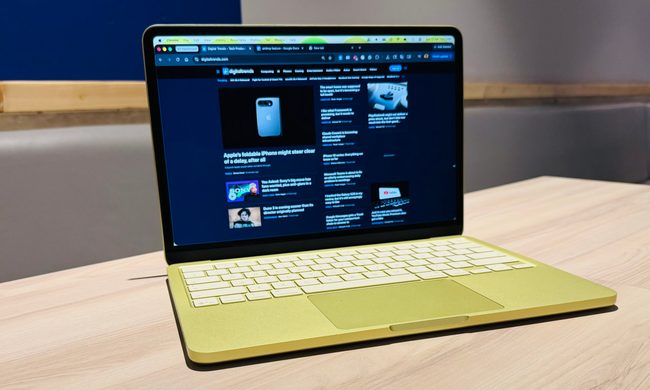
Windows Laptops became so expensive that MacBooks look sensible now
Computer, Electronics, Laptop

For a long time, the laptop buying advice was simple enough. Windows had a more versatile portfolio that brought you affordable, mid-range, high-end, and even gaming options, while MacBooks were known as the easy premium recommendation.

But owing to the pricing circus caused by memory shortages and component price hikes, the equation makes no sense anymore.

Read more
HP’s new RTX 5070 laptop feels like the sweet spot between thin and bulky
The new HyperX Omen 15 combines AMD and Intel and targets portability without fully sacrificing performance.
HP HyperX OMEN 15 Gaming Laptop

Modern gaming laptops have largely drifted toward two extremes lately: massive 16-inch and 18-inch desktop replacements, or ultra-compact 14-inch machines that still feel slightly cramped for serious gaming sessions. That’s exactly why HP’s new HyperX Omen 15 feels refreshing, because it brings back the familiar 15-inch gaming laptop formula with a chassis that still feels portable without sacrificing proper gaming hardware underneath.

HP’s compact HyperX Omen 15 packs RTX 5070 graphics with AMD and Intel options

Read more
Corsair is putting Chinese RAM in mainstream market. It won’t quite end the crisis though
A cheaper DDR5 supplier could shake up the market, but it is not a magic fix
Samsung DDR4 RAM in hand

After months of painfully expensive RAM and SSD prices, the memory market may finally be showing signs of pressure from an unexpected direction: China. New reports suggest that Chinese memory manufacturers are rapidly expanding production of DRAM and NAND chips, and that major hardware brands are starting to take notice. The most notable example so far is Corsair, which has reportedly tested DDR5 memory modules using chips from Chinese DRAM giant ChangXin Memory Technologies, better known as CXMT.

This feels inevitable. Memory prices have remained frustratingly high across PCs, laptops, and storage devices for months. So when Chinese suppliers began offering RAM at nearly half the cost of some global competitors, manufacturers were always going to at least explore the option. According to market reports, some CXMT DDR5 modules are reportedly being sold near the $150 range, while equivalent products from larger global suppliers can hover between $300 and $400.

Read more