
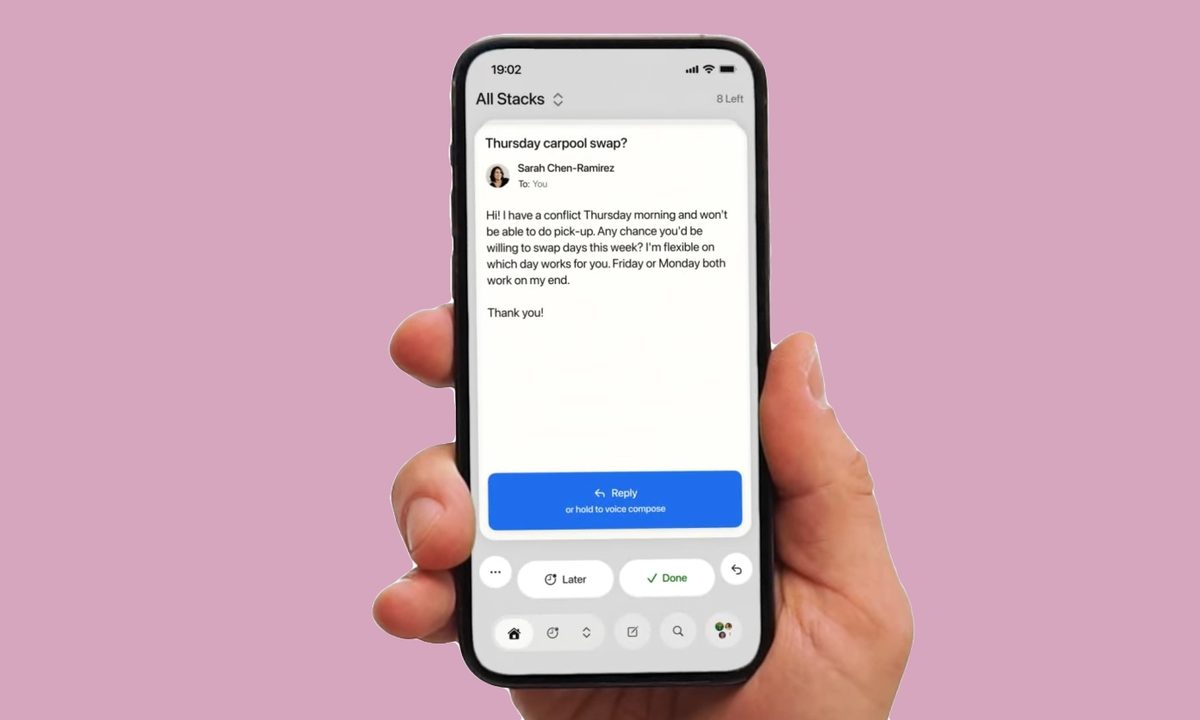
Writing an email is already one of the more lifeless parts of modern work, so of course the tech industry decided to automate it. AI was meant to ease workloads by managing “grunt” work—dealing repetitive junk, trimming down inbox overload, and giving people their time back. It really sounded like the right idea. But in reality, we are nowhere close to removing the misery of email.
The kind of email you’re already sick of seeing
AI lowers the effort required to produce corporate-sounding language. That means every “just following up,” every “circling back,” every “gentle reminder,” and every “happy to connect” becomes even easier to generate and even harder to escape.

A person who might have skipped sending a pointless email before can now ask AI to draft one in seconds. And the person replying might once have wrapped things up in two short sentences. Now there is always a cleaner, longer, more “professional” version waiting from a chatbot. The Guardian recently reported on worker frustration around AI-generated workplace output, including what some employees now call “workslop.”
AI just gave bad email habits some steroids
Email was never only about communication. It also became a way to signal responsiveness, usefulness, and motion. A fast reply, a full calendar, and a long thread make things look more productive, even when nobody actually needed any of it. AI slides neatly into this culture. It can answer faster, summarize faster, schedule faster, and keep the illusion of progress running all day.
Office email already rewards performance as much as usefulness. Now every half-formed thought can become a polished paragraph. Sentences can be improved, and low-value updates can be padded into something more formal, diplomatic, corporate, and even lifeless. Using AI does not make your communication any better. What you’re getting instead is just more of it. Your inbox has more messages, fillers, and new language designed to sound productive without necessarily being useful.
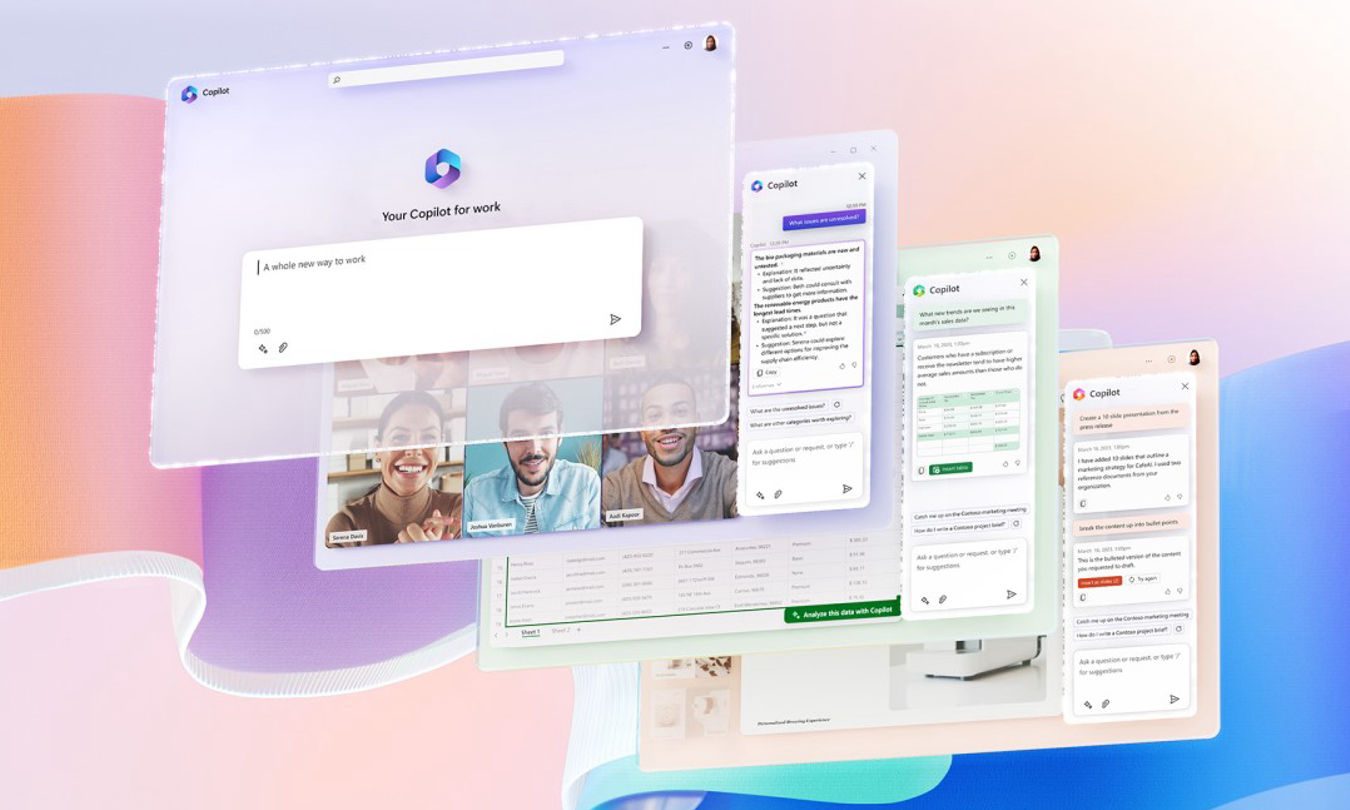
Things get worse when everyone starts doing it, compounding the issue. One person sends a slick AI-polished email. The reply comes back with its own AI-assisted phrasing. Someone added to the thread later uses AI to summarize the whole exchange before sending another response. And now you have a conversation that technically keeps moving, but feels less and less human with every pass.
So who’s talking to whom?
At that point, bots emailing bots does not sound like a joke anymore. Dedicated tools like AI email assistants and scheduling bots may be useful in isolation, but they are still part of the same problem. Tools like Read AI’s Ada can handle meeting logistics and participate in email threads, which makes the whole “AI talking to AI” scenario feel a lot less ridiculous now.
It started with people leaning on AI for one harmless email, which quickly steamrolled into the whole culture of email becoming even more bloated and more performative. We were supposed to get relief from one of the most draining parts of digital work. And now it feels like new technology is just keeping that machine running rather than getting rid of it.


