Project Catalyst is a big deal in Apple circles these days, and for good reason: It refers to Apple’s project to merge development for iOS and Mac apps, allowing you to use them interchangeably on all kinds of Apple devices.
At WWDC 2019, Apple officially revealed this as “Project Catalyst,” thought it was previously known as Project Marzipan. It’s a large undertaking that’s years away from being completed, but the seeds have been planted for a very different future for your Mac.
What is Apple’s Project Catalyst?

It’s Apple’s effort to make its apps universal across iOS and MacOS. In other words, it could make it far simpler for developers to translate their apps across iPhone, iPad or Mac. The app would naturally sync as you move between devices and share all the same information, so you can continue its use.
In the past, MacOS and iOS apps were developed with different tools and different goals. Catalyst seeks to converge development into a single effort — one method that will produce an app that can work on any Apple device without needing significant changes. That means part of Catalyst is providing third-party developers with a new Xcode development kit that will allow them to create these universal apps. Apple has explained that in some cases it will be as simple as developers ticking a checkbox in Xcode, with Apple’s app then making sure all the necessary steps are taken to ensure cross-platform compatibility.
What’s the point?
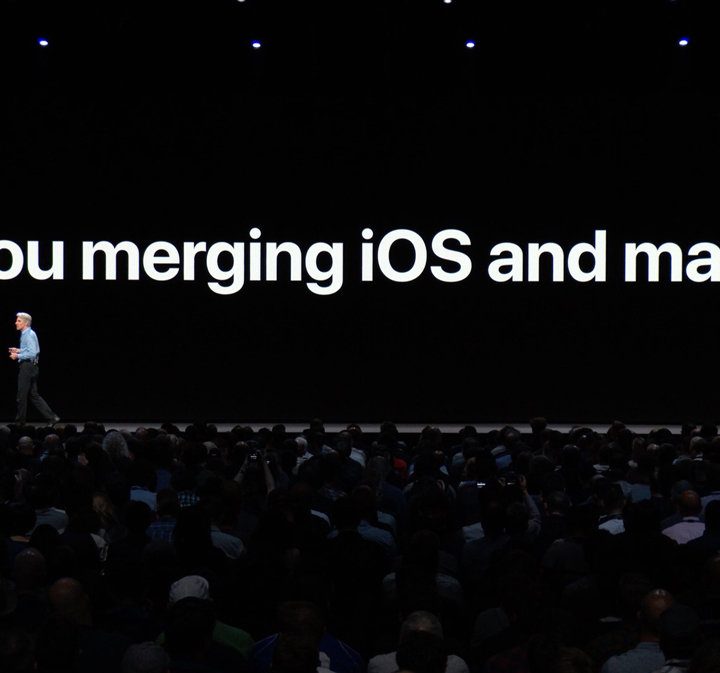
There are a variety of reasons Apple is working on this important project. First off, anything that makes life easier for Apple’s developers is good news for all parties. Developers don’t need to worry about coding the same app twice, thus saving them time and effort; Apple can make the prospect of developing for its platforms a more attractive prospect; and users potentially get apps and updates quicker. This is the main justification Apple has given for getting Project Catalyst underway.
That said, there are other benefits to the project. For one thing, it helps strengthen the integration within Apple’s ecosystem. A Mac app, for example, is much easier to pick up and learn if you already know how it works on iOS. No more situations where the same app works in confusingly different ways on different Apple platforms. And if apps are easy to use across Apple’s ecosystem, Apple certainly won’t be complaining.
What Apple has been very clear about, however, is that Project Catalyst does not presage the merging of iOS and MacOS. The two systems are inherently different, with different use cases and different purposes. Tim Cook has been very clear in his belief that amalgamating the two would just water down both systems, leading to unhappy compromises and below-par performance. Sorry, merger hopefuls — it ain’t happening.
So I’ll be able to use all my apps on MacOS or iOS?
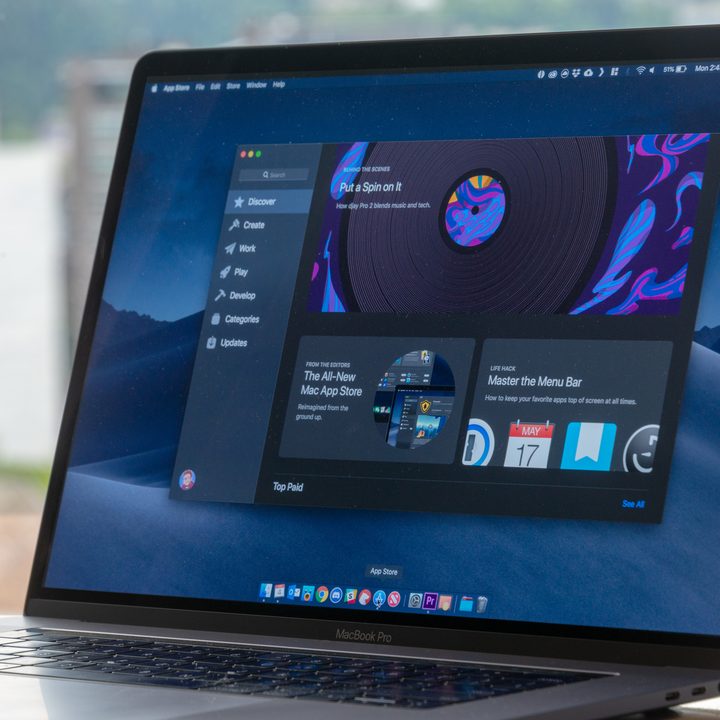
Not so fast! Catalyst is still a work in progress as Apple continues to provide the tools developers need to create or transition their apps. At the 2019 iteration of Apple’s annual developer conference, WWDC, the company released the Xcode SDK that developers will need to create universal apps. Once created, developers will still have to submit the app for consideration on both iOS and MacOS, although Apple intends to create a single universal submission process as well.
Fortunately for developers, the development kit shouldn’t be too difficult to adopt. Both iOS and MacOS use the same Unix code, use the Metal framework, and have other similarities that already give them plenty in common for development. Some developers found they could make give their apps universal features after just several hours of tinkering. But for most, using Catalyst’s new tools will take a little time to learn, even after they are released, and not all apps will be suitable candidates.
Are any apps currently universal?

Yes — Apple has made several of its iOS apps universal, as a sort of showcase for what Catalyst is supposed to accomplish. Those apps include News, Home, Stocks, and Voice Memos. The company added more apps, including Apple Music, Podcasts, and TV, when MacOS Catalina launched in late 2019.
However, keep in mind that the goal of Catalyst is to make apps on both operating systems universal, which means that Mac apps will also be able to cross over to iOS. It’s also worth mentioning that the reception of these apps was mixed: Users found the transitions to be clunky, especially when it came to Mac-based controls, showing that adapting previous versions of apps is far from a simple process. Apple is aware of the teething problems, and has set it’s working on improving the experience going forward.
A number of developers have indicated interest in using Catalyst to make their apps available universally. However, not many third parties have committed to this just yet. Expect this to start changing, now that WWDC 2019 has released the Catalyst SDK alongside MacOS Catalina. For example, social media companies like Twitter are already delivering interchangeable apps.
Why wouldn’t developers do this?

Catalyst has many advantages, but there are a couple reasons that developers may not be interested. First, iOS app development and submission are more tightly controlled by Apple — apps are only available for sale via the iOS store, whereas on Macs users can still buy apps from other sources. Developers who prefer the more lenient Mac sales options may not want to make the journey to iOS.
Second, as Apple itself discovered, making apps universal requires challenging interface changes. Apps need to be entirely controllable by touchscreens, but also friendly for mice and keyboards (and trackpads, and window resizing, and scroll bars, and drag/drop features… you get the idea). Including both at the same time can be a challenge for some developers, especially when updating older apps. If it takes too much work to do both, or if the results are unimpressive, developers may not bother.
The next couple of years are going to be very important for Catalyst adoption. Apple is expected to release updates for the Catalyst SDK through 2021, including growing compatibility for various apps. However, the company is also expected to make the development and submission process more efficient, until developers will be able to use one set of tools and make one submission for both iOS and MacOS.