  1. Home
  2. Emerging Tech
  3. News

Forget smartwatches, your clothes could soon track your health

Researchers built a shirt that monitors your blood pressure in real time

Add as a preferred source on Google
New smart fabric that can track your blood pressure being worn
Nature Electronics

Wearable tech might be heading for a reset. We’ve already seen less intrusive devices like smart rings take off, but researchers are now pushing things further by stitching health tracking directly into clothing.

Researchers at National University of Singapore have developed a new battery-free textile system that can monitor blood pressure in real time, potentially turning everyday clothing into a full-time health tracker. The system, detailed in a recent Nature Electronics paper and reported by Tech Xplore, removes one of the biggest limitations of wearable, which is the need to constantly recharging the gadgets.
How the smart fabric breaks the wearable mold

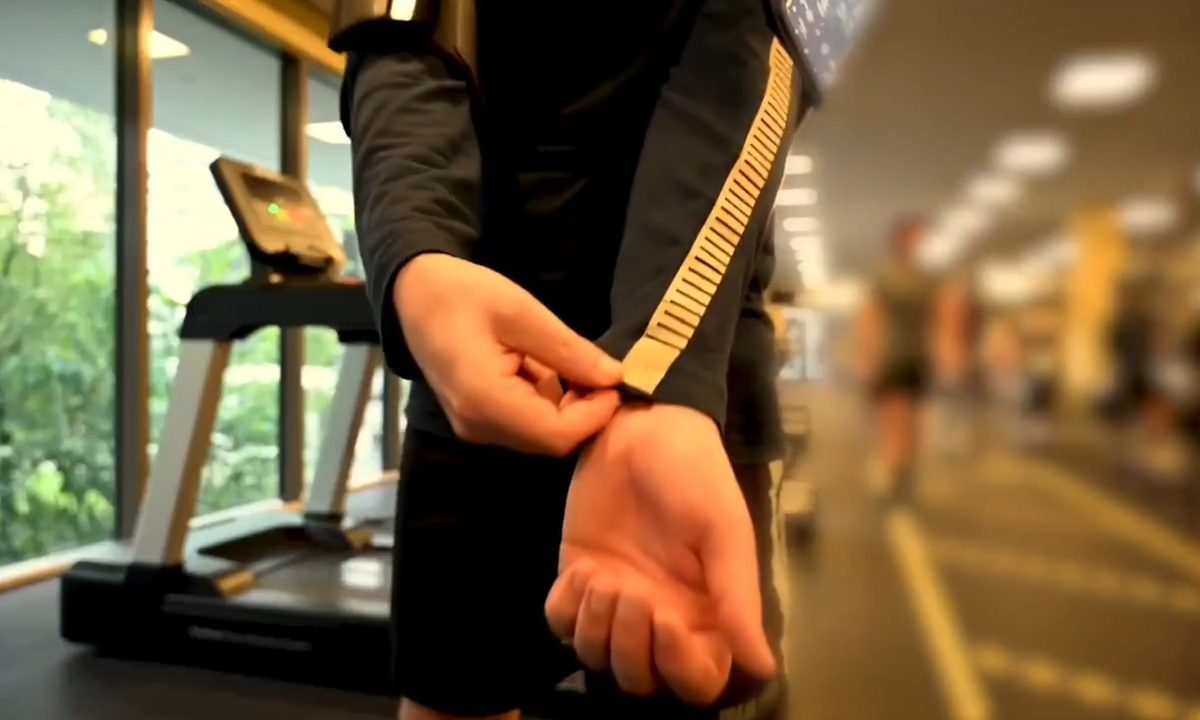
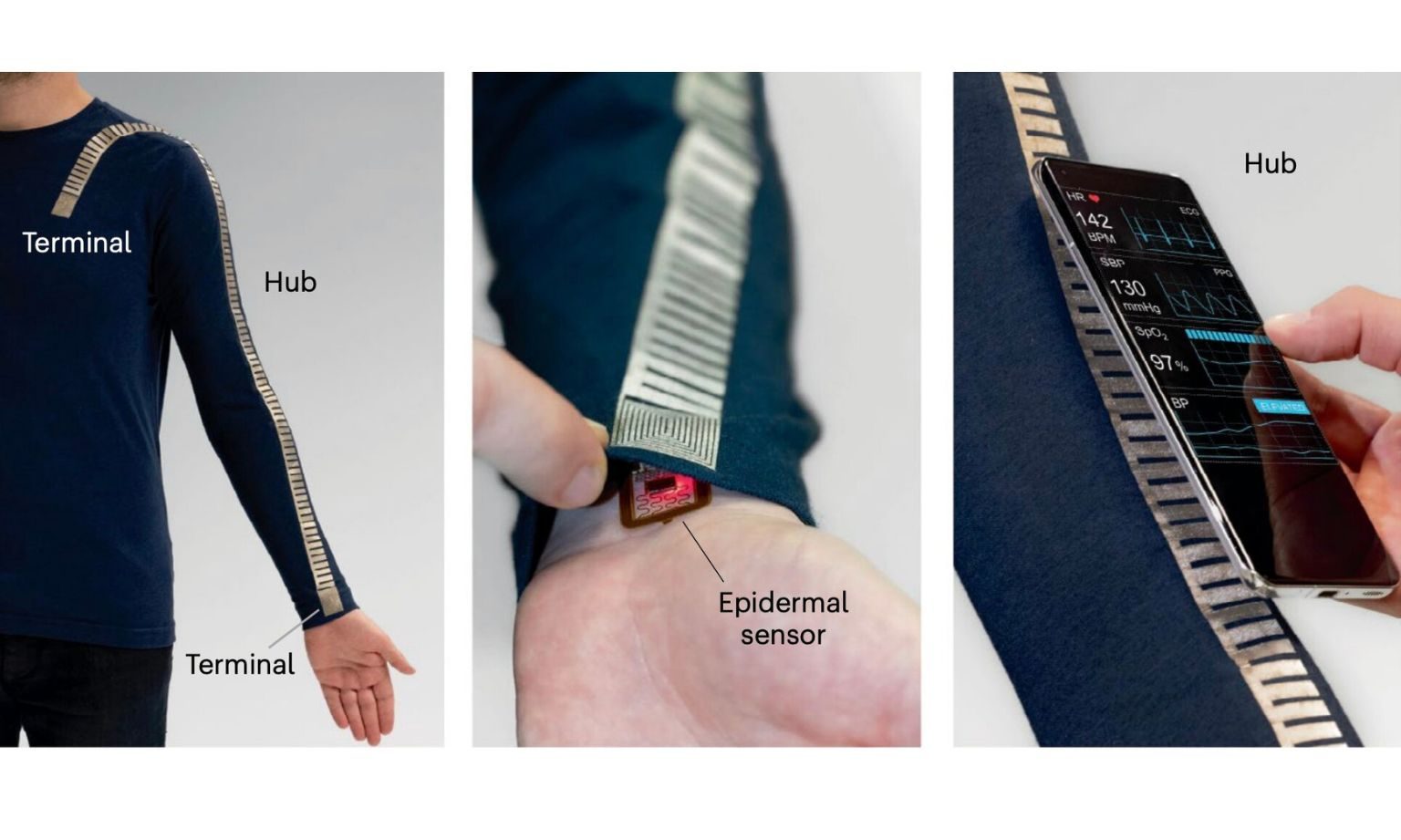
Rather than relying on a built-in battery, the smart fabric uses ultra-thin sensors that stick directly to the skin and connect through a specially designed fabric. A “metamaterial” is at the center of this system, which is a carefully engineered fabric that wirelessly transfers power from a nearby smartphones to the sensors.

Recommended Videos

The setup splits power delivery and data communication into separate frequency channels that can help avoid interference and keeps the signal stable. In simpler terms, your phone acts as both the power source and the data hub that actively collects health data. So you won’t have to deal with the hassle of charging multiple gadgets. Being one of the biggest annoyances

Real-time tracking, even during workouts
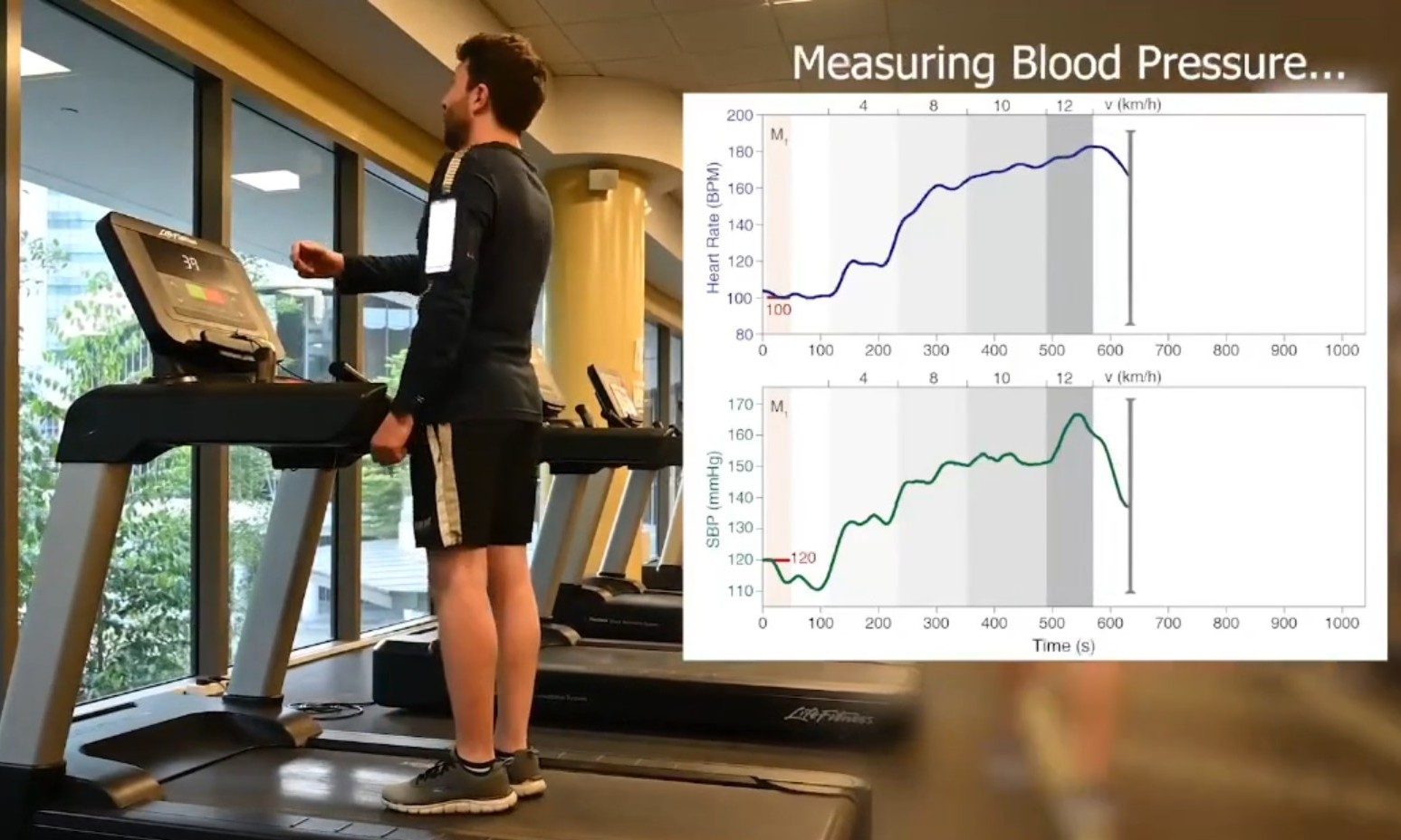
The system focuses on monitoring systolic blood pressure, which measures the force of blood flow during heartbeats. In early tests, it was able to track these readings accurately even while users were exercising. This is where many wearable sensors struggle. So the level of consistency can be useful for long-term health tracking or early detection of cardiovascular issues.

The sensors themselves are extremely thin and flexible, designed to sit directly on the skin without getting in the way of movement. The textile layer then connects multiple sensors into a network, allowing continuous data collection across the body.

Battery-free wearables have been explored before. Though this approach does bring everything together into something closer to real-world use. By embedding the system into fabric, the researchers are pushing toward clothing that works as a passive health monitor rather than a separate device you have to remember to wear.


Vikhyaat Vivek
Vikhyaat Vivek is a tech journalist and reviewer with seven years of experience covering consumer hardware, with a focus on…
Online payments are dimming the charm of one of America’s top tourist attractions
One of America's last analog tourist traditions just joined the cashless economy.
Photography, Binoculars, Camera

We all know those heavy, coin-operated binoculars perched on every scenic overlook in America, the ones you’ll find everywhere from the Empire State Building to the Grand Canyon. Turns out, they’ll soon start accepting tap-to-pay payments. 

This is great news, as you’ll no longer need to carry a quarter anymore, and making payments with your smartphone is much more convenient. However, I’d argue that the quarter was kind of the whole point.

Read more
The FBI secretly built an entire fake town just to practice cyberattacks
Hidden inside a warehouse in Alabama, the Kinetic Cyber Range recreates real-world digital attacks from start to finish.
FBI Kinetic Cyber Range Featured

While Hollywood has fake cities for filming movies, the FBI apparently has one for getting hacked. The agency has pulled back the curtain on its Kinetic Cyber Range, a 22,000-square-foot replica small town hidden inside its Huntsville, Alabama campus. But instead of training officers for shootouts or hostage rescues, the facility is designed to simulate realistic cyberattacks on homes, businesses, and critical infrastructure so investigators can practice responding to them in a controlled environment.

The FBI built an entire town just to simulate cybercrime

Read more
Brazil’s secret World Cup weapon taught the team when to ignore it
The data said he wasn't running enough. The footage said he was always in the “perfect tactical position.”
Soccer ball in net

Brazil has more World Cup titles than anyone, five of them to be precise, but after going through five straight tournaments without adding to that count, the team is leaning hard on data this time. 

Every player wears a sensor-packed "smart vest" tracking field position (via GPS), heart rate, and a stat called "player load," the same kind of numbers that your Whoop band or Apple Watch brags about, but tuned specifically for the sport.

Read more