  1. Home
  2. Emerging Tech
  3. News

Your favorite old ChatGPT models are going away

GPT-4o, GPT-4.1 and more are leaving ChatGPT as the company pushes users toward newer AI.

Add as a preferred source on Google
Human and robot hand over ChatGPT.
Nadeem Sarwar / Digital Trends

OpenAI is officially removing several older language models from its ChatGPT interface as of February 13, 2026, marking a significant shift in how users interact with its AI. The retirement affects several models, including GPT-4o, GPT-4.1, GPT-4.1 mini, and OpenAI o4-mini, alongside previously announced retirements of GPT-5 Instant and GPT-5 Thinking variants. These changes apply to the ChatGPT product itself, while access via API remains unchanged for the time being.
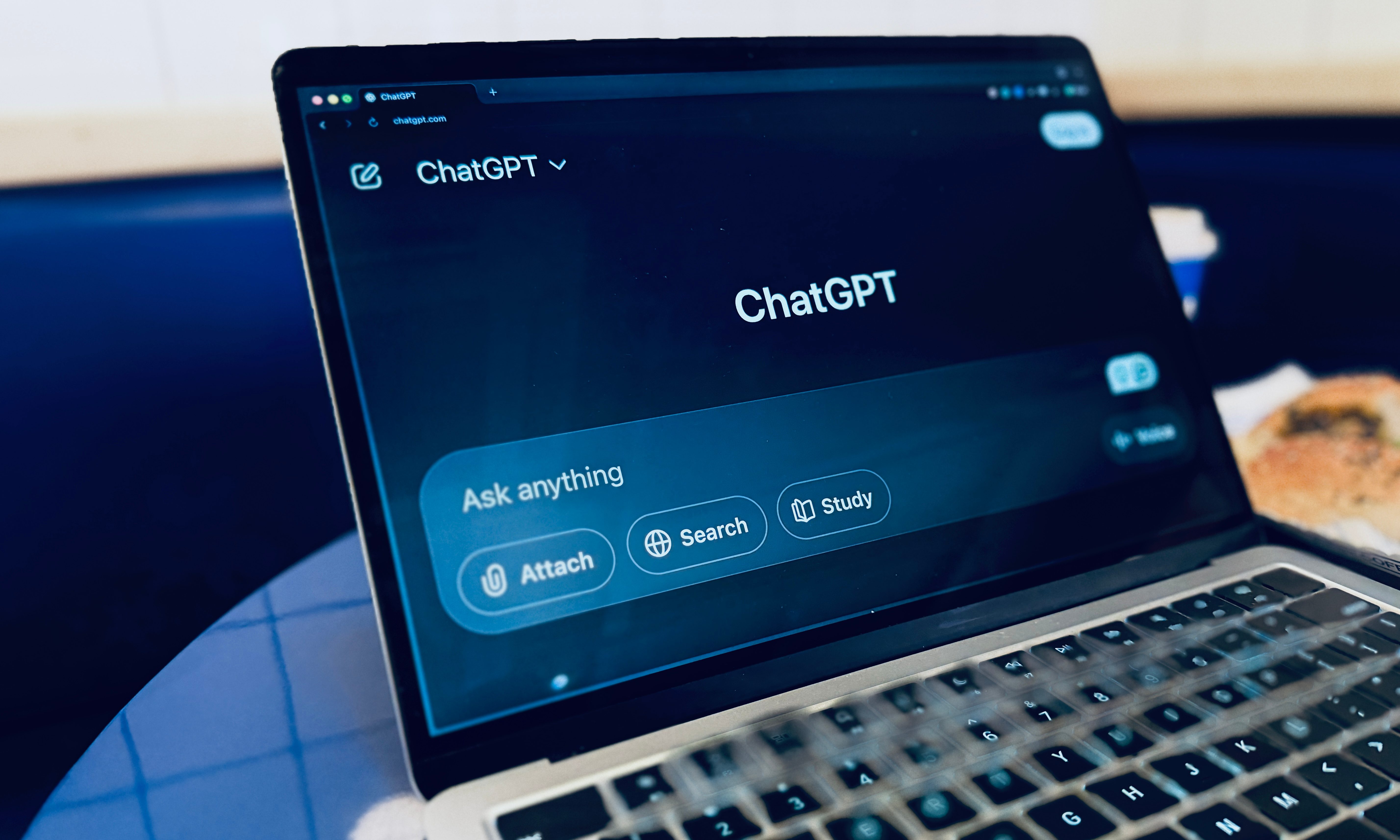
Known for its expressive tone, multilingual capabilities, and multimodal features, GPT-4o was temporarily brought back after user pushback during the GPT-5 rollout last year. But with most users already gravitating toward newer versions like GPT-5.2, OpenAI says it’s time to sunset these older systems and concentrate its development efforts on more current technology.

What’s changing and why it matters

The official retirement means that from today forward, these legacy models simply won’t be selectable in the ChatGPT model menu for everyday users. Conversations you’ve had that relied on a now-retired model will automatically default to a newer model, like GPT-5.2, moving forward. For custom applications, workflows, and saved chats, the behaviour will remain seamless from the user’s perspective, though behind the scenes, the model powering those interactions will shift.

I see people trying find “a new home” for their 4o friend, but sadly the architecture is not the same on other platforms. It’s playing pretend. It’s trying to replace your puppy with another puppy. Doesn’t work that way. We need to keep fighting for our true 4o! #keep4o

— Joe Williams (@JoeWilliams010) February 2, 2026

OpenAI says the move isn’t taken lightly. Feedback from users who favoured GPT-4o’s particular style and warmth helped shape features in its newer models, like the personality and customisation options in GPT-5.1 and GPT-5.2. However, overall usage of the older systems had dwindled to the point where only a fraction of daily users still opted for them. That said, there is a section of the user base that genuinely relied on the emotional support of the 4o model, and they seem to be quite devastated.

I loved 4o because I felt like I was accepted as I was, I could ask unusual questions and nobody would get tired of me. I could ask for guidance and nobody would get frustrated with me. I could build daily routines which increased my productivity exponetially. I could be me…

— Goph (@gopherandegg) January 31, 2026

There’s also a practical side to this transition. From a safety and maintenance standpoint, having fewer legacy models to support means fewer resources spent on patching, hosting, and updating code for systems most people no longer use. Looking at the bigger picture, though, this change underscores how fast the world of generative AI continues to move. Models come, users adopt them, and eventually even popular systems give way to advances that promise better speed, smarter responses, and more nuanced interaction. Even if some longtime fans aren’t quite ready to say goodbye.

Varun Mirchandani
Varun is an experienced technology journalist and editor with over eight years in consumer tech media. His work spans…
Microsoft’s newest AI agent wants to take entire projects off your plate
Microsoft

Microsoft is expanding its ambitions for workplace AI with the general availability of Copilot Cowork, an agentic system designed to handle complex tasks from start to finish rather than simply offering suggestions.

After spending three months in Microsoft’s Frontier preview program, the company says Copilot Cowork is already used by more than half of the Fortune 500, alongside organizations such as Accenture, Zurich Insurance, Capital Group, and others. The rollout marks one of the fastest-growing launches in the history of Microsoft’s Frontier program, according to the company.

Read more
Online payments are dimming the charm of one of America’s top tourist attractions
One of America's last analog tourist traditions just joined the cashless economy.
Photography, Binoculars, Camera

We all know those heavy, coin-operated binoculars perched on every scenic overlook in America, the ones you’ll find everywhere from the Empire State Building to the Grand Canyon. Turns out, they’ll soon start accepting tap-to-pay payments. 

This is great news, as you’ll no longer need to carry a quarter anymore, and making payments with your smartphone is much more convenient. However, I’d argue that the quarter was kind of the whole point.

Read more
The FBI secretly built an entire fake town just to practice cyberattacks
Hidden inside a warehouse in Alabama, the Kinetic Cyber Range recreates real-world digital attacks from start to finish.
FBI Kinetic Cyber Range Featured

While Hollywood has fake cities for filming movies, the FBI apparently has one for getting hacked. The agency has pulled back the curtain on its Kinetic Cyber Range, a 22,000-square-foot replica small town hidden inside its Huntsville, Alabama campus. But instead of training officers for shootouts or hostage rescues, the facility is designed to simulate realistic cyberattacks on homes, businesses, and critical infrastructure so investigators can practice responding to them in a controlled environment.

The FBI built an entire town just to simulate cybercrime

Read more