  1. Home
  2. Emerging Tech
  3. Mobile
  4. Legacy Archives

HP Completes Palm Takeover, Promises webOS Products

Add as a preferred source on Google
Image used with permission by copyright holder

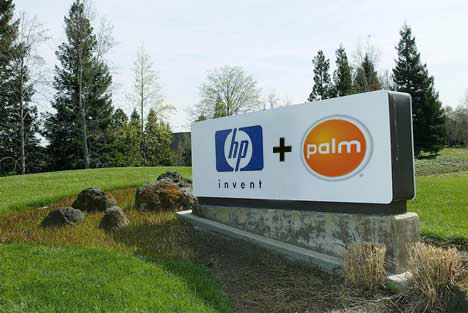
Hewlett-Packard—which is currently the world’s top PC maker—has announced that it has completed its $1.2 billion acquisition of Palm, meaning the smartphone maker is now part of one of the largest technology companies on the planet. Now that the takeover is complete, former Palm CEO Jon Rubinstein will head up HP’s Palm business unit and report to HP’s Personal Systems Group executive VP Todd Bradley, and be responsible for developing both the webOS software but also webOS-based hardware products, including smartphones but also netbooks and “slate PCs.”

“With HP’s full backing and global strengths, I’m confident that webOS will be able to reach its full potential,” Rubinstein said in a statement. “This agreement will accelerate the development of this incredible platform with new resources, scale and support from a world-respected brand.”

Recommended Videos

HP has said it plans to increase the $190 million Palm spends on research and development each year in order to leverage Palm’s webOS into other platforms. HP CEO Mark Hurd said in an investors’ conference call in May that the company is also looking at webOS for HP’s Web-connected printers that enable users to print important items—like maps and tickets—from smartphones and other Internet-connected mobile devices without needing a PC.

HP has not announced any specific webOS products or any timeframe for bringing webOS products to market. Back in January, Microsoft’s Steve Ballmer famously demonstrated the HP Slate—a tablet-based PC running Windows 7—at the Consumer Electronics Show in Las Vegas, in a move to establish the the Windows ecosystem had an answer to the Apple iPad. HP has since released promotional materials about the HP Slate, but the product has not shipped and reports have the company dropping Windows 7 from the product.

Geoff Duncan
Former Contributor
Geoff Duncan writes, programs, edits, plays music, and delights in making software misbehave. He's probably the only member…
This jacket pulls drinking water straight from the air
Engineers at UT Austin have developed a wearable textile that harvests ambient moisture into drinkable water.
Image showing person wearing a jacket with special fiber that pulls water from air

Engineers at the University of Texas at Austin have built a jacket that pulls drinkable water directly from the air, offering a potential solution for hikers, soldiers, agricultural workers, and emergency responders who operate far from reliable water sources.

How the jacket collects water

Read more
Google built an AI that can see football plays before they happen
DeepMind’s latest research predicts player movement up to eight seconds into the future
Google Deepmind TacticAI Featured

Football managers spend countless hours analyzing corners, free kicks, and player positioning in search of tiny competitive advantages. Google DeepMind believes artificial intelligence can make that process significantly faster, and its latest project, TacticAI, is designed to do exactly that. TacticAI is a football-specific AI assistant capable of modeling player movement, forecasting future play dynamics, and even recommending tactical adjustments for corner kicks. One of its standout abilities is predicting player trajectories up to eight seconds into the future using only broadcast-style visual data.

TacticAI was built with Liverpool FC and validated by football experts

Read more
Radical new coffee-making method uses sound, skips hot water and reduces energy bills
UNSW reserachers brewed espresso with room-temperature water and ultrasonic sound waves, cutting energy use by 75% in blind tests that fooled 100 regular drinkers.
Person brewing espresso in a lab with a modified ultrasonic espresso machine

Researchers at UNSW Sydney have figured out how to brew espresso-strength coffee without heating any water. The method replaces hot water and high pressure with ultrasonic sound waves, and in blind taste tests involving 100 regular coffee drinkers, participants could not tell the two apart.

How it works

Read more