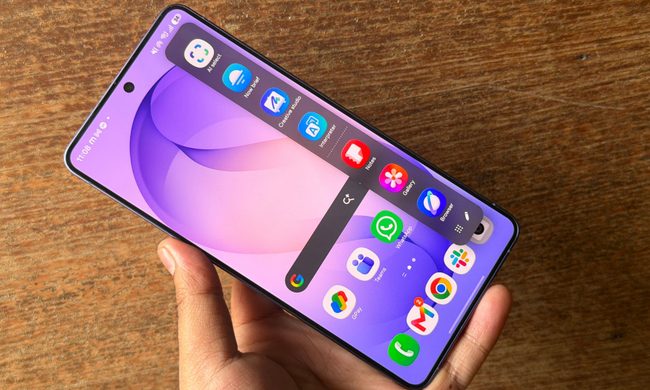
Samsung’s Galaxy S26 series is, and sitting atop the lineup is the all-new Galaxy S26 Ultra. It won’t make you gasp with excitement or throw your current phone out the window, but it will make you appreciate how Samsung has tightened every bolt it could find, while the asking price of $1,299 remains the same as its predecessor.
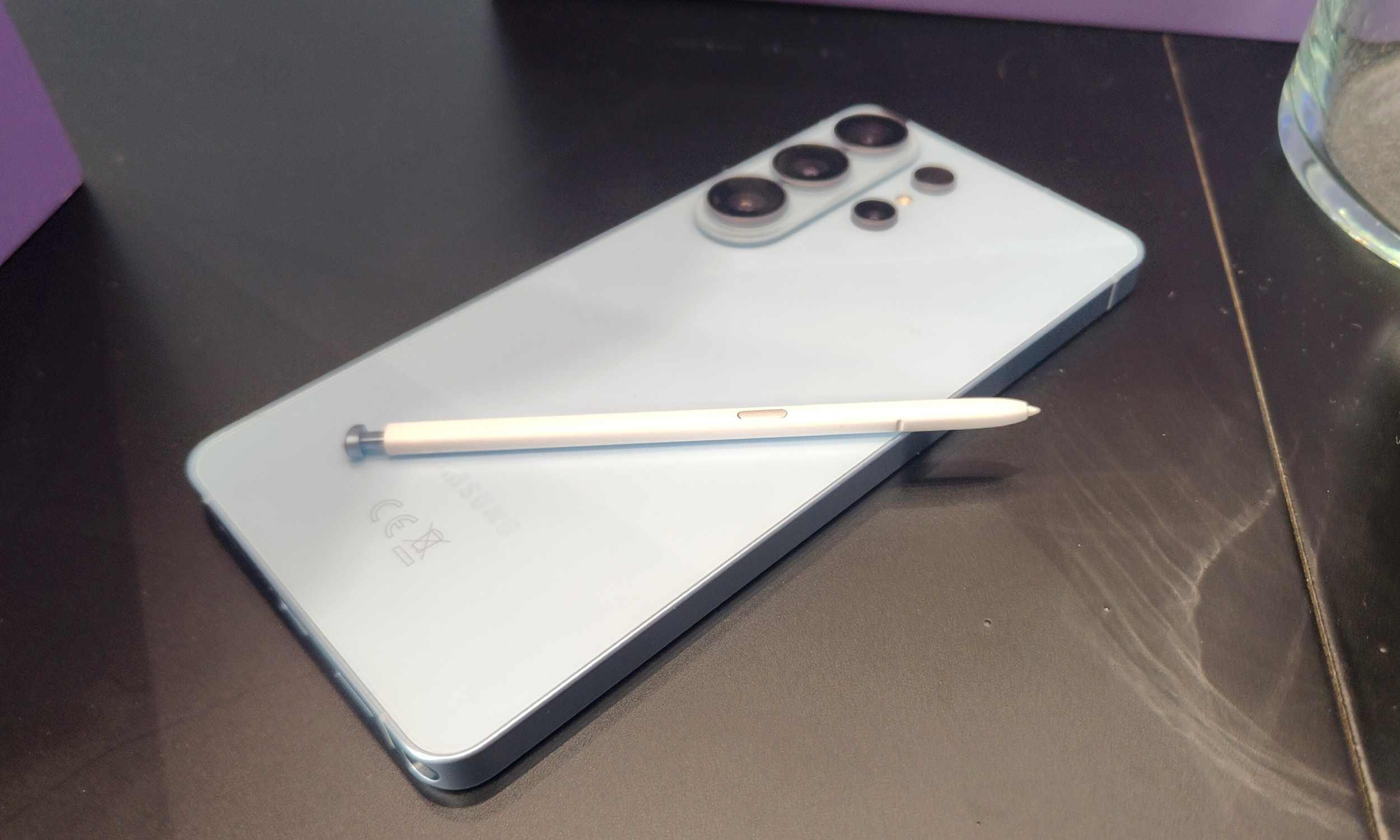
First up, the Galaxy S26 Ultra has a 7.9 mm side profile, making it even thinner than the 8.2 mm Galaxy S25 Ultra (not to mention it’s four grams lighter). The relatively rounder chassis houses a familiar 6.9-inch QHD+ Dynamic AMOLED 2x panel that supports the same 120Hz refresh rate.

Slimmer design, same display — but a new privacy trick
What’s new, however, is the built-in Privacy Display, which offers pixel-level light dispersion control for limiting side-angle visibility on demand.
The feature works in both portrait and landscape, fires up automatically when you’re entering sensitive information (such as passwords, OTPs, or pins), and doesn’t degrade the viewing angles when disabled.
Under the hood sits a custom Snapdragon 8 Elite Gen 5 (3nm) with two 4.74 GHz prime cores and an Adreno 840 GPU. The chipset offers a 19% CPU boost, a 25% GPU improvement, and a 39% NPU jump over the Galax S25 Ultra.
Snapdragon power boost fuels a smarter Galaxy AI
The last figures matter the most, because Samsung is leaning hard into the third generation of Galaxy AI, which offers features like Now Nudge, which is a fancy term for context-aware suggestions, improved Now Brief, which is more proactive and personalized than before, and upgraded Circle to Search, which can recognize multiple objects at once.
Thanks to Perplexity AI integration, Samsung’s Bixby is now more conversational and functions as a true device agent. And yes, you can select your AI agent of choice, between Google’s Gemini AI and Perplexity AI assistant, for voice interactions or handling multi-step commands.
Out of the box, the Galaxy S26 Ultra runs One UI 8.5, based on Android 16.
Camera tweaks focus on brighter low-light and pro video
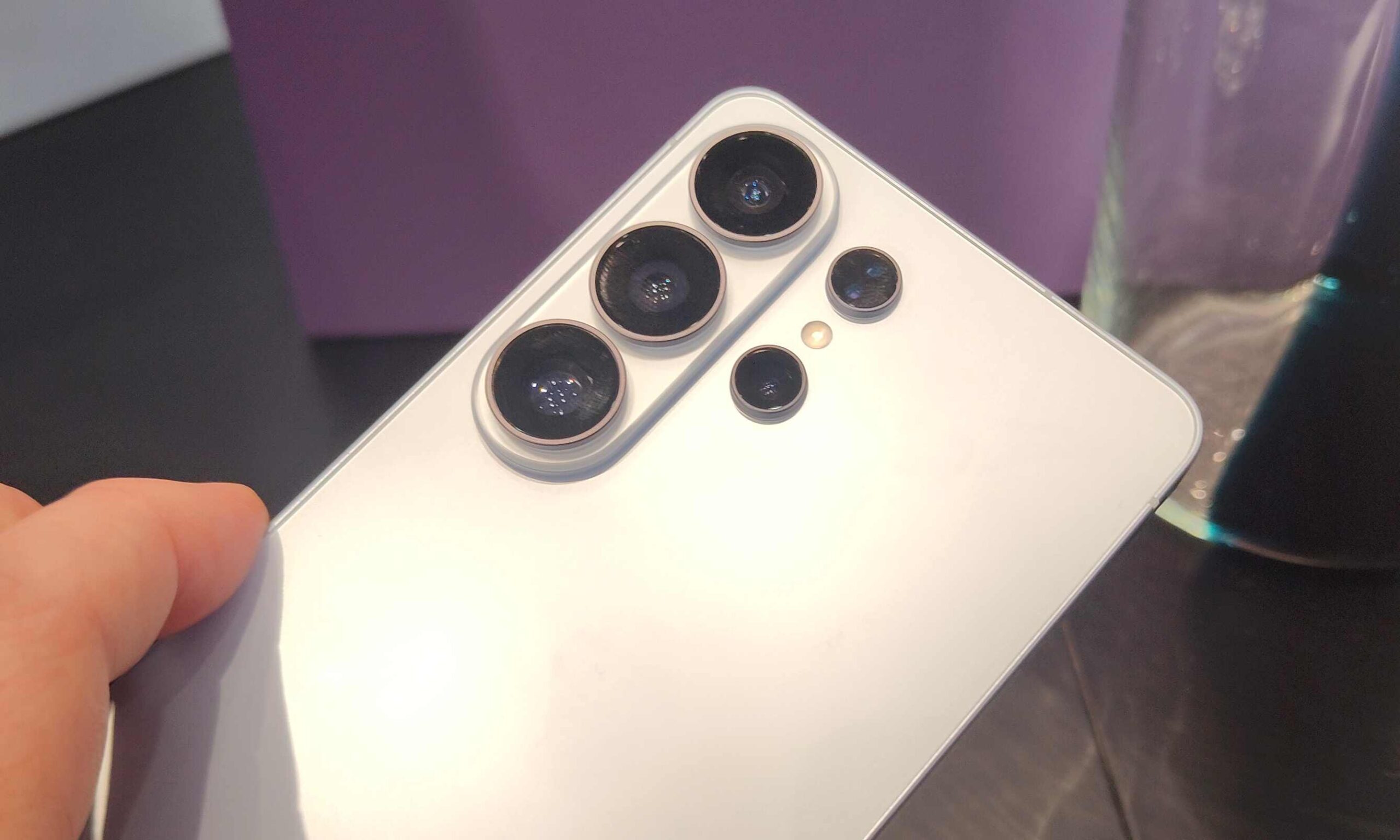
The camera system also gets minor tweaks. The 200MP primary camera, for instance, now has a wider F1.4 aperture (F1.9) which allows 47% more light. The 50MP telephoto camera also gets a larger aperture (F2.9), which lets in 37% more light.
The sensor size, however, remains the same for both the primary and the 5x telephoto camera. Other cameras, such as the 10MP (f/2.4) for 3x optical zoom and the 50MP (f/1.9), remain exactly the same as the predecessor, and so does the 12MP (f/2.2) selfie shooter.
The phone can still record 8K videos at 30 fps, 4K videos at 120 fps, capture RAW pictures, and log videos.

Familiar battery, faster charging, modern connectivity
Certain software-based tweaks include enhanced Nightography Video, upgraded Super Steady mode with a new horizontal lock option, and a new APV codec, which offers professional-grade compression and virtually lossless video.
The Galaxy S26 Ultra also features a 5,000 mAh battery (same as the Galaxy S25 Ultra, same as the Galaxy S24 Ultra from the year before), which now charges up to 75% in just 30 minutes via Super Fast Charging 3.0 with a 60W adapter.
Connectivity options on the smartphone include 5G, LTE, Wi-Fi 7, Bluetooth v6.0, and a USB Type-C 3.2.
The S26 Ultra starts at $1,300 for 256GB, steps up to $1,500 for 512GB, and hits $1,800 if you want the full 1TB. Pre-orders are live now, with the phone hitting shelves on March 11, 2026.