The launch of the James Webb Space Telescope has been delayed by seven months due to the impact of the ongoing coronavirus pandemic, along with some technical issues.
Scheduled for launch in March 2021 after missing a November 2020 target due to technical challenges, the space agency now says it’s aiming to begin the mission on October 31, 2021.
Those who have been following preparations for the launch won’t be too surprised by the development, as NASA briefly suspended work on the project in March 2020 due to the pandemic. Since then, Webb’s California-based team has been gradually returning to work, and is currently operating at close to normal levels.
Due to impacts of coronavirus and technical challenges, we are now targeting Oct. 31, 2021, for the launch of our @NASAWebb Space Telescope from French Guiana. Once deployed, it will help solve mysteries in our solar system: https://t.co/wrnkFIVefv pic.twitter.com/T60EoawzEH
— NASA (@NASA) July 16, 2020
“The factors contributing to the decision to move the launch date include the impacts of augmented safety precautions, reduced on-site personnel, disruption to shift work, and other technical challenges,” NASA said on its website.
The space agency added that testing of the observatory is going well at Northrop Grumman, the mission’s main industry partner, in Redondo Beach, California, despite the challenges presented by the ongoing pandemic.
“Based on current projections, the program expects to complete the remaining work within the new schedule without requiring additional funds,” said Gregory Robinson, the NASA Webb program director. “Although efficiency has been affected and there are challenges ahead, we have retired significant risk through the achievements and good schedule performance over the past year. After resuming full operations to prepare for upcoming final observatory system-level environmental testing this summer, major progress continues towards preparing this highly complex observatory for launch.”
If all goes to plan, the Webb space telescope — the result of international cooperation between NASA, ESA (European Space Agency) and the Canadian Space Agency — will be will folded “origami-style” for shipment to the launch site 3,800 miles south-east in French Guiana. There it will be fitted inside Arianespace’s Ariane 5 launch vehicle fairing before being placed atop the rocket ahead of liftoff in October next year.
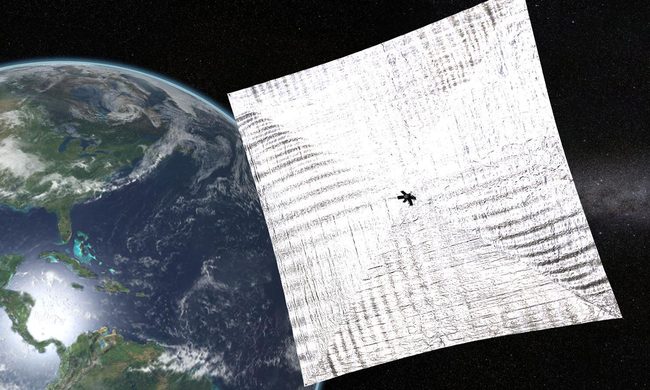
Once in orbit around a million miles from Earth, the telescope’s delicate five-layered sunshield will gently unfold into the size of a tennis court before deploying its 6.5-meter primary mirror that’s designed to detect the faint light of faraway stars and galaxies.
NASA describes the Webb space telescope as its “next great space science observatory” that will help researchers to solve the mysteries of our solar system by examining “distant worlds around other stars, and probing the mystifying structures and origins of our universe.”