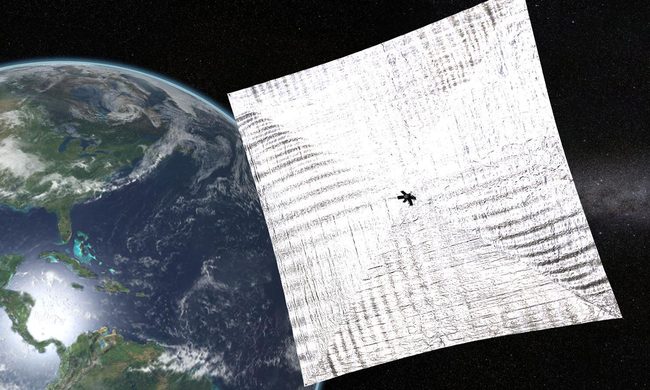
Space operations are extremely sophisticated and expensive undertakings. There are so many things that can go wrong, especially when it comes to on-ground missions on extra-terrestrial bodies such as the Moon and nearby planets, conducted through remotely-operated robots and vehicles. An event as minor as a rover getting stuck can dramatically impact the mission objective or even abandonment.
In 2005, the wheels of NASA’s Mars Exploration Rover Opportunity were stuck in sand, and it took six weeks of inch-by-inch maneuvering by experts at the agency’s Jet Propulsion Laboratory to free it. Just a few weeks ago, the Perseverance rover also struggled with a stuck drill bit, but the situation was fortunately resolved.
But not every story has a happy ending. In 2009, the Spirit rover found itself on a slope in a rather peculiar situation, and could never be recovered. With the Martian winter further complicating the rescue efforts, the Spirit mission was officially abandoned two years later. Such accidents could soon become a thing of the past.
A major breakthrough
Engineers at the University of Wisconsin–Madison have spotted a flaw in the testing protocols of these rovers on Earth, which often gives an overly optimistic view of their exploration capabilities. Rovers are often tested in desert-like areas, which simulate the dry conditions on the Moon and Mars, accounting for the reduced gravity on these bodies.
But as per the research team at UW-Madison, the tests often ignore the impact of gravity exerted on the sand particles, which means the simulation tests are not nearly as accurate (read: realistic) as they should be. “An important element in preparing for these missions is an accurate understanding of how a rover will traverse extraterrestrial surfaces in low gravity to prevent it from getting stuck in soft terrain or rocky areas,” the team explains.
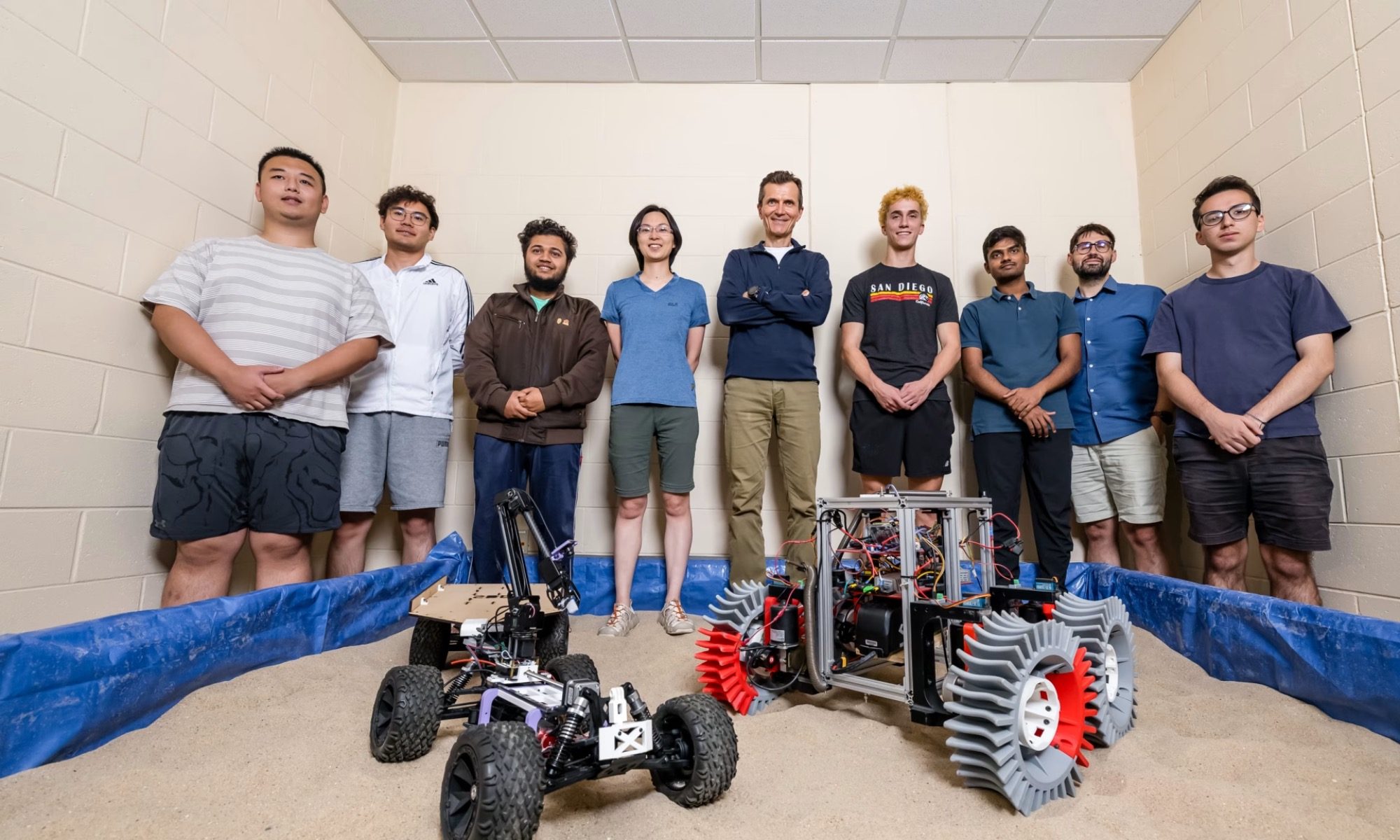
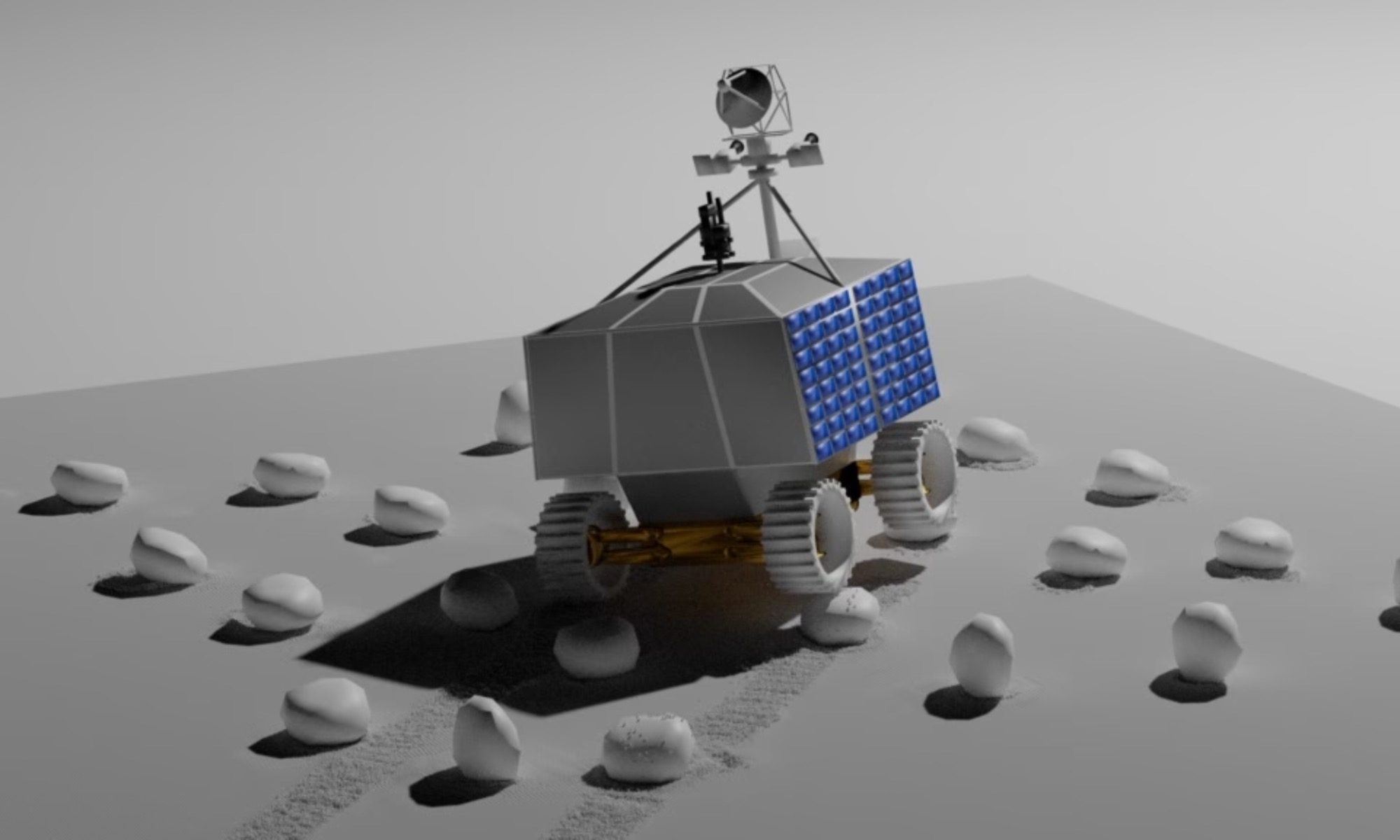
Notably, it’s the same team that is working on simulation modeling for NASA’s VIPER rover. The Volatiles Investigating Polar Exploration Rover, or VIPER, mission was supposed to look for water and other useful resources on the harsher side of the Moon, but the project was terminated in 2024.
The team relied on an open-source simulation software called Chrono to discover the discrepancy in the Earth-based rover testing protocols. It’s the same software that is also used for estimating the off-roading capabilities of US Army vehicles. The team has detailed its findings in a paper published in the Journal of Field Robotics.
The road to safer rover missions
The team at UW-Madison, however, continued its work on rover tech for space missions. Elaborating on the phenomenon, the team notes that Earth’s gravity creates a stronger pull on the sand particles than what the same particles would feel on the Moon, or Mars.
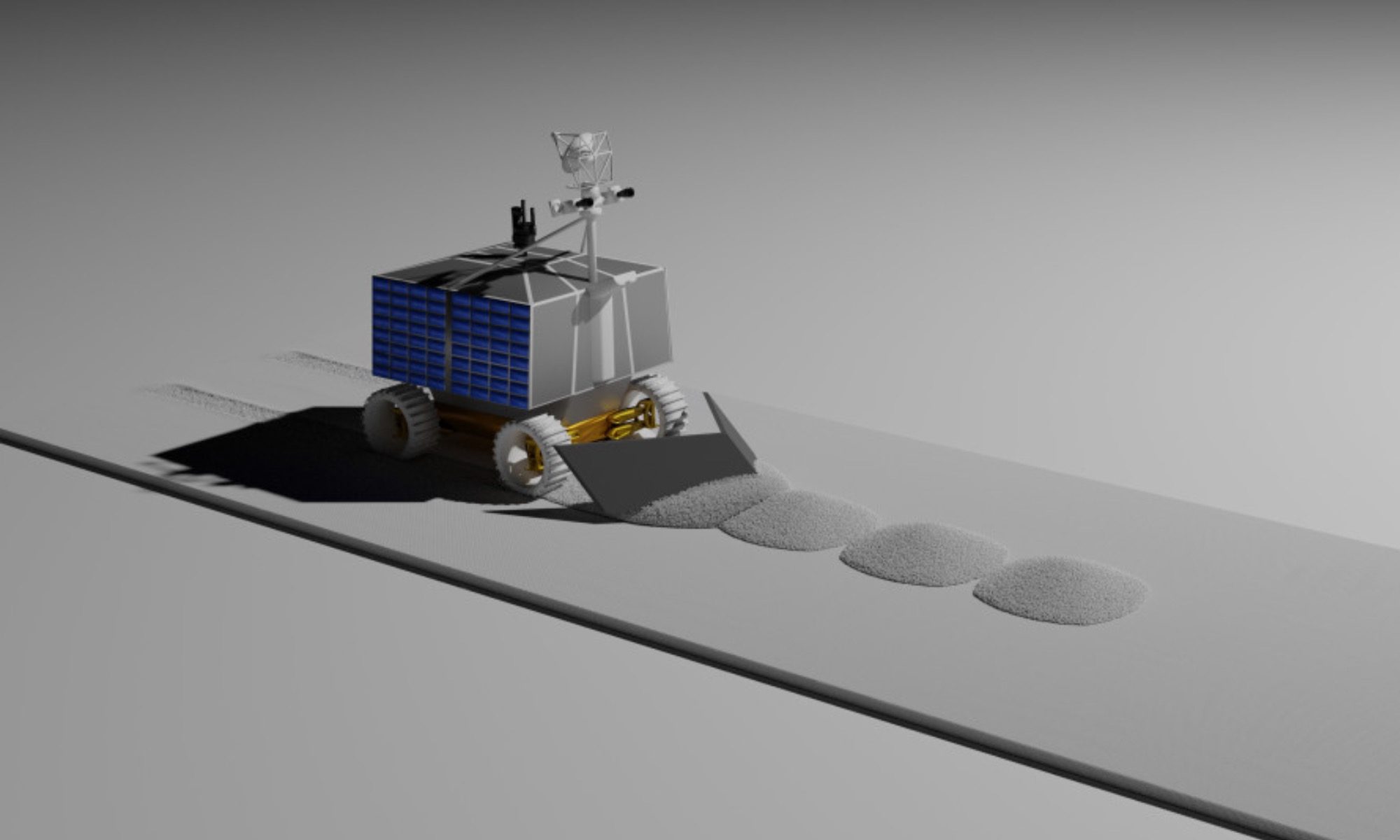
Additionally, the sand on Earth is said to be more rigid, while the top surface on the Moon is softer, which means it will shift more dramatically under the rover’s wheels, and as a result, reduces the traction.
Interestingly, the software that enabled the aforementioned discovery, is used across diverse industries. Aside from educational institutions, some of its more notable users include the U.S. Army Ground Vehicle Systems Center, NASA’s Jet Propulsion Lab, the U.S. Army Engineer Research and Development Center, and the National Renewable Energy Lab.
It was also used by the experts at the Politecnico di Milano in Italy for the Mascot lander for its asteroid Ryugu mission. In addition to vehicle simulations and advanced robots, Project Chrono has even been deployed for “miniaturized mechanisms for watches.”